Secondary Science
26th June 2026
Year 7 Science: Practical Skills, Chemical Ideas and Earth Physics
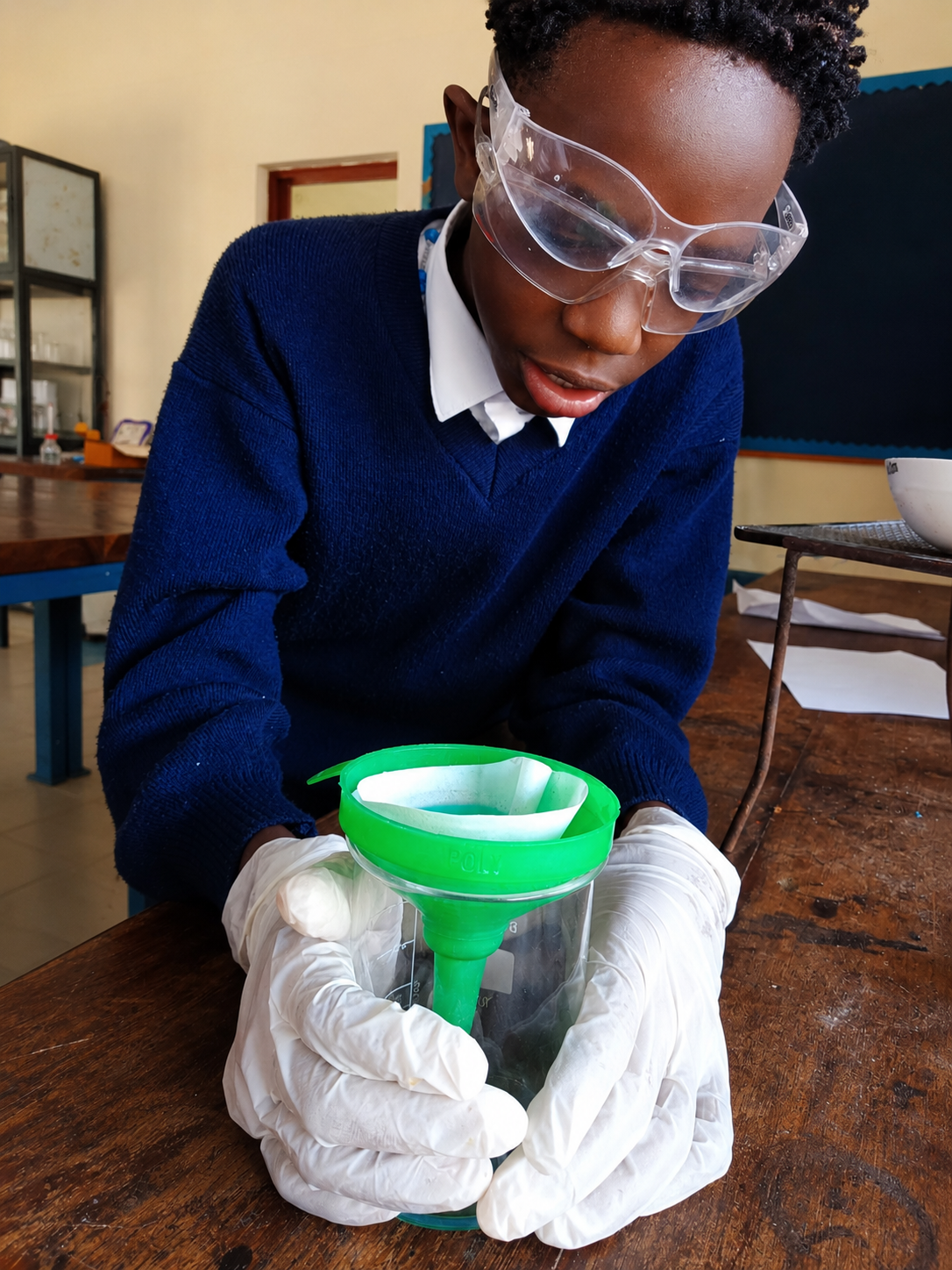
Year 7 students have been developing practical science skills by choosing separation methods based on differences in physical properties. They explored how filtration separates an insoluble solid from a liquid, how evaporation can recover a dissolved solid, and how simple distillation can collect a pure liquid. Learners also looked at chromatography as a method for separating colours and identifying mixtures, helping them see how evidence can be collected in a scientific way. Alongside this, they recognised acids and alkalis as chemical opposites and practised working safely with indicators and laboratory equipment. Their Earth physics work has also helped them connect classroom learning to wider questions about our planet and the physical world.
Year 8 Science: Desert Ecosystems and Invasive Species
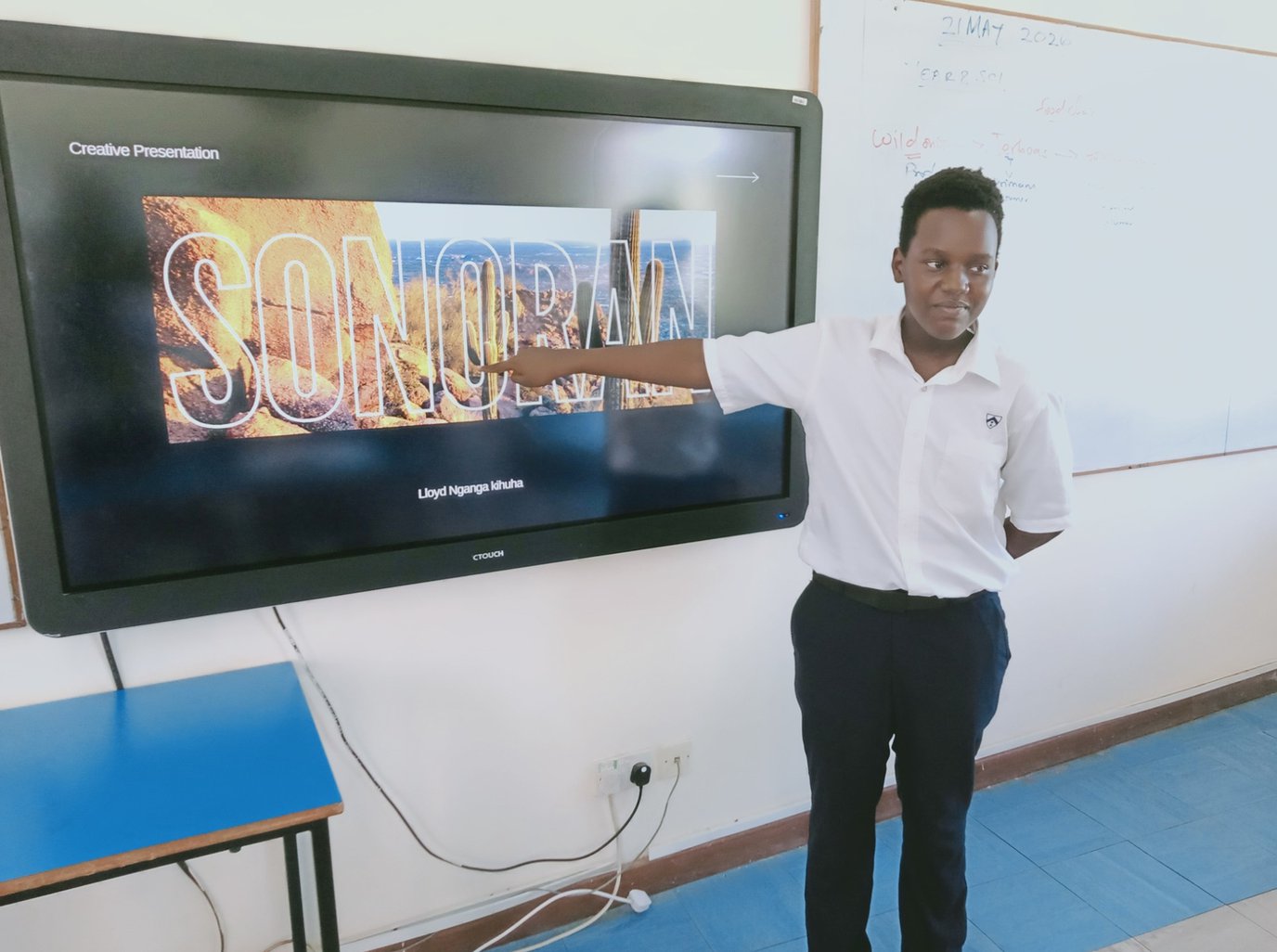
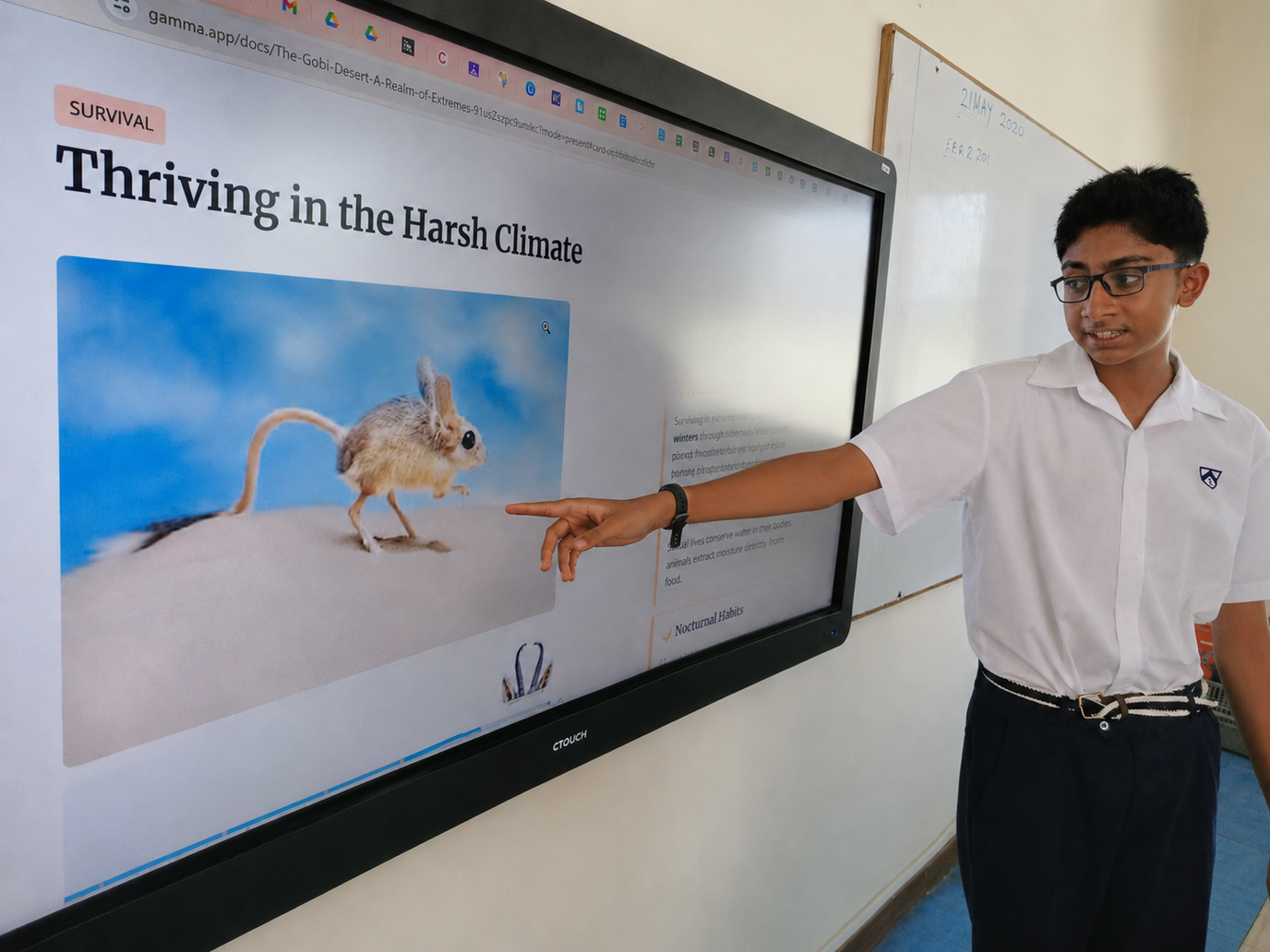
Year 8 students have been investigating ecosystems through desert case studies and research-based presentations. Learners explored different deserts around the world, the life found in these challenging environments, and the adaptations that help plants and animals survive. They analysed biotic and abiotic factors, cause-and-effect links within food webs and habitats, and how ecosystem balance can change when conditions are disturbed. The class also studied introduced and invasive species, learning that introduced species are not always invasive, but invasive species can cause major disruption through competition, habitat change and food-web imbalance. Their work encouraged thoughtful discussion about evidence, environmental impact and possible responses to ecosystem disruption.
Year 9 Biology: Cells, Microscopy and Classification
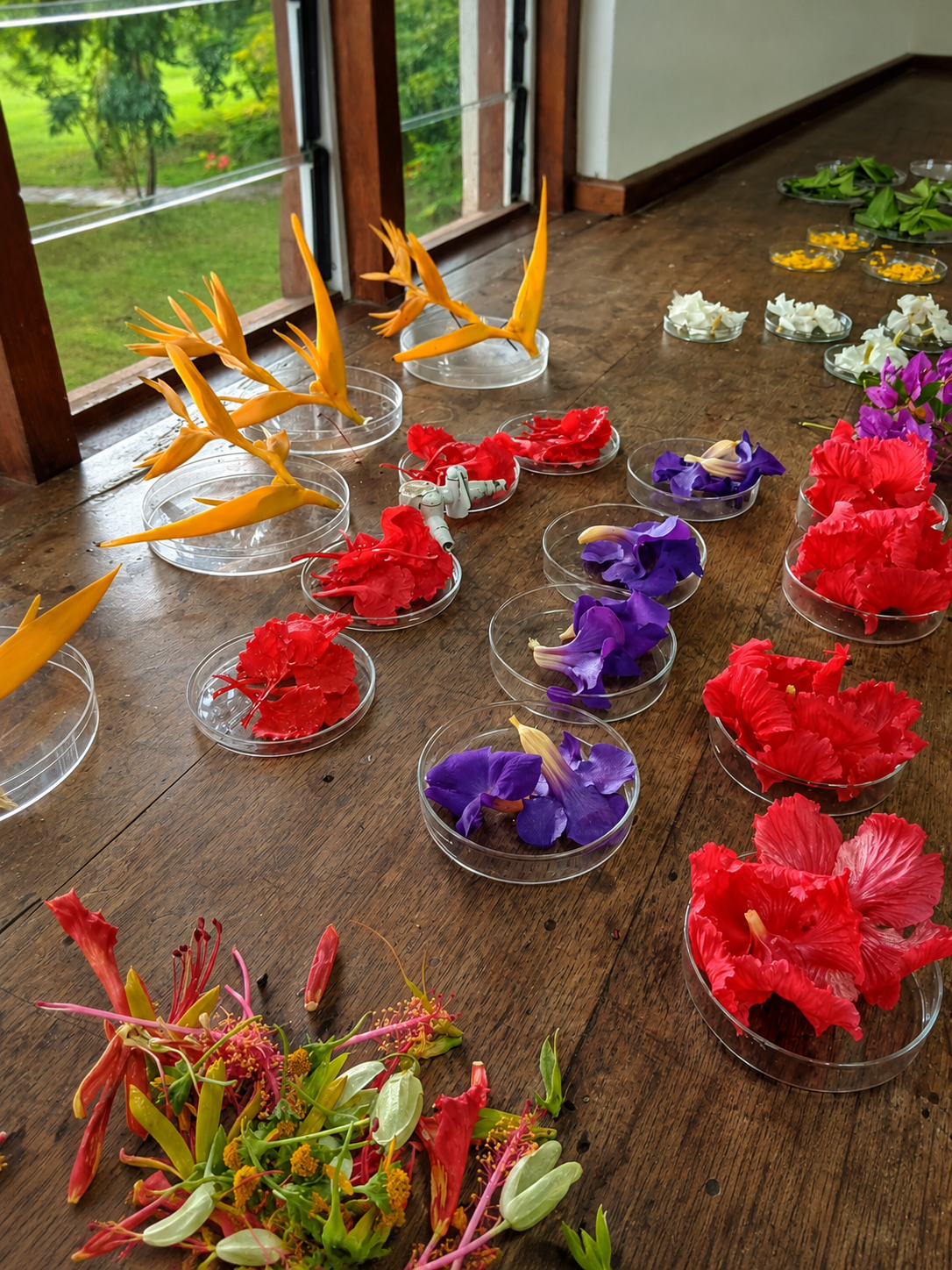
Year 9 Biology learners have continued building a strong foundation in IGCSE biological ideas. They explored cell structure, specialised cells and microscopy, practising how scientists use microscopes to observe the hidden detail of living things. Their learning then extended into classification, the plant kingdom and the animal kingdom, helping them recognise how organisms are grouped, compared and studied. These topics have supported students in using scientific vocabulary more precisely and in thinking carefully about how structure, function and classification help us understand life.
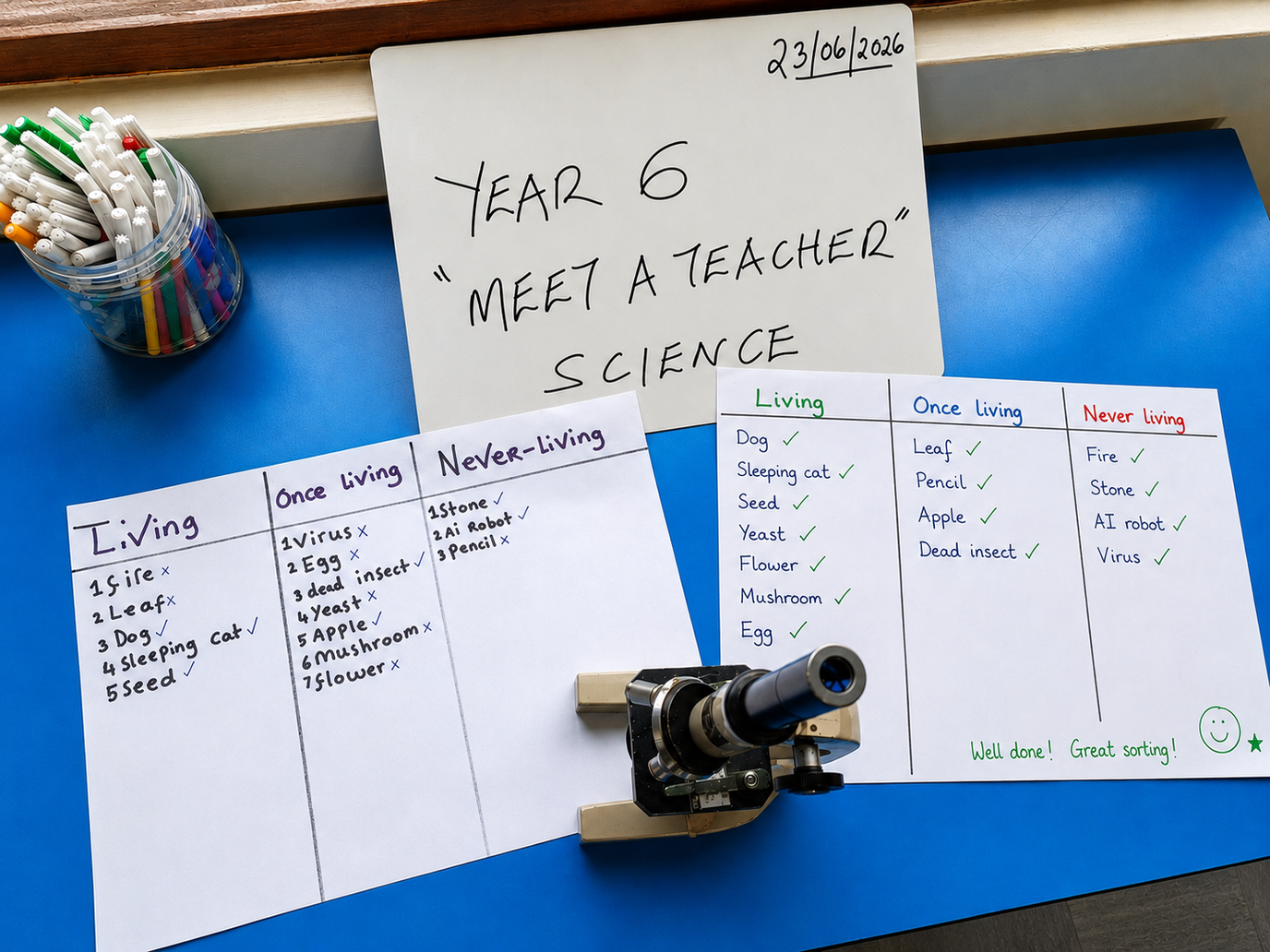
Year 6 Meet a Teacher: A First Taste of Secondary Science
Year 6 had a valuable opportunity to experience a high school science lesson as part of their transition journey into Year 7. The session introduced them to a more independent and inquiry-based style of learning, with discussion, sorting tasks and hands-on observation. It gave learners a flavour of what secondary science will feel like next academic year and helped them begin the move into high school learning with confidence, curiosity and excitement.
Coming Soon: High School Science Fair in Week 10
Looking ahead, the High School Science Fair in Week 10 will give students the opportunity to present their scientific experiences, investigations and projects. This event will celebrate curiosity, creativity and evidence-based thinking, as learners explain what they explored, what they discovered and how their ideas connect to real-world science. It promises to be an exciting platform for students to share practical work, research, innovation and problem-solving with the wider school community.
Abel Morang’a
Physics in Action: From Classroom Learning to Creative Innovation
Physics in the Classroom
Term 3 has been a highly productive and exciting period for the Physics students at Braeburn Mombasa. Year 11, 12 and 13 students completed their Cambridge IGCSE and A-level Physics examinations, bringing together months of preparation, revision and determination. Year 9 also made an early start on the Year 10 and 11 IGCSE Physics syllabus, which is a two-year course. This early introduction was designed to give them a taste of Year 10 expectations while also providing a valuable advantage in syllabus coverage. So far, they have covered three subtopics from the first main topic, Motion, Forces and Energy. Year 10 were exposed to the demands of all three Physics papers: Paper 2, Paper 4 and Paper 6. They are now halfway through the syllabus and continue to make pleasing progress across all three components. Year 12 also began their Year 13 syllabus early, covering Temperature and Ideal Gases, while also using the Physics practical workbook to strengthen their Paper 5 written practical skills.
The Physics Olympiad
A major highlight this term was the Year 9 Physics Olympiad, attended online by Year 9 and 10 Physics students from across Braeburn schools. The event focused on teamwork, with students placed in mixed groups alongside peers from other Braeburn campuses. They discussed topical Physics questions, worked collaboratively and had their responses marked by moderators. Students also pitched creative Physics ideas linked to real-world issues and emerging trends. Leone presented on reusable rockets, exploring energy efficiency in aviation and space travel.
I am incredibly proud of how our students rose to the challenge and engaged so enthusiastically. We look forward to an even greater journey ahead as we explore the fascinating world of Physics.
Lucy Gitura
Physics Teacher
![IMG_0054[1].JPG](/media/images/IMG_00541.width-1376.jpg)
![IMG_0048[1].JPG](/media/images/IMG_00481.width-1376.jpg)
![IMG_0044[1].JPG](/media/images/IMG_00441.width-1376.jpg)
![IMG_0042[1].JPG](/media/images/IMG_00421.width-1376.jpg)
![IMG_0041[1].JPG](/media/images/IMG_00411.width-1376.jpg)