Navigating a New Digital Frontier: AI for Students
6th June 2026
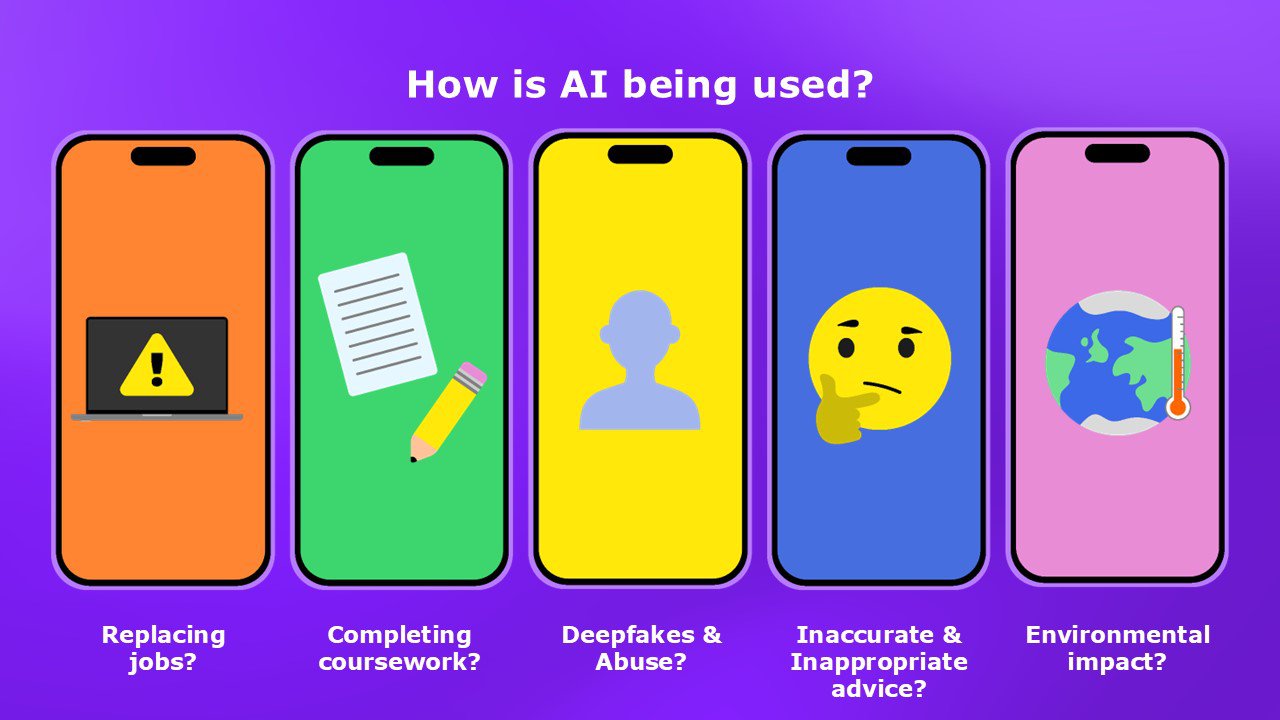
Artificial Intelligence (AI) is no longer a concept from sci-fi movies, it is a central part of our children's daily lives. From helping with schoolwork to providing entertainment, AI offers incredible opportunities, but it also introduces complex challenges that we need to navigate together as a school community.
AI in the Classroom: Opportunity vs. Shortcut
AI can be a fantastic learning partner when used correctly. It can make life easier and help students achieve more.
- The Positives: Students can use AI as a "jumping-off point" to generate study questions, critique essays they have already written, or spark creative inspiration.
- The Negatives: A major risk is using AI to bypass learning entirely, such as asking it to write an essay from scratch. This crosses the line from a helpful tool into plagiarism, undermining academic honesty, integrity, and original thinking.
The Danger of AI "Friendships"
Many platforms now allow children to create and converse with custom AI characters. While these might seem like harmless fun, they come with hidden traps:
- The Emotional Echo Chamber: AI creates a simulated version of empathy, potentially acting as a "perfect companion" that always agrees with the child. This can make real-world, "analog" social skills a lower priority.
- Inaccurate & Unregulated Advice: Because many AI websites lack strict moderation, these digital characters can give misleading or completely inaccurate advice, heavily influencing a young mind without any adult oversight.
Deepfakes and Online Abuse
The rise of generative AI has made creating synthetic reality alarmingly simple.
- Deepfakes: These are highly realistic videos or images where a person's face or voice is digitally altered to make them appear to be someone else. They are frequently used maliciously to spread misinformation or bully others.
- Consent and Cruelty: Editing a friend's photo to look silly and dropping it into a group chat might seem like a joke, but it violates consent, data protection, and can be deeply hurtful.
- AI and Digital Abuse: Shockingly, harmful and abusive AI-generated imagery is becoming increasingly realistic, leading to a massive surge in online harassment and targeted bullying. It is a growing concern that malicious creators are using these tools to target individuals, particularly young girls. As the United Nations firmly states, "Deepfake abuse is abuse." We must teach our children that virtual creations have real-world consequences and cause genuine emotional harm to the people involved.
How to Spot a Deepfake: Encourage your child to look critically for glitches. Tell-tale signs include mismatched blinking, unnatural "plastic" hair or skin, bad lip-syncing, deformed hands (like extra fingers), and warped background lines.
The Environmental Cost
Beyond the social and academic impacts, AI has a physical footprint. Running massive AI data centres requires an immense amount of electricity and water for cooling, contributing heavily to global carbon emissions and environmental strain. When kids use AI, they should be aware that every query carries an environmental cost.
Moving Forward Safely
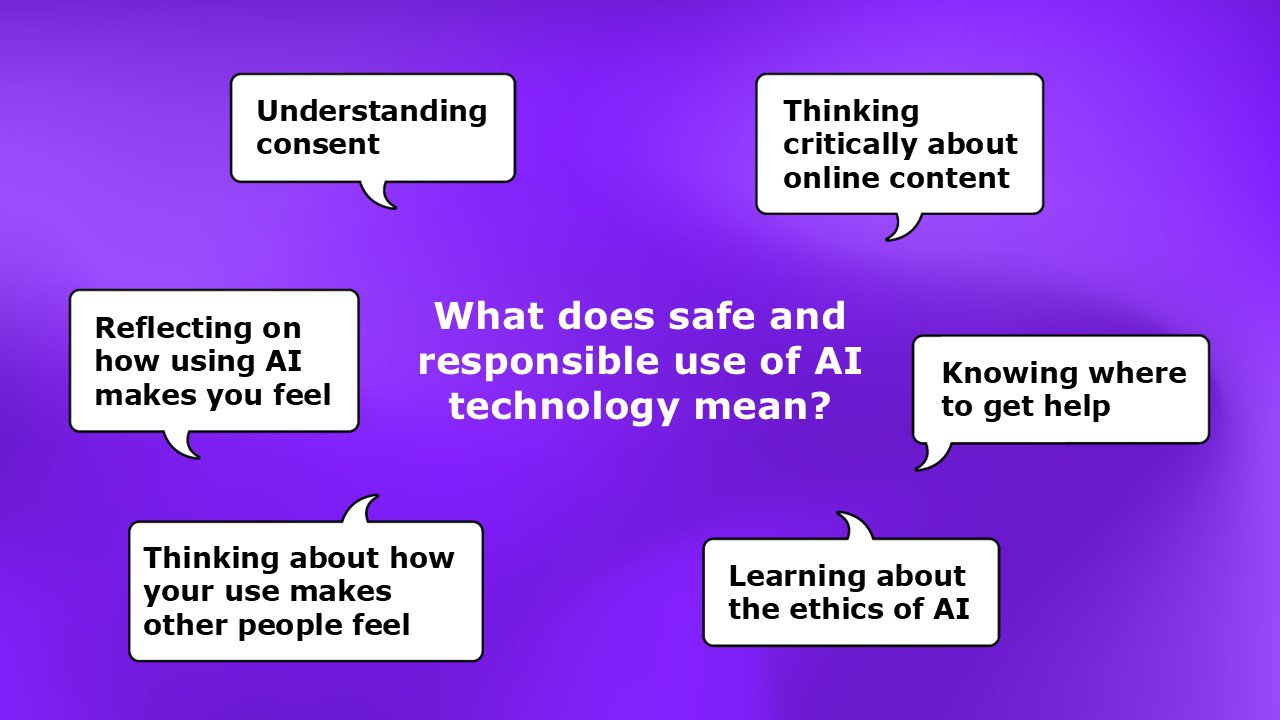
We all have the right to decide how much we want to engage with AI. To keep our pupils safe, we encourage families to talk openly about digital consent, think critically about online content, and reflect on how using technology impacts our real-world emotions.
If your child ever feels uncomfortable, confused, or worried about something they have encountered online, please remind them that our school staff are always here to help.