Secondary Science
28th February 2026
KS3 Science
Year 7
This term in Year 7 Science, students are making strong progress across three core areas that develop scientific thinking and practical skills. In classifying life, learners are building confidence in observing key features, sorting organisms logically, and using dichotomous keys to make accurate identifications, while showing greater independence in explaining why an organism belongs in a particular group. In chemical changes and reactions, pupils are improving their ability to recognise evidence of chemical change, describe reactions clearly, and communicate findings using appropriate scientific vocabulary, supported by safe, structured practical work, fair testing, and drawing conclusions from observations and simple data. In electricity, students are engaging well as they construct and interpret circuits, use symbols accurately, and explain how series and parallel arrangements affect circuit behaviour. Across all topics, Year 7 are demonstrating curiosity, teamwork, and resilience as they combine iPad-supported research, practical investigations, and increasingly high-quality written and visual explanations, and the department is proud of the knowledge and learning habits they are gaining for continued success in Science.
Year 8
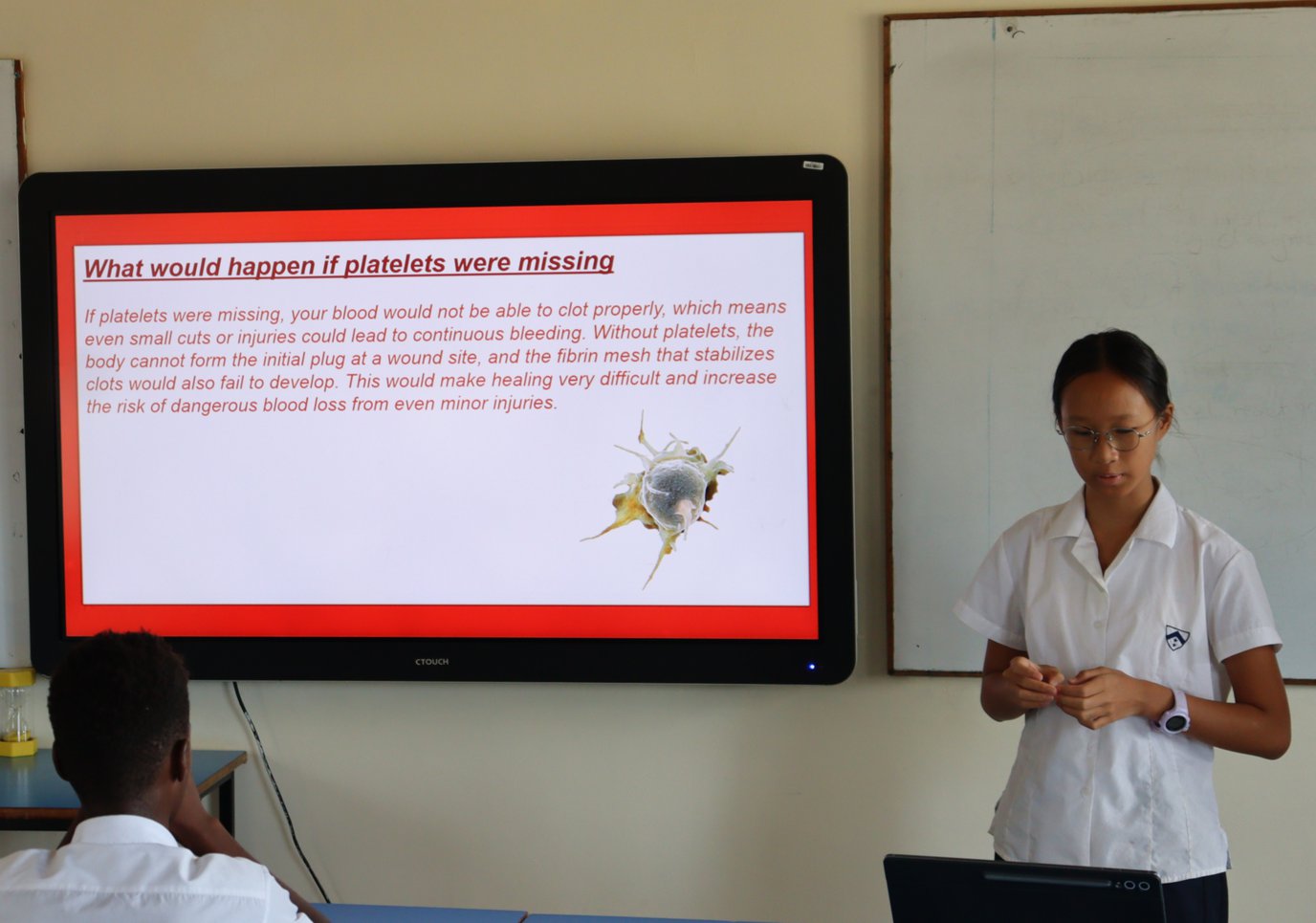
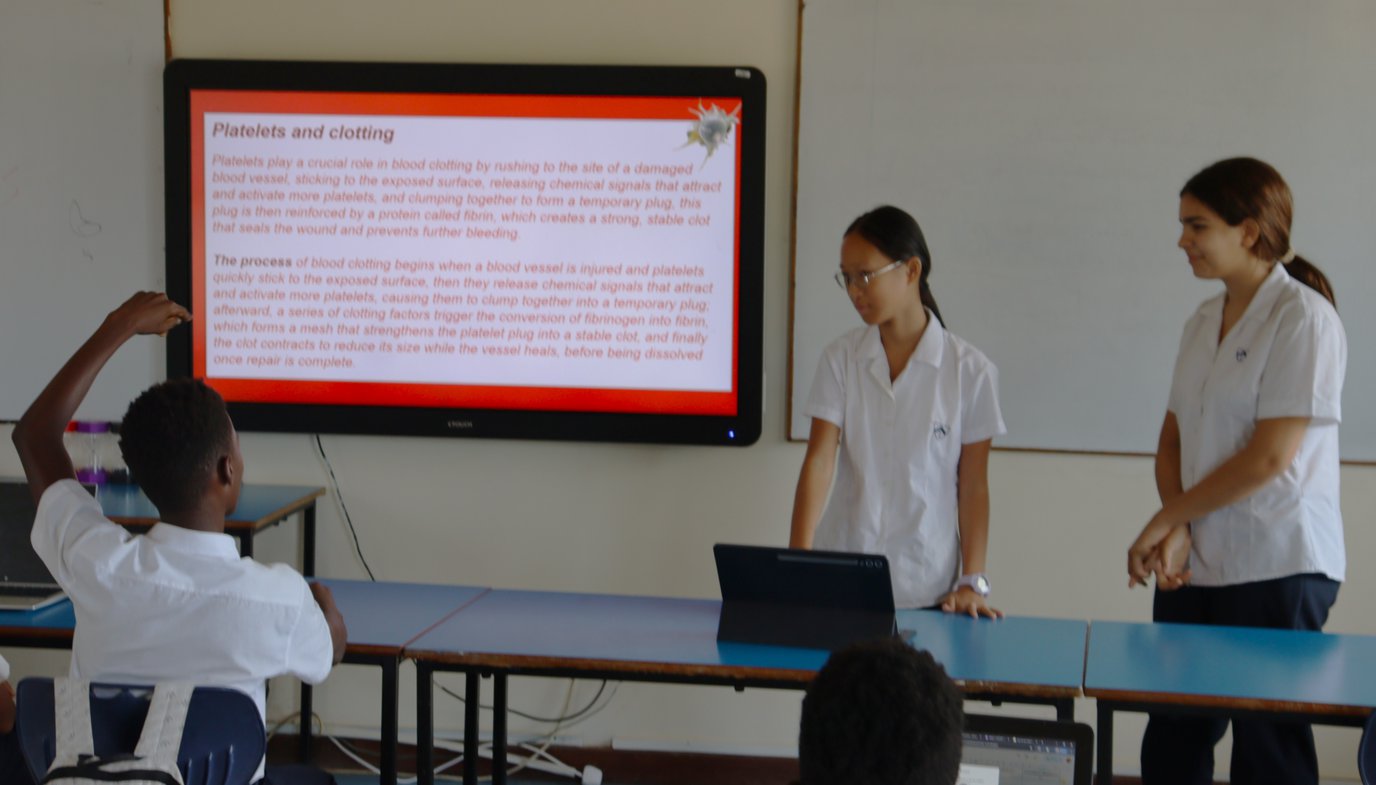
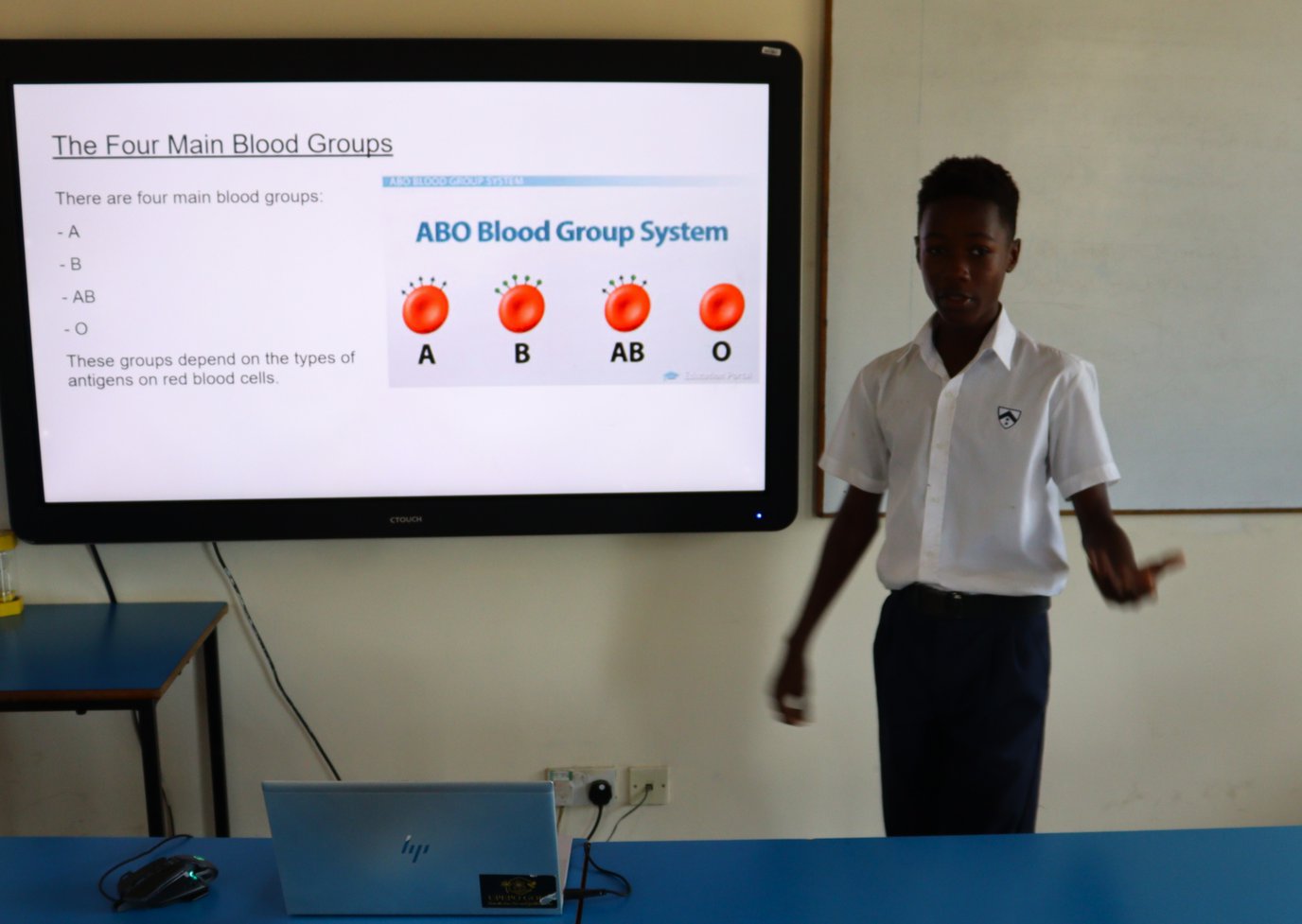
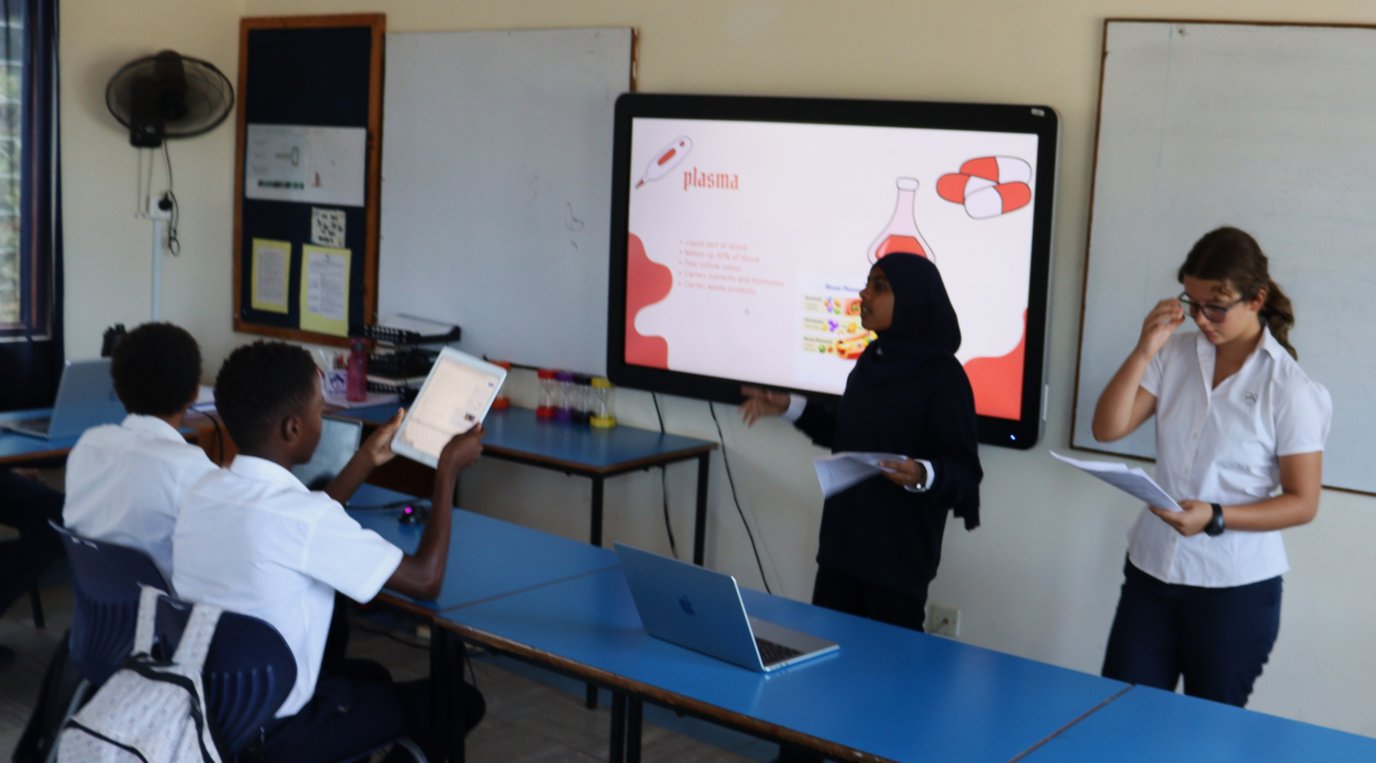
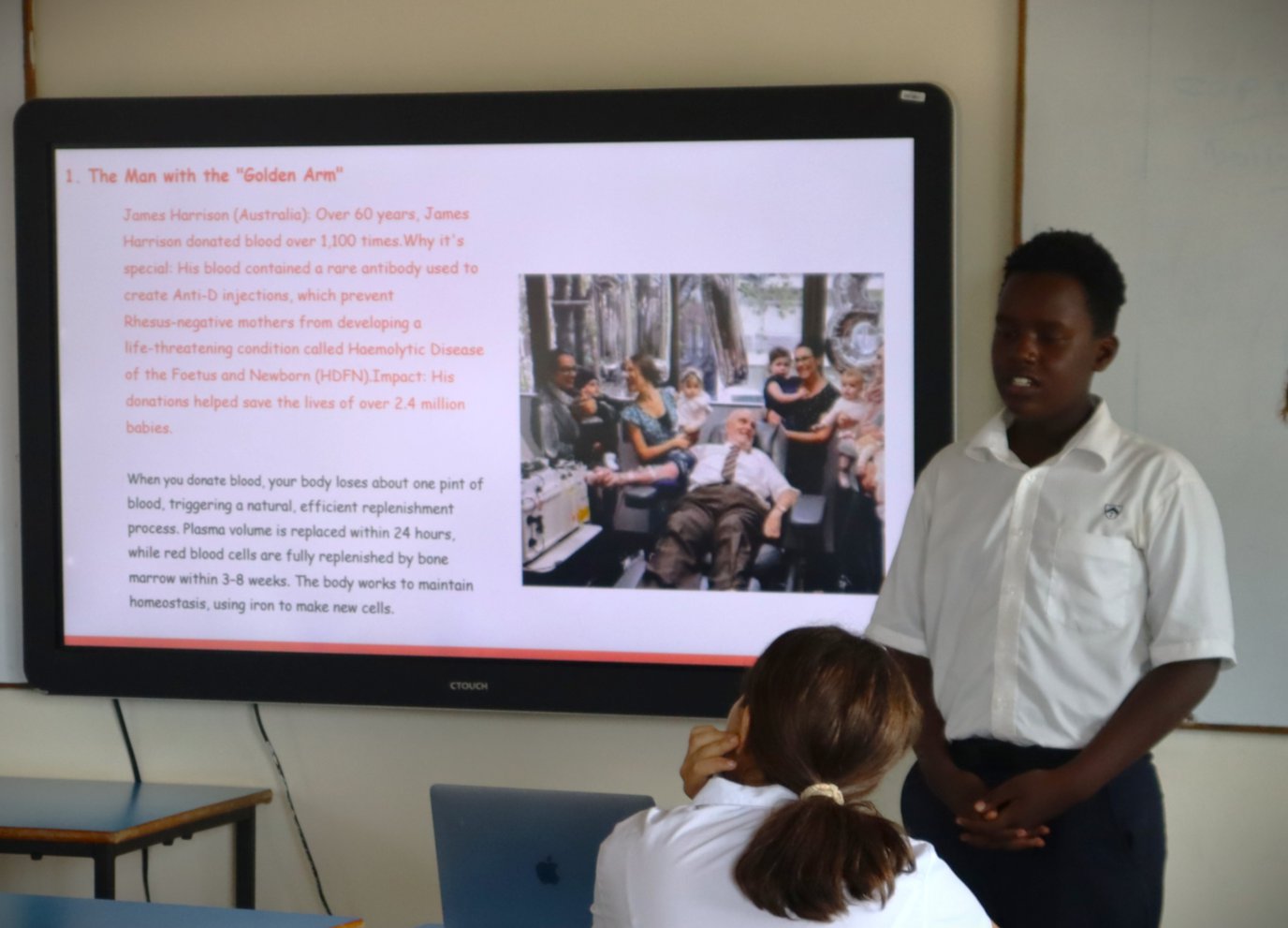
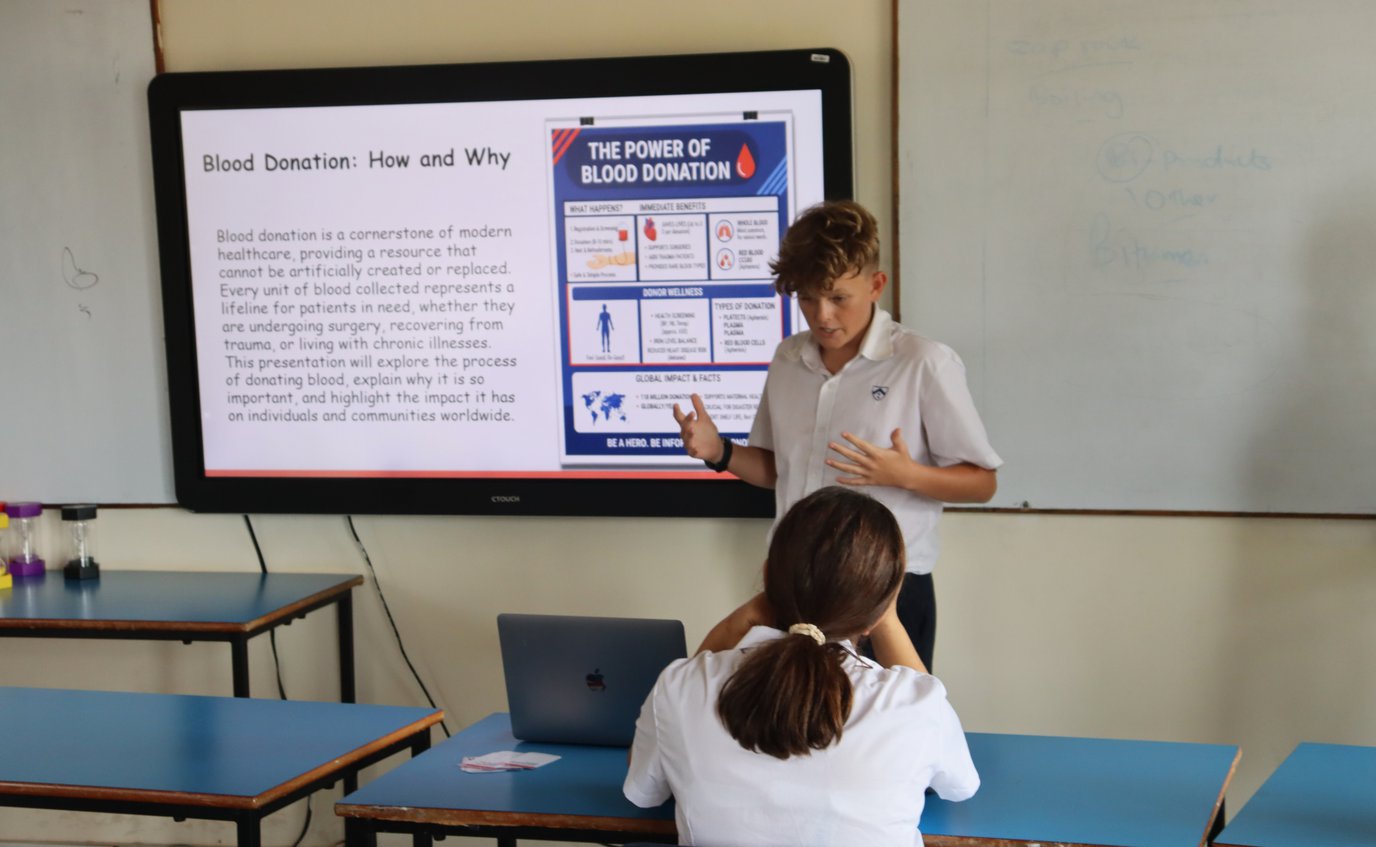
This term, Year 8 have strengthened their understanding of human biology, beginning with the respiratory system and the mechanics of breathing. Students explored how ventilation happens (breathing in and out), then developed clear explanations of gas exchange in the air sacs (alveoli), linking structure to function and using key scientific vocabulary to describe how oxygen enters the blood and carbon dioxide is removed. They then moved into aerobic respiration, confidently distinguishing it from breathing and explaining how living cells release energy to stay alive. In the second half of the unit, the focus shifted to the components and composition of blood, where students used terms such as plasma, oxyhaemoglobin, antibodies, pathogens, and red and white blood cells with increasing accuracy. A highlight has been the strong growth in student confidence and communication, with purposeful collaborative tasks and well-structured, student-led explanations demonstrating secure knowledge and improving Cambridge-style scientific reasoning.
Year 9
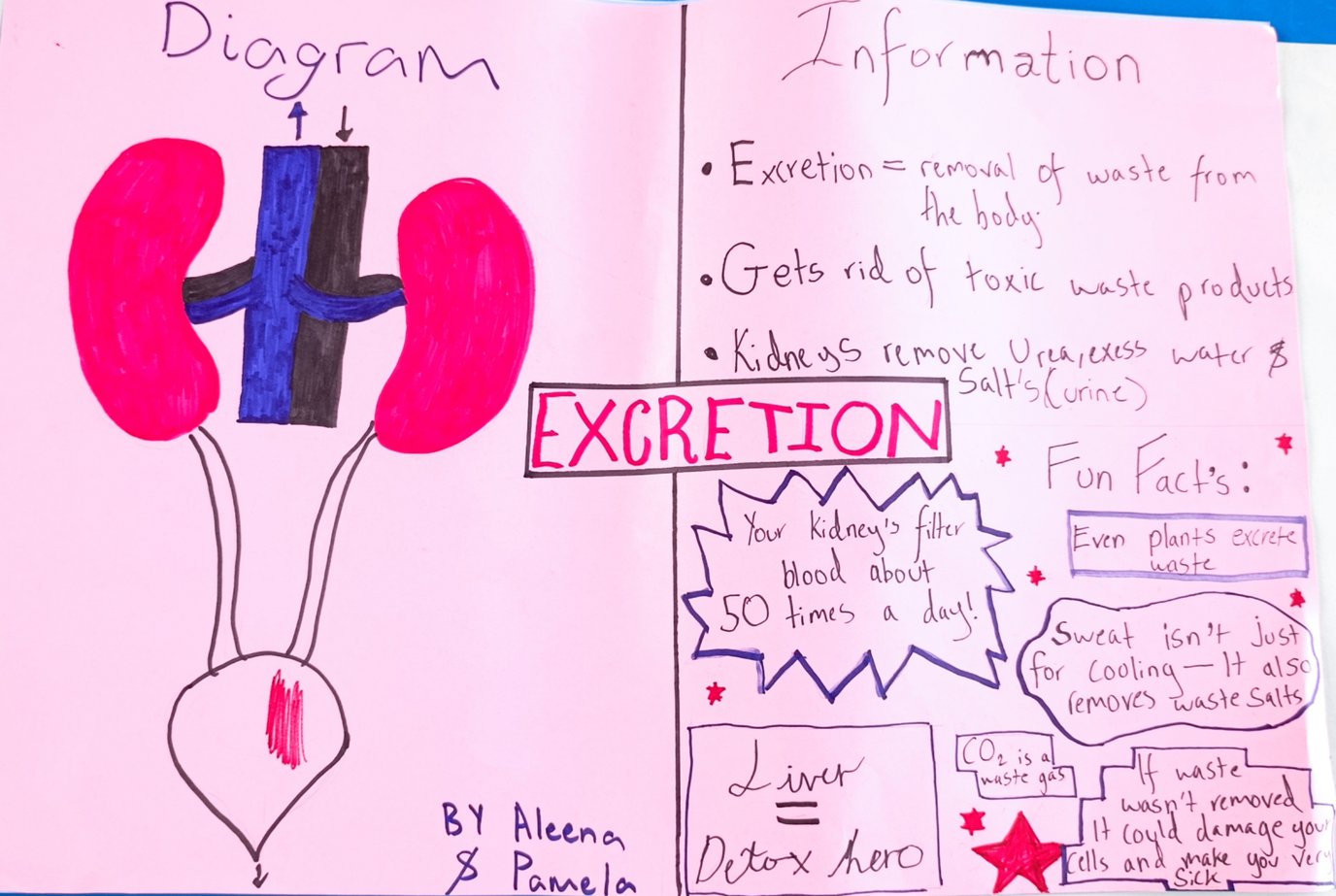
This term, Year 9 have built strong foundations in the life sciences, beginning with excretion in humans and the vital role of the kidneys in removing urea and regulating water and salts to maintain a stable internal environment. They then moved into reproduction and development, developing secure understanding of DNA and chromosomes, gametes, the human reproductive system, and the key stages from fertilisation through embryo to foetus development, including how lifestyle choices support a healthy pregnancy. Throughout these units, students have shown growing confidence in using precise scientific vocabulary, producing clear labelled diagrams, and explaining processes in well-structured, Cambridge-style responses.
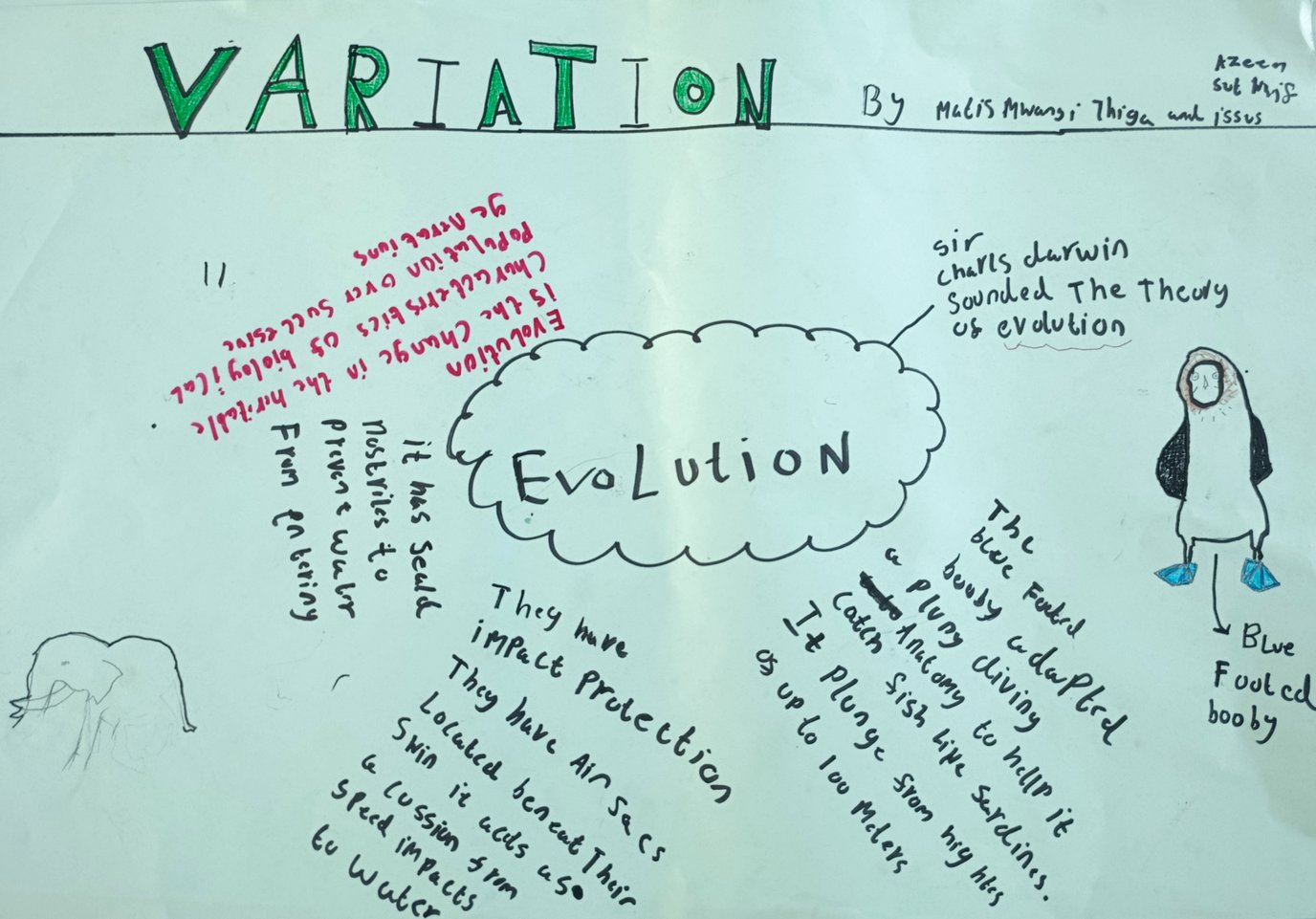
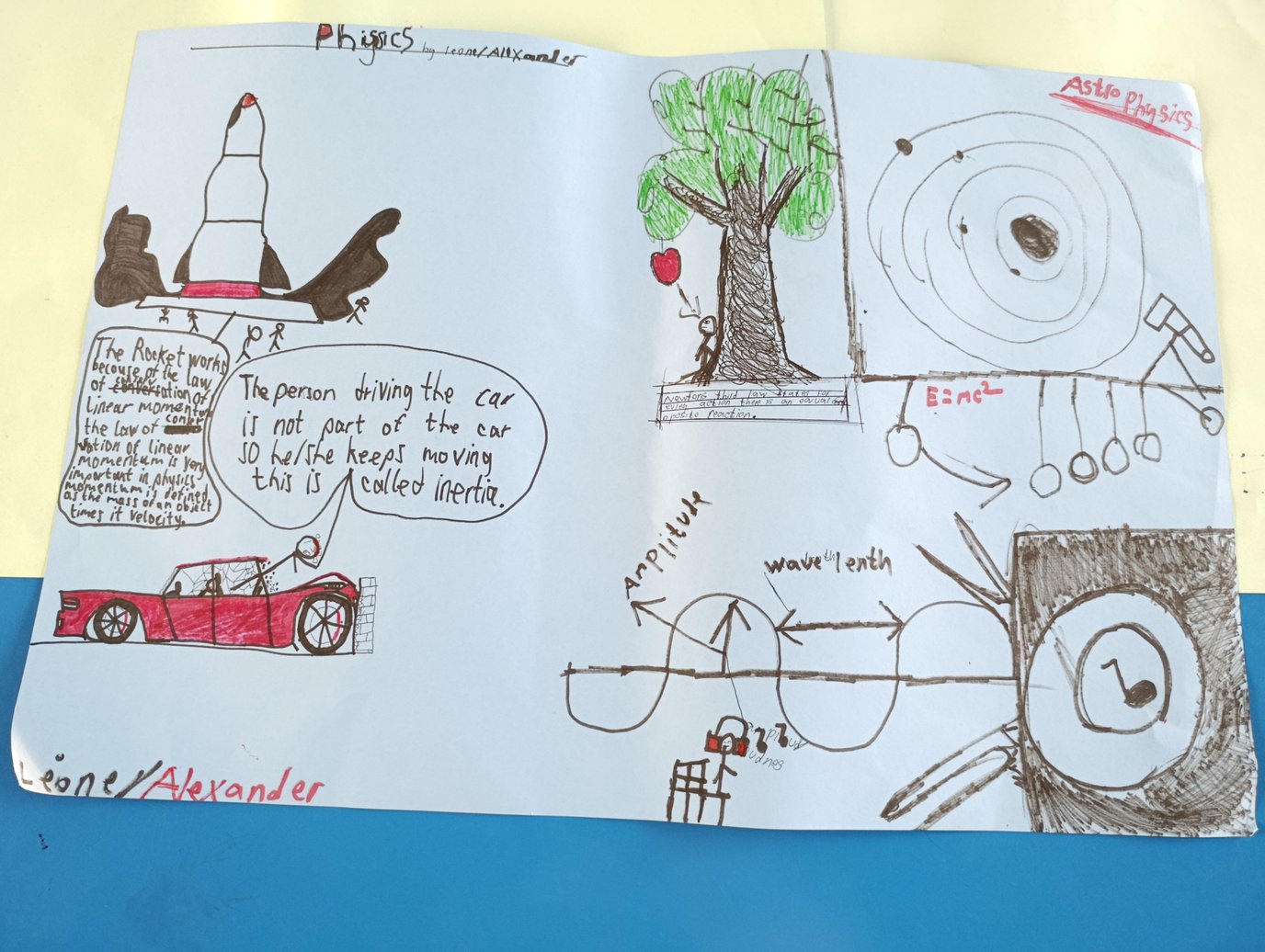
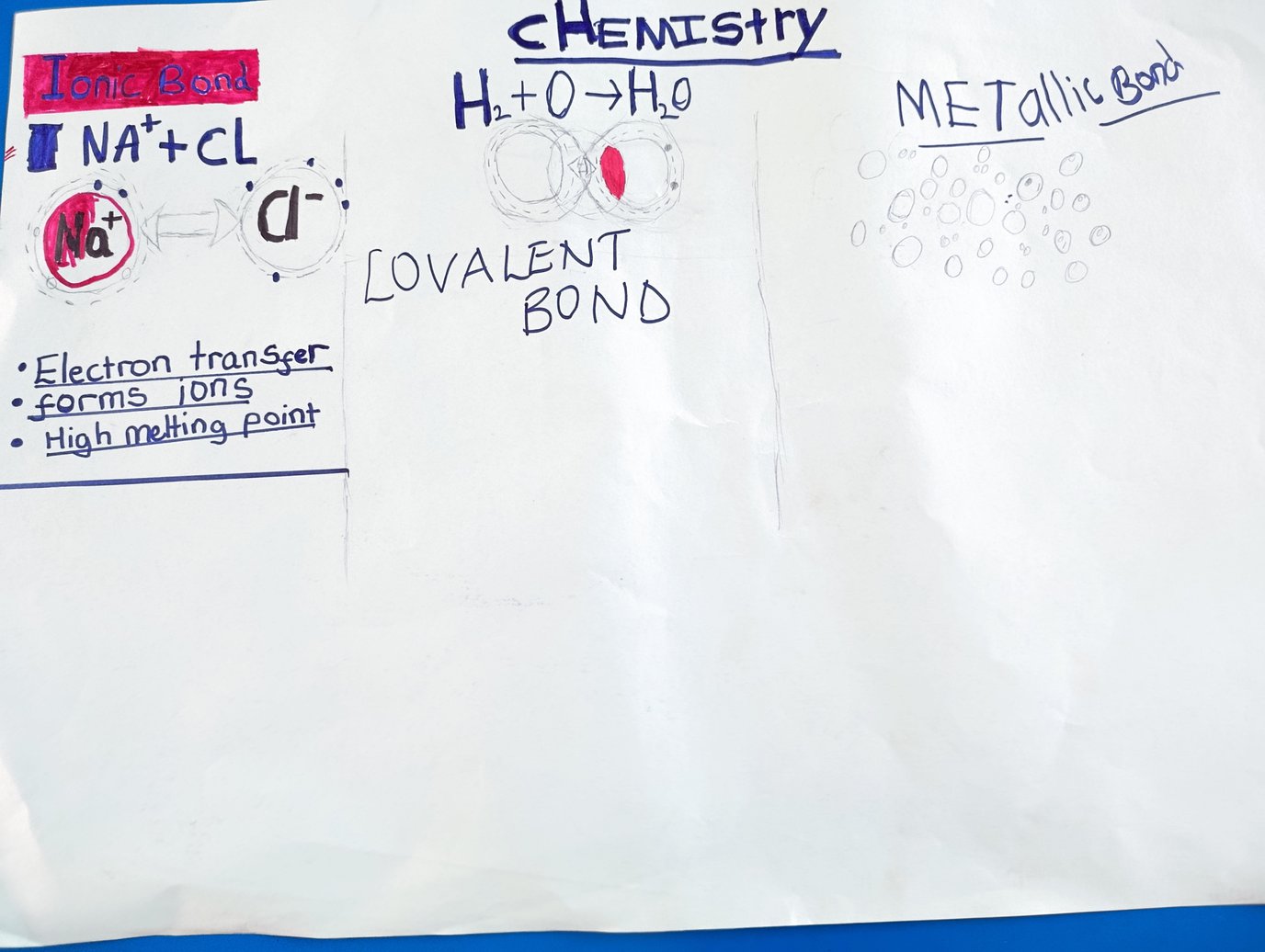
Building on this, Year 9 explored inheritance, variation and natural selection, using evidence-based thinking to explain how populations change over time and why variation matters for survival. In the chemical strand, they examined periodic table trends and why elements react to form compounds before strengthening understanding of ionic, covalent and metallic bonding and linking bonding models to the properties of materials. The term has also included sound and space, where students applied wave ideas to pitch and loudness, explored interference, and discussed theories about the formation of the Moon. Across these topics, students have impressed us with creative scientific communication, thoughtful questioning, and steadily improving analytical explanations that connect models to real-world outcomes.
Year 10 Biology
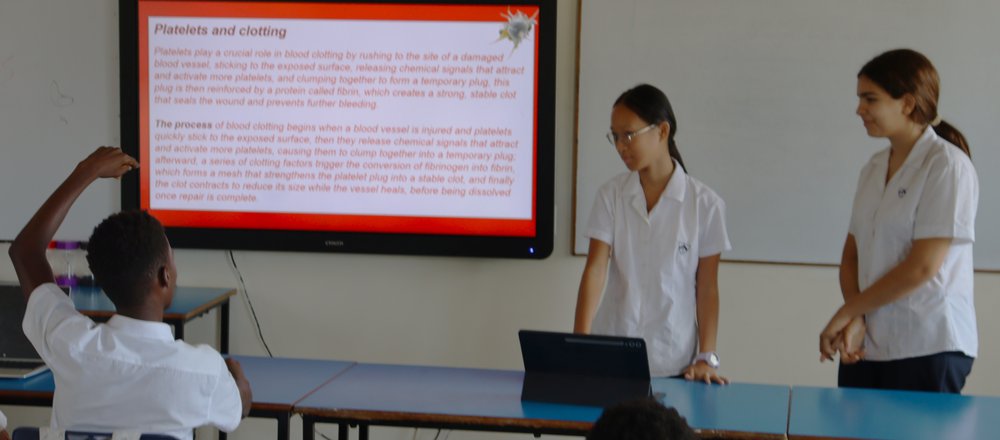
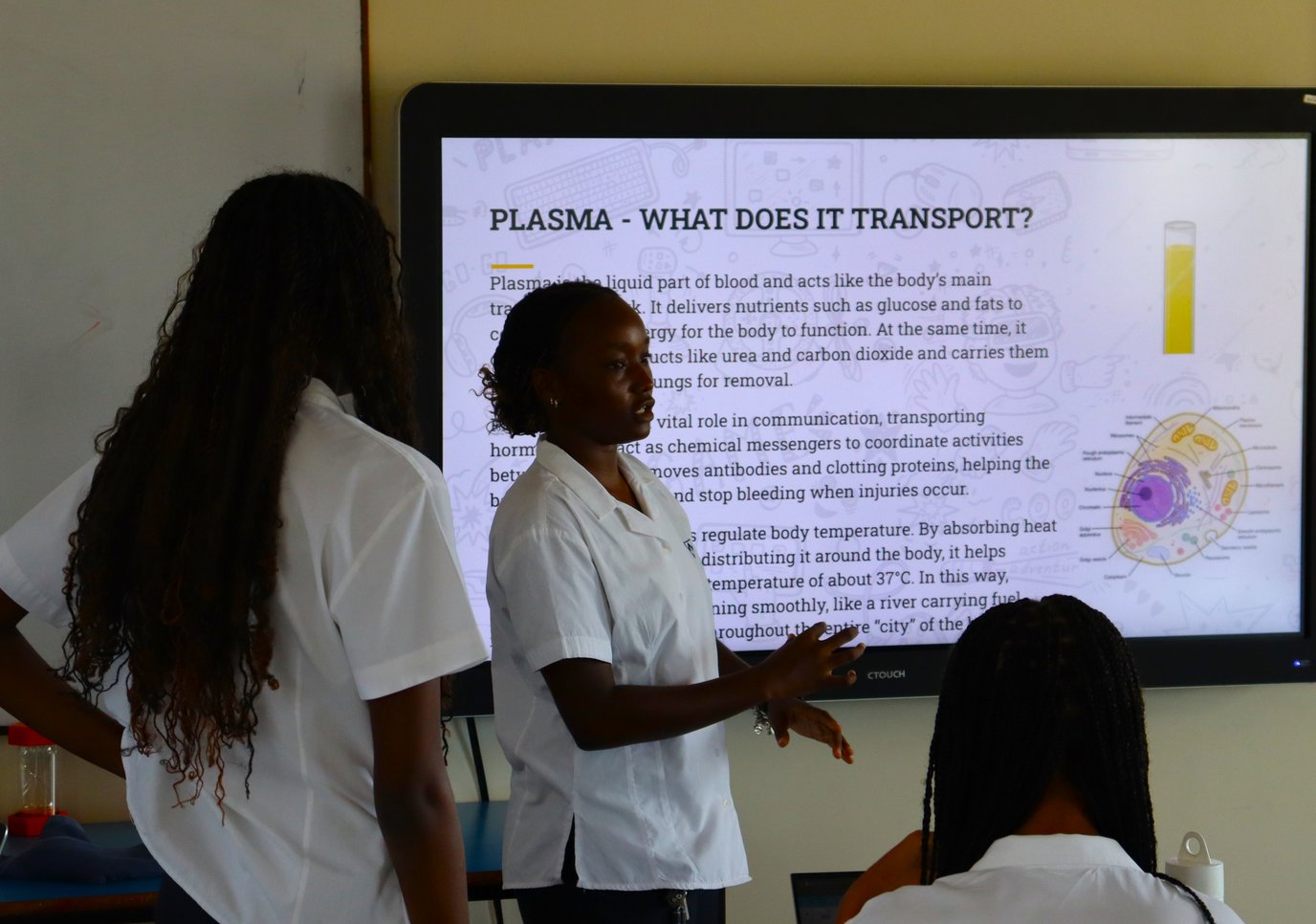
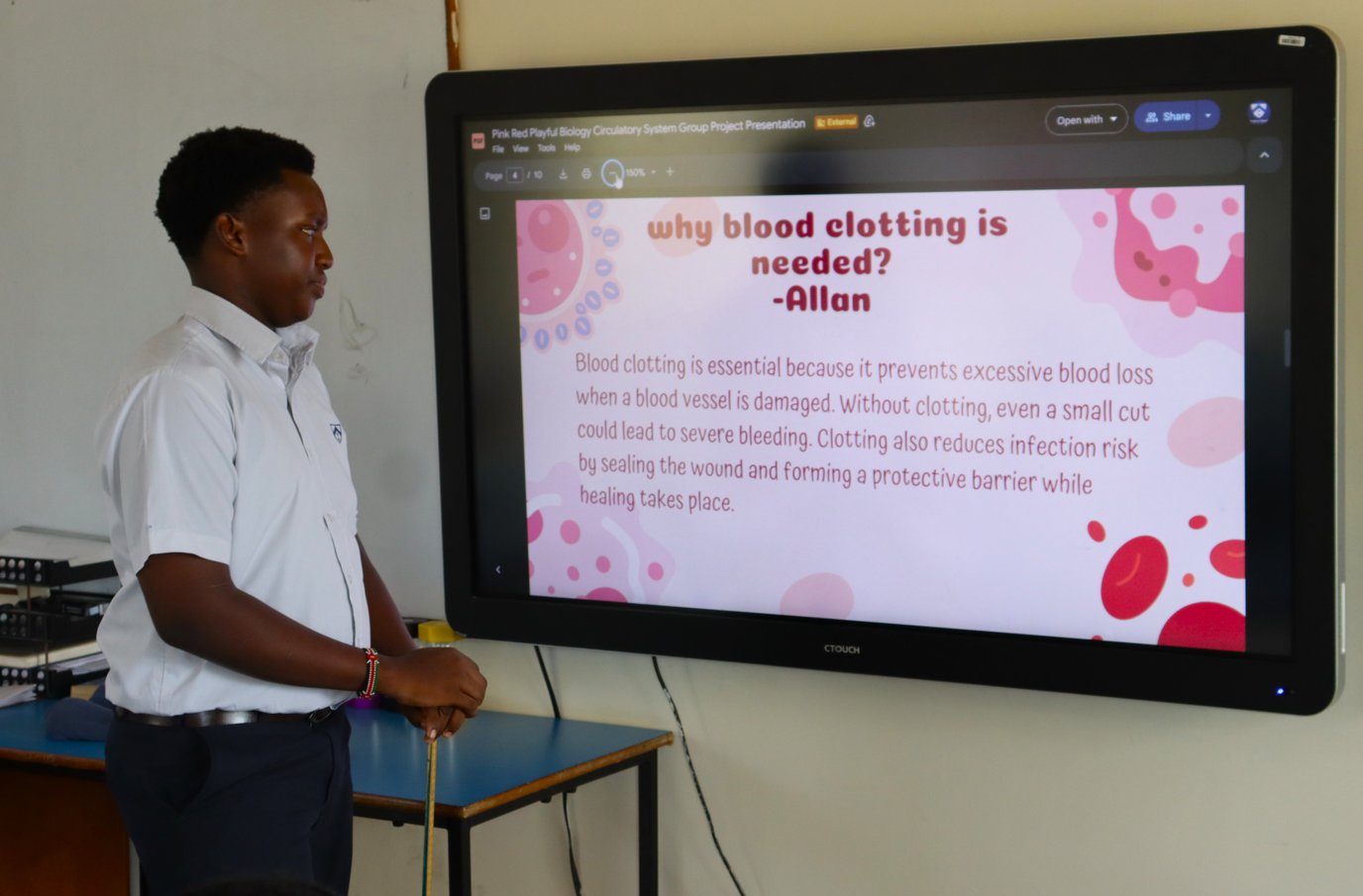
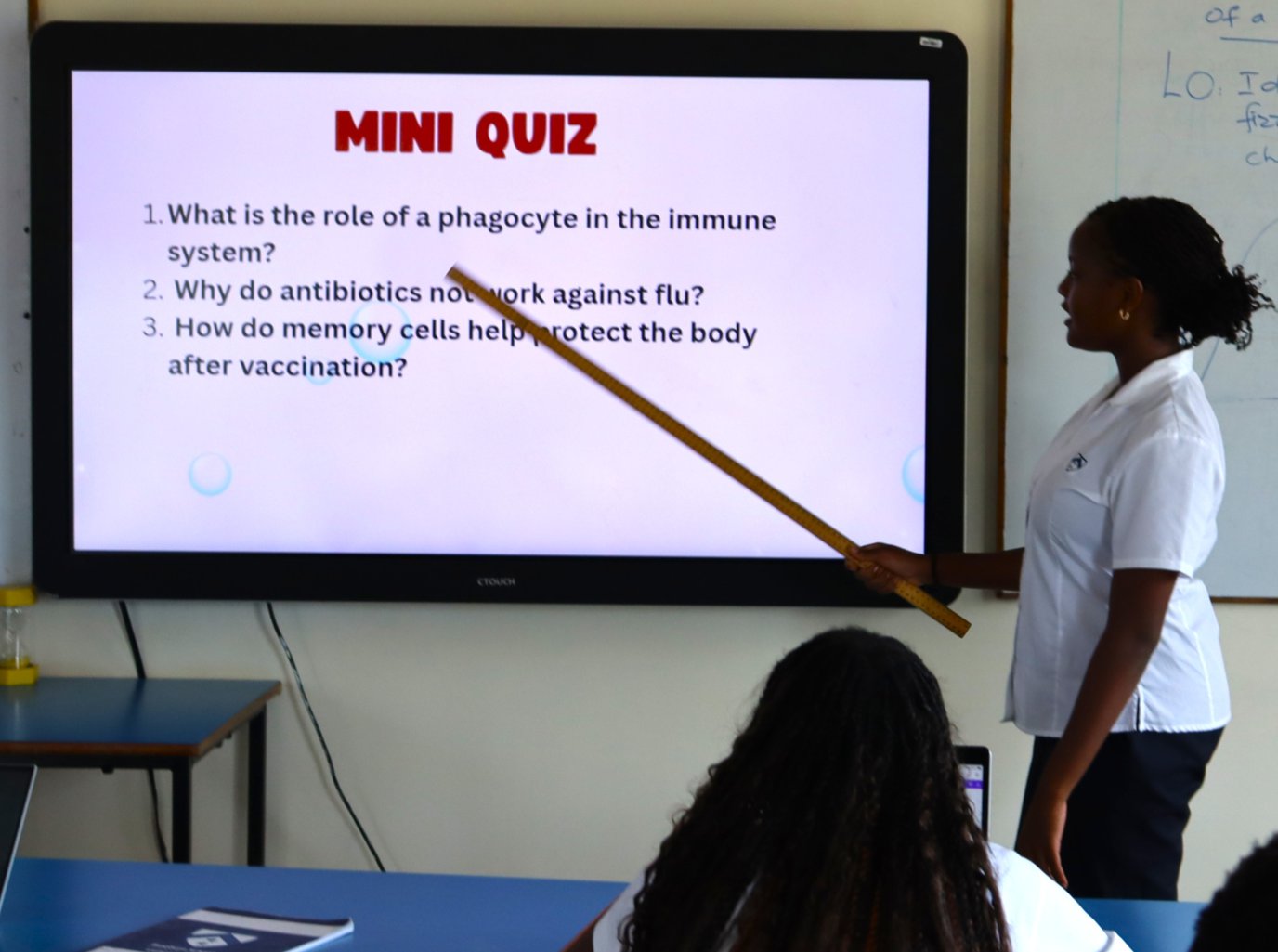
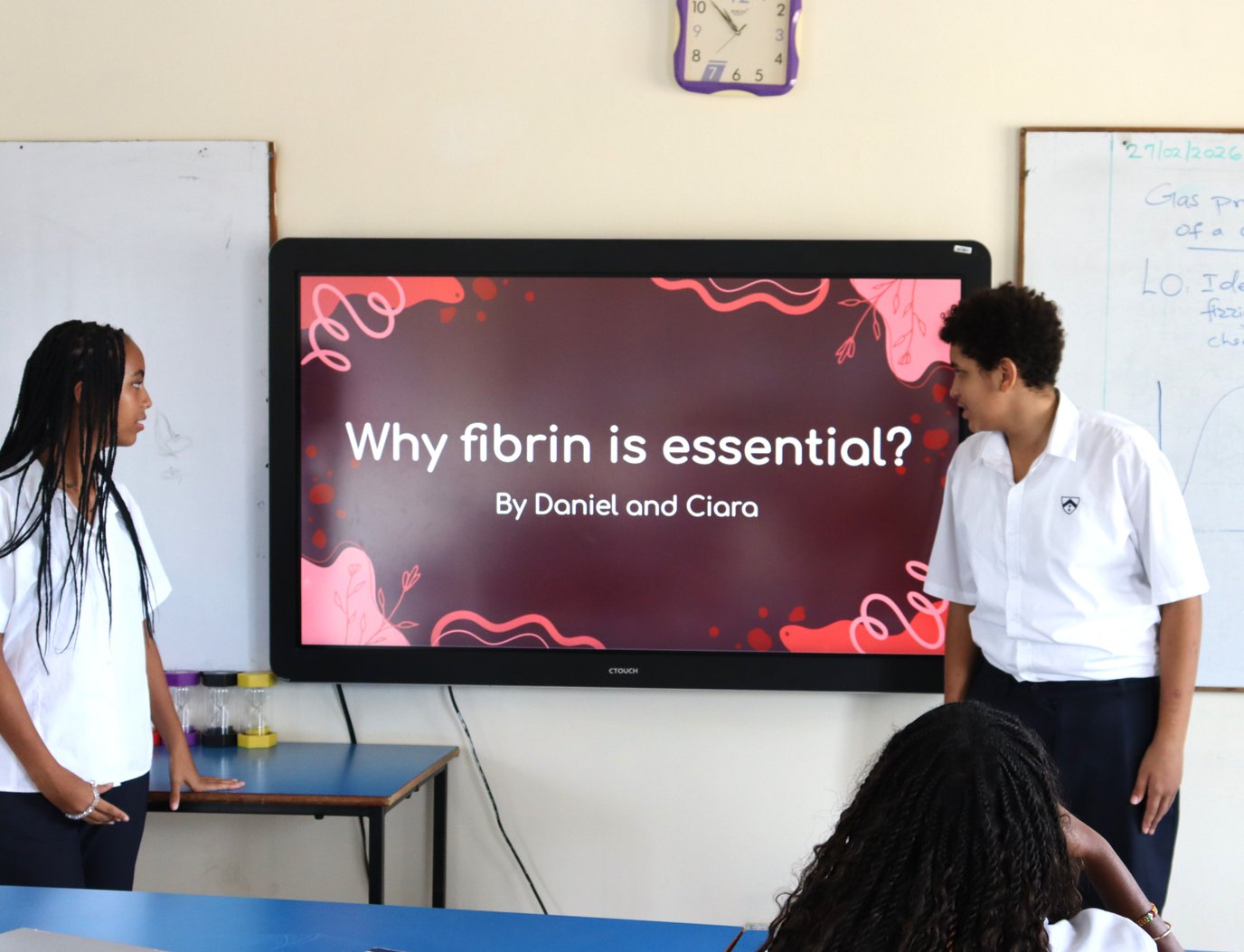
Year 10 Biology has continued to perform strongly through the second part of Term 2 with a focused programme on Transport in Plants and Transport in Animals, combining clear conceptual understanding with disciplined examination readiness. Students consolidated how water and minerals move through xylem and how sugars are translocated in phloem, linking adaptations to efficiency and applying ideas to real plant responses and everyday examples. In animals, learning centred on the composition and roles of blood, including how plasma, red blood cells, and immune components support transport, defence, and regulation in the body. Across these weeks, students sharpened key skills by interpreting data, explaining processes using accurate biological vocabulary, and improving precision in Cambridge style structured questions. A notable strength has been the quality of student presentations and mini review activities, where learners communicated complex ideas with increasing clarity, handled questions confidently, and demonstrated growing maturity in scientific explanation and academic delivery.
Year 11 Biology
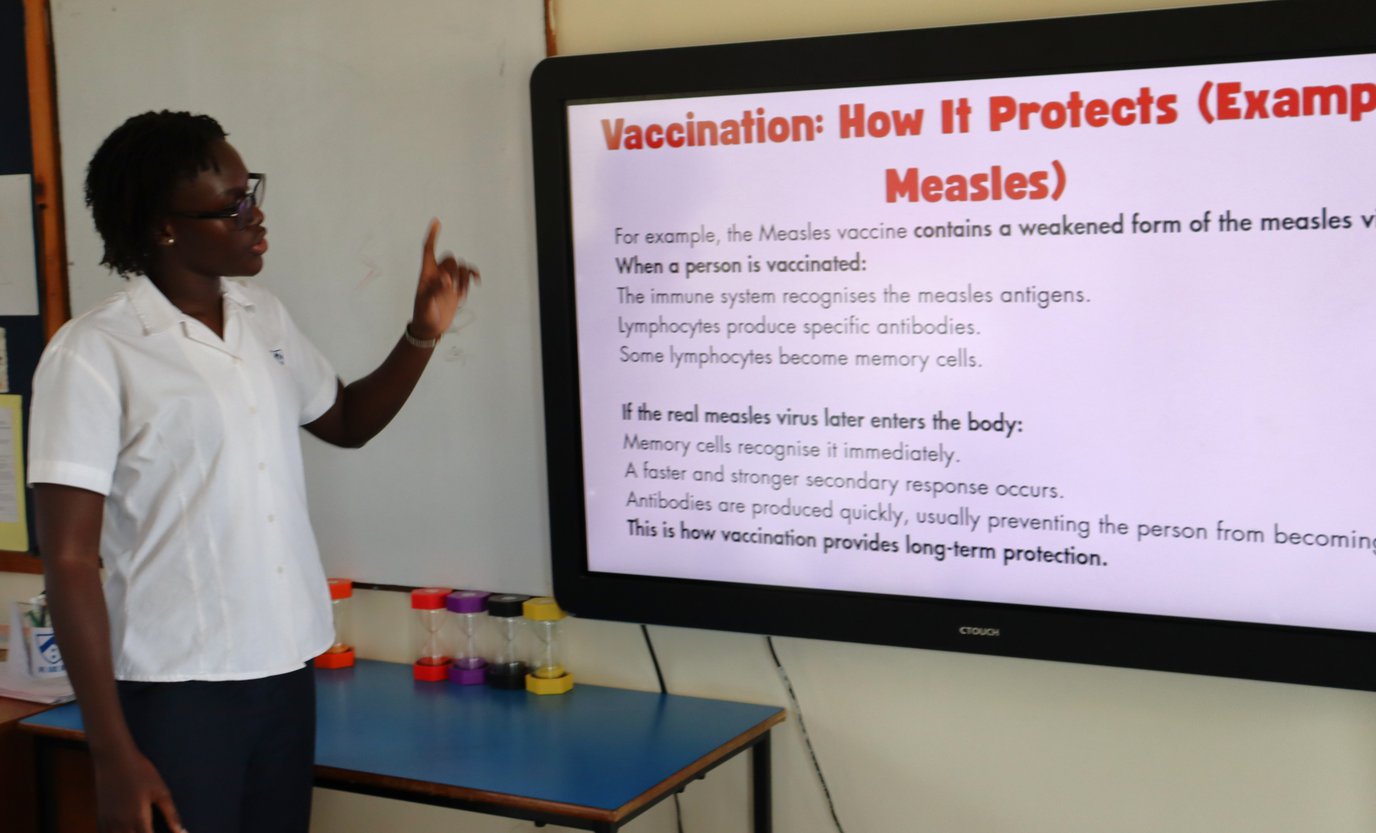
Year 11 Biology candidates have sustained a purposeful pace for the start of the second part of Term 2, using post mock topical reviews to close gaps and secure marks in weaker areas. Re-teaching has prioritised targeted support through student presentations on challenging paper sections, alongside consistent practice in IGCSE style questions to strengthen structured responses for Paper 2 and maintain regular engagement with Paper 4 content to deepen understanding and improve command of key terminology. Practical and investigation skills have remained central through Paper 6 past paper practice, helping students refine planning, data handling, graph interpretation, and evaluation skills under timed conditions. This structured blend of focused revision, examination technique, and confident scientific communication is steadily strengthening weak areas, building confidence for upcoming assessments, and supporting students in meeting their CAT4 If Challenged targets.
Year 10 Chemistry Practical: Electrolysis of Copper(II) Sulphate
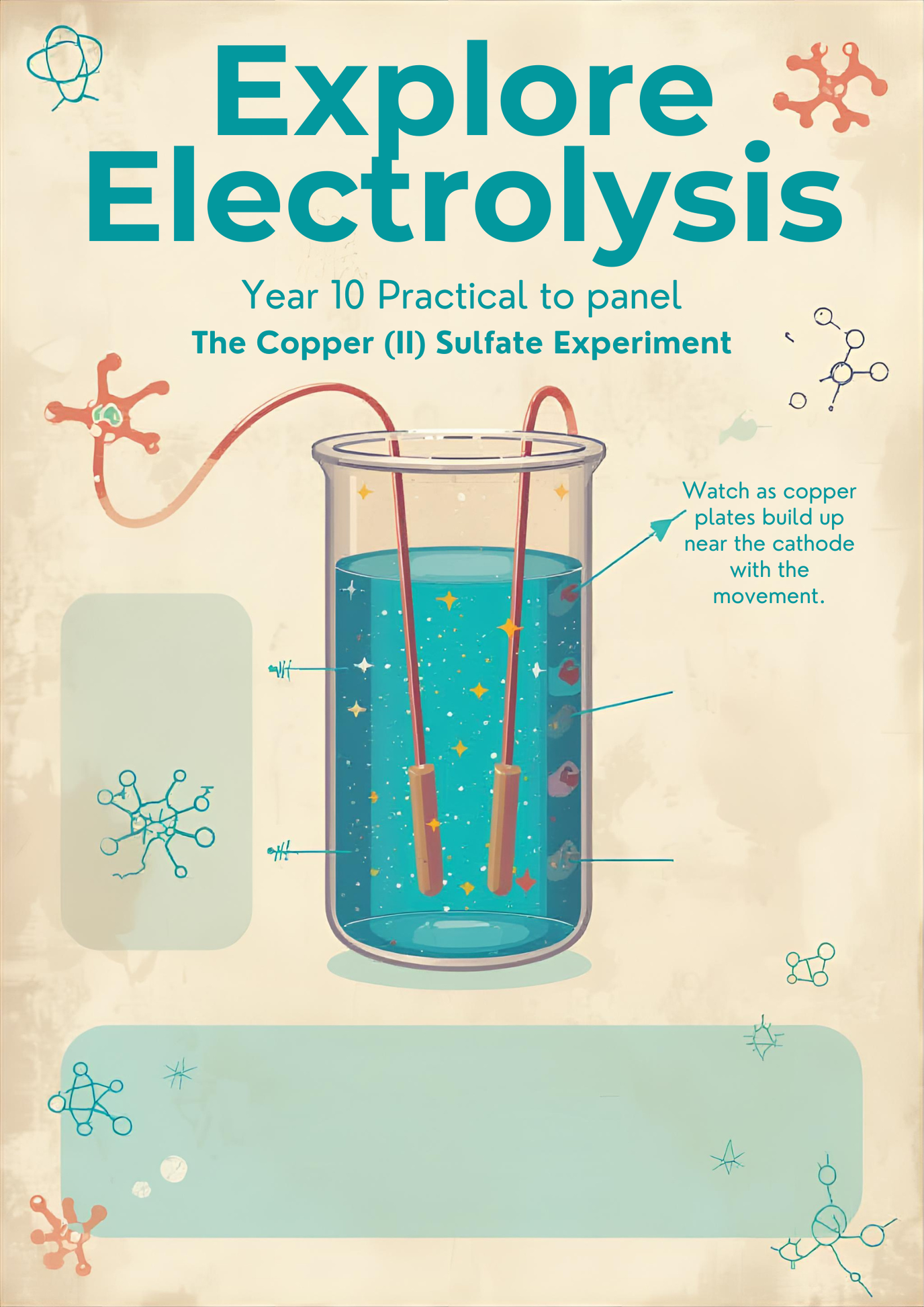
Year 10 students carried out a practical investigation on the electrolysis of Copper(II) sulfate using copper electrodes. The aim was to understand how electrical energy drives chemical change and to identify oxidation and reduction reactions.
During the experiment, students observed a reddish-brown copper deposit forming on the cathode, while the anode gradually became thinner. The blue colour of the solution remained mostly unchanged because copper ions were both produced and used up during the process.
Students wrote balanced half-equations and strengthened their understanding of redox reactions, ion movement, and electrochemistry. The lesson also linked to real-world applications such as electroplating and copper purification.
Overall, the practical successfully reinforced key examination concepts through hands-on learning.
PHYSICS YEAR 10-13 NEWS
Physics largely involves the study of the nature and properties of matter and energy, and across Years 10–13 we have been exploring these ideas step by step, building knowledge, confidence and scientific thinking as students progress through the year groups.
Year 13: We focused on high-impact revision for Paper 5, sharpening students’ planning, analysis and evaluation skills for advanced practical work. Students practised writing clear methods, identifying variables, evaluating limitations and proposing realistic improvements to meet Cambridge exam board expectations.
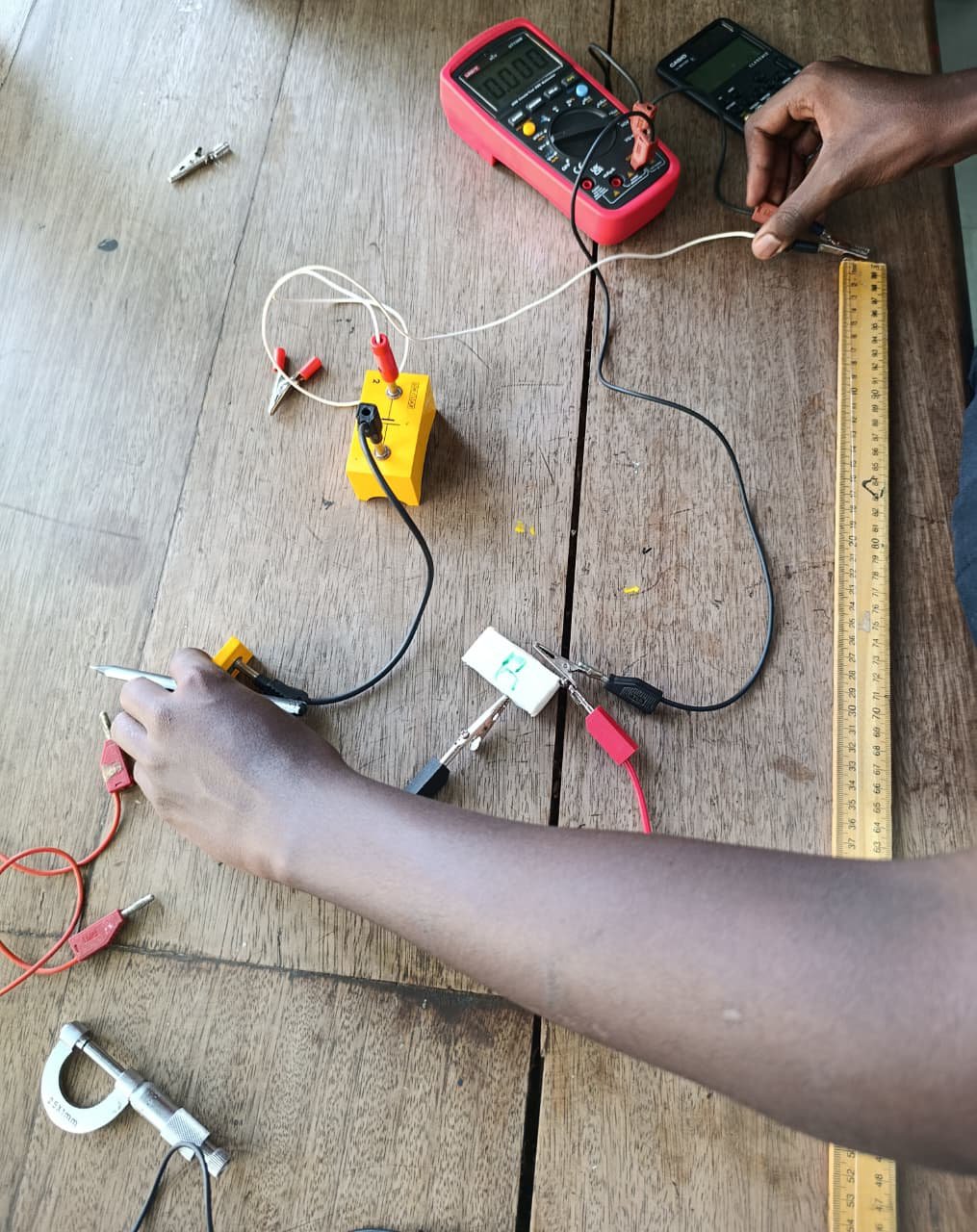
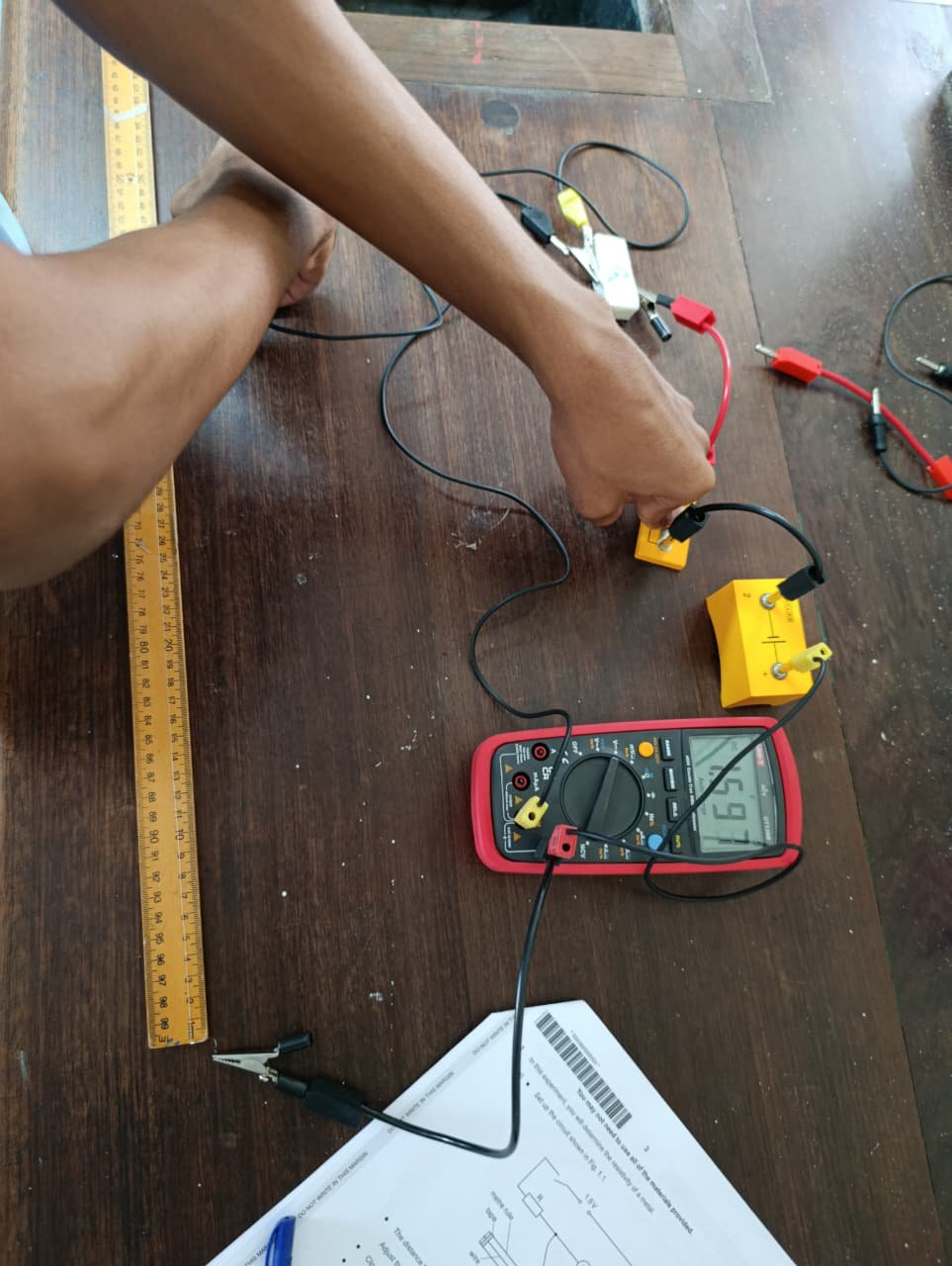
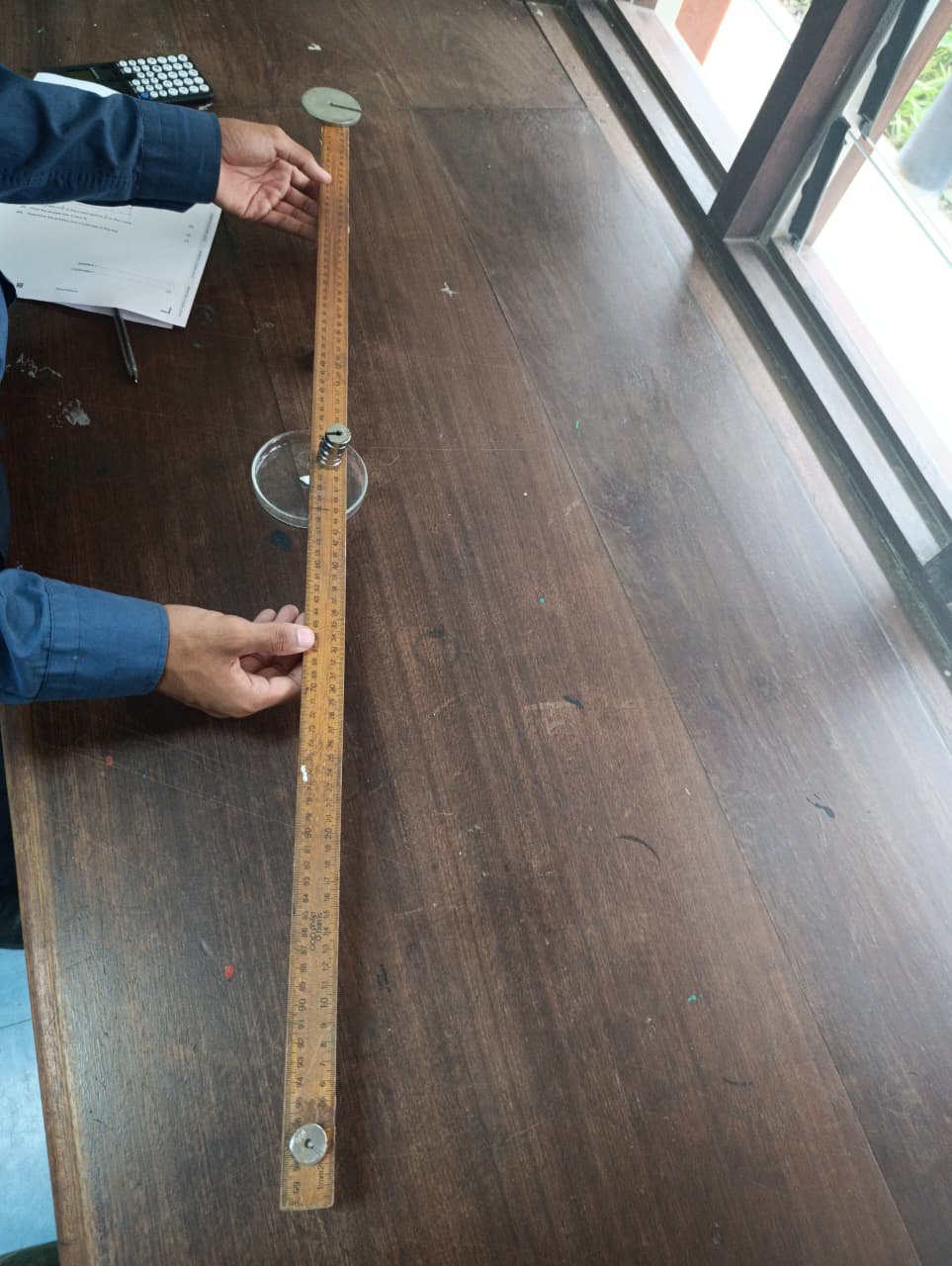
Year 12: Learning has been highly hands-on, with practical investigations in electricity, moments of a force, and the effects of forces on objects. Alongside this, students have practised exam-style questions in Paper 2 (MCQ) and theory papers to strengthen exam technique, accuracy under time pressure and confident use of key equations and units.
Year 11: We explored space physics, studying the scale of the universe and how astronomers measure vast distances using light years. Students also engaged in focused Paper 6 (Alternative to Practical) past-paper revision, correcting misconceptions, improving graph and data-handling skills, and refining practical-planning responses to meet exam standards.
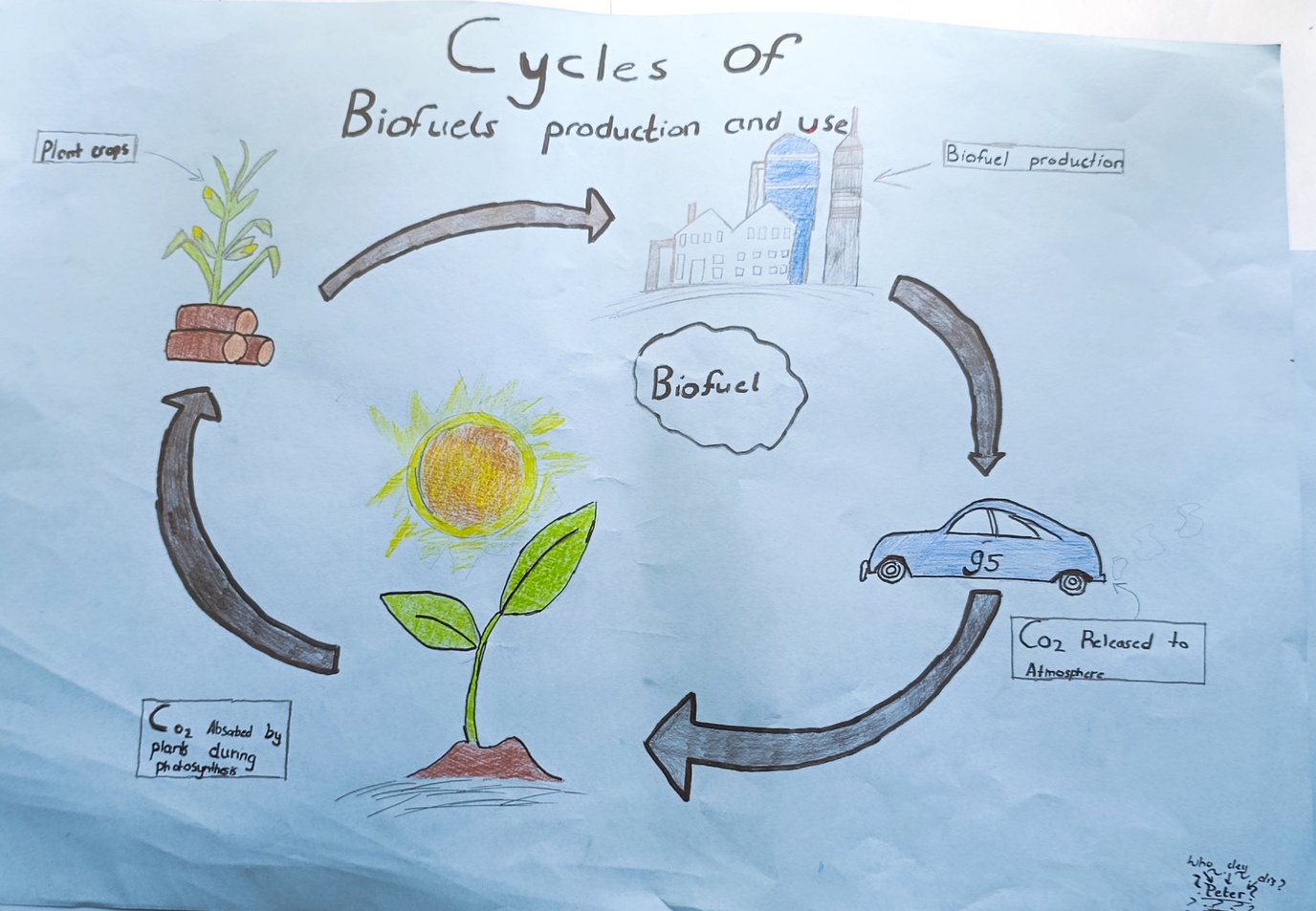
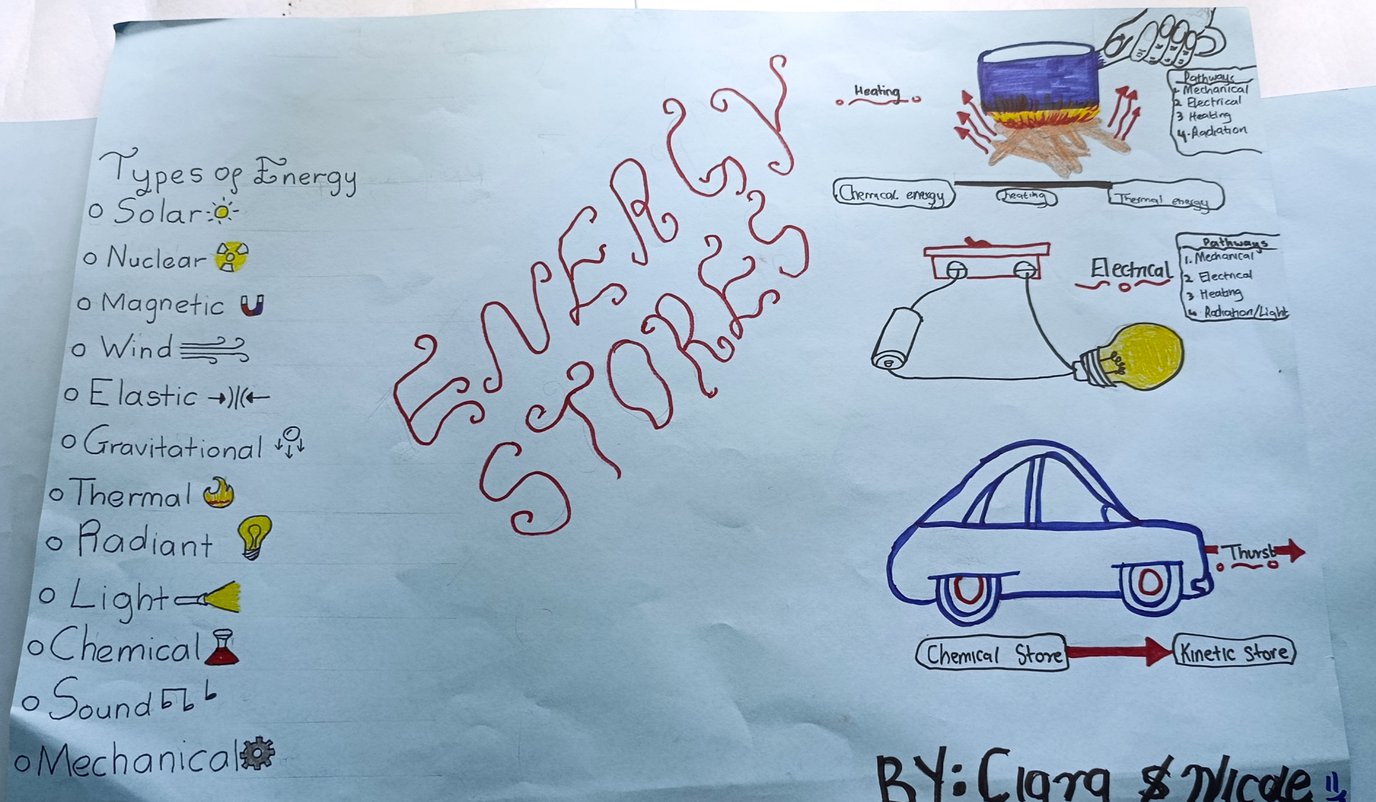
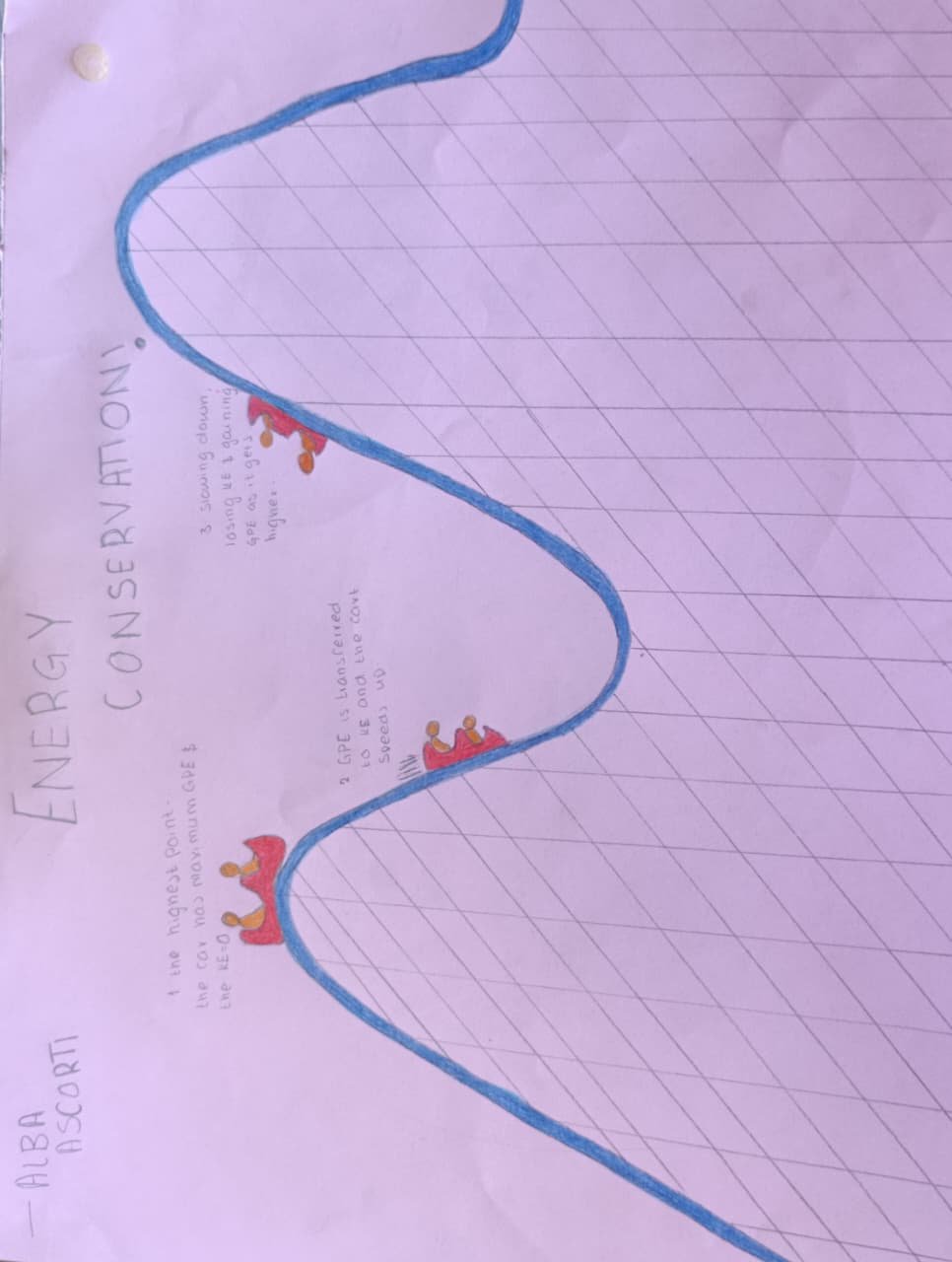
Year 10: We developed strong foundations in energy—its definition, sources, forms, and the law of conservation of energy. Imagine a world where energy could be created or destroyed… chaotic, right? This unit helps students explain everyday learning with scientific clarity, from energy transfers to efficiency.
A big well done to our students for bringing such positive energy and commitment to lessons, revision and practical work. Thank you to parents for your continued support in ensuring home-learning tasks are completed consistently. Together we are BMIS, building brilliance!
Ms Gitura
Physics Teacher