Secondary PSHE
6th February 2026
Personal, social, health and economic (PSHE) education is an important and necessary part of all pupils’ education.
PSHE education programmes equip pupils with a sound understanding of risk and with the knowledge and skills necessary to make safe and informed decisions.
The basic school curriculum and statutory guidance include drug education, financial education, sex and relationship education (SRE) and the importance of physical activity and diet for a healthy lifestyle.
Source: Department for Education, UK
Year 7 - Building Relationships
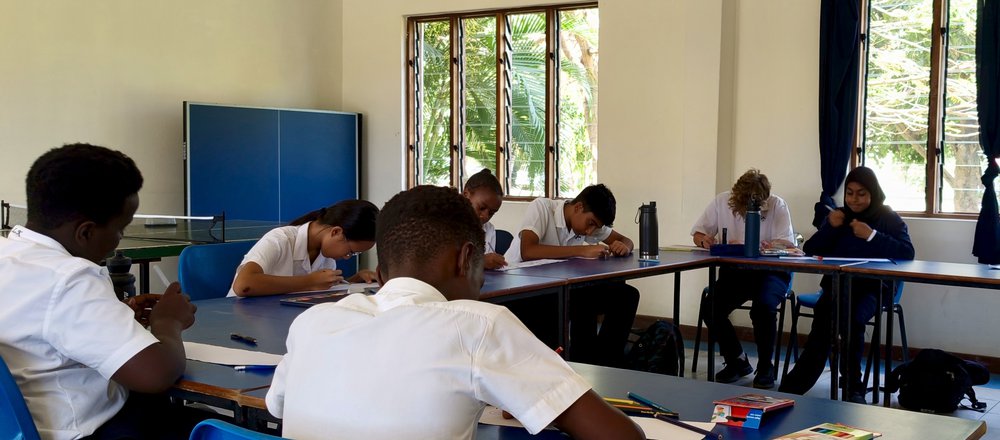
In the first half of Term 2, across five PSHE lessons, Year 7 has been exploring an important and highly relevant theme: Building Relationships. The energy in class has been fantastic, with students showing enthusiasm, creativity, and growing confidence in every discussion and activity.
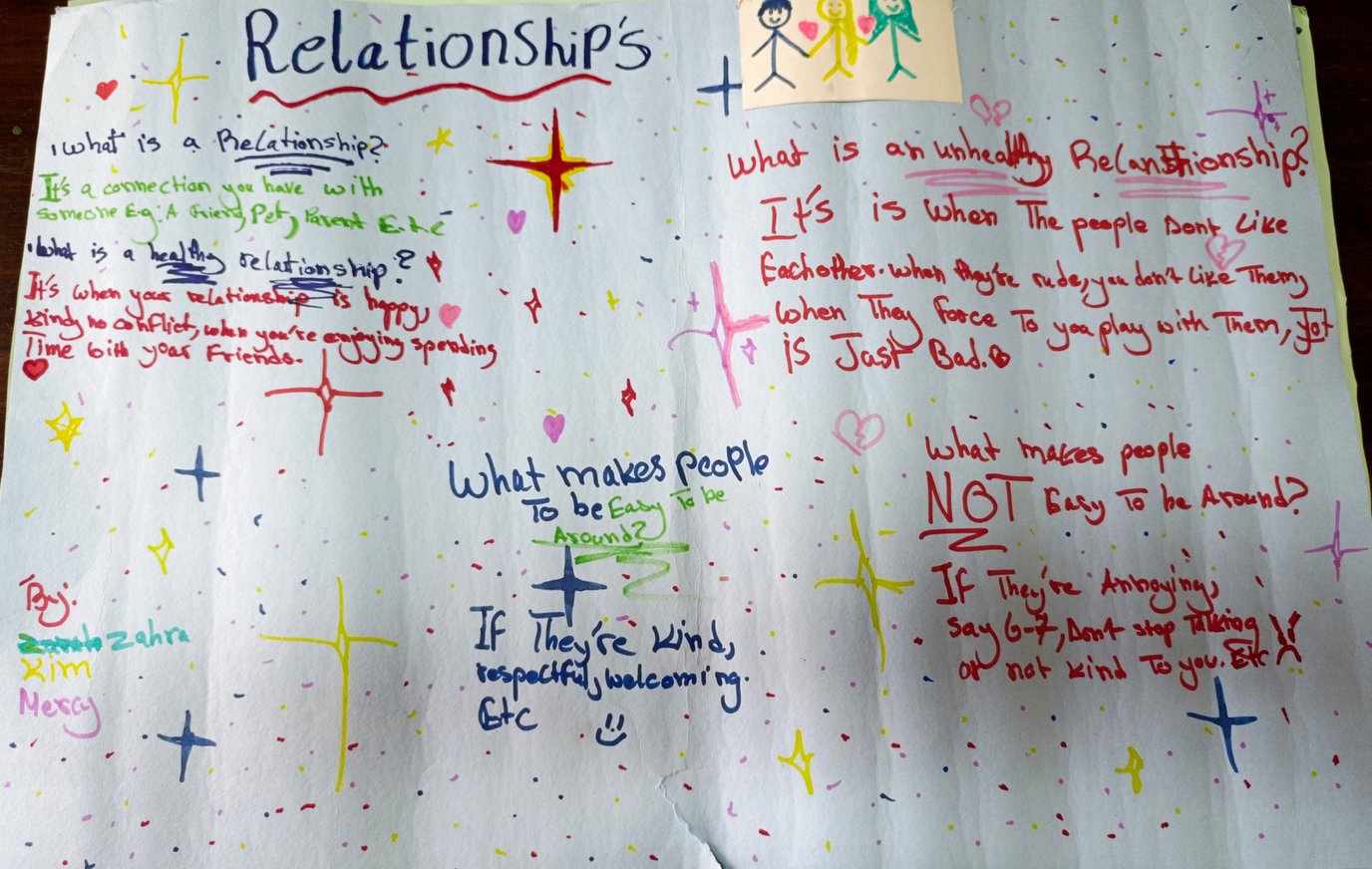
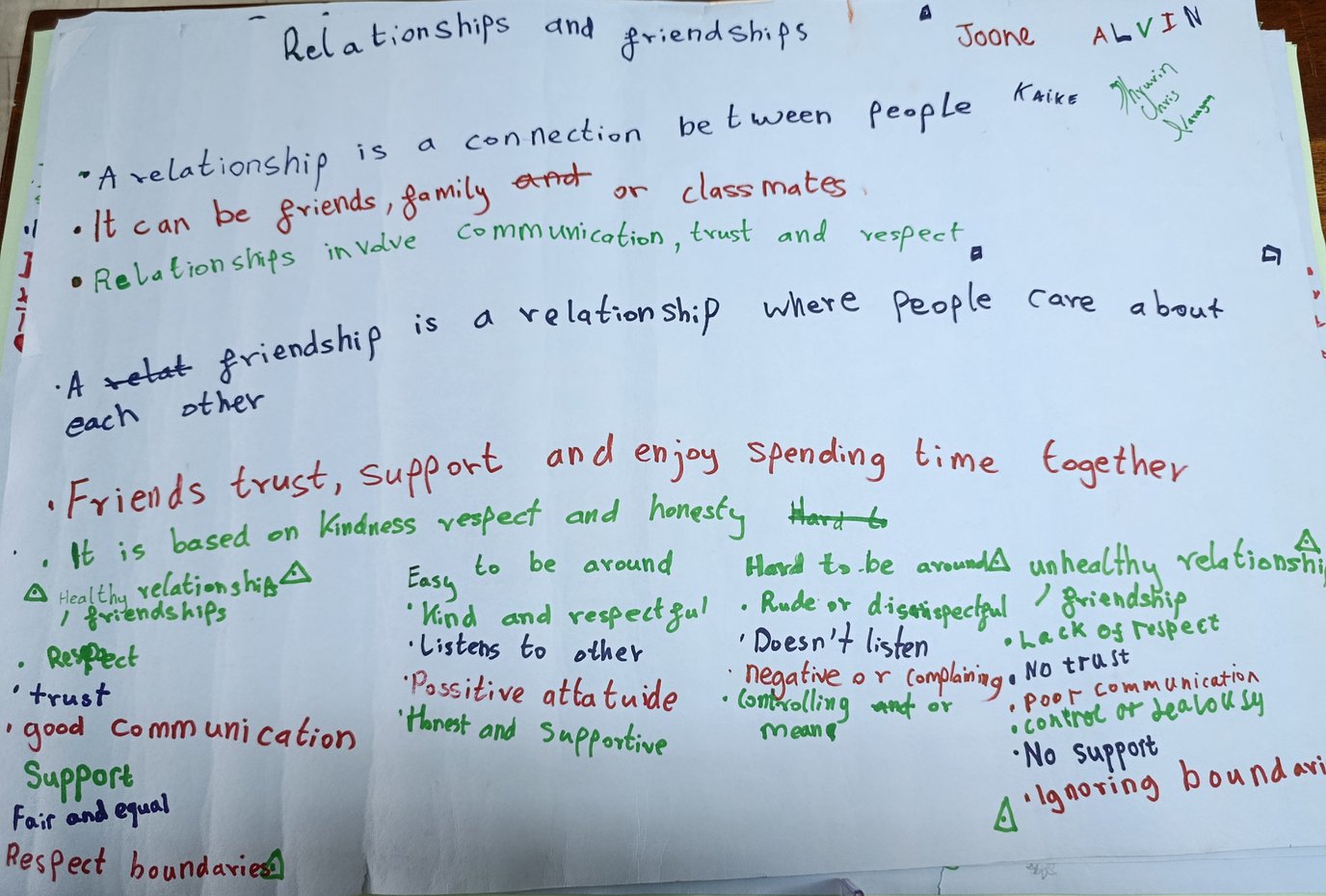
We began by defining relationships and friendships, then explored different types of friendships and what makes them healthy, supportive, and respectful. Students discussed practical ways to build strong relationships, focusing on kindness, empathy, active listening, trust, and honest communication. We also looked at other relationships in students’ lives and why boundaries matter in each one.
A real highlight was our boundary work: students used sticky notes to suggest clear, respectful boundaries needed in different relationships. We also tackled online friendships and relationships, focusing on safety, wise choices, and when to seek support from a trusted adult.
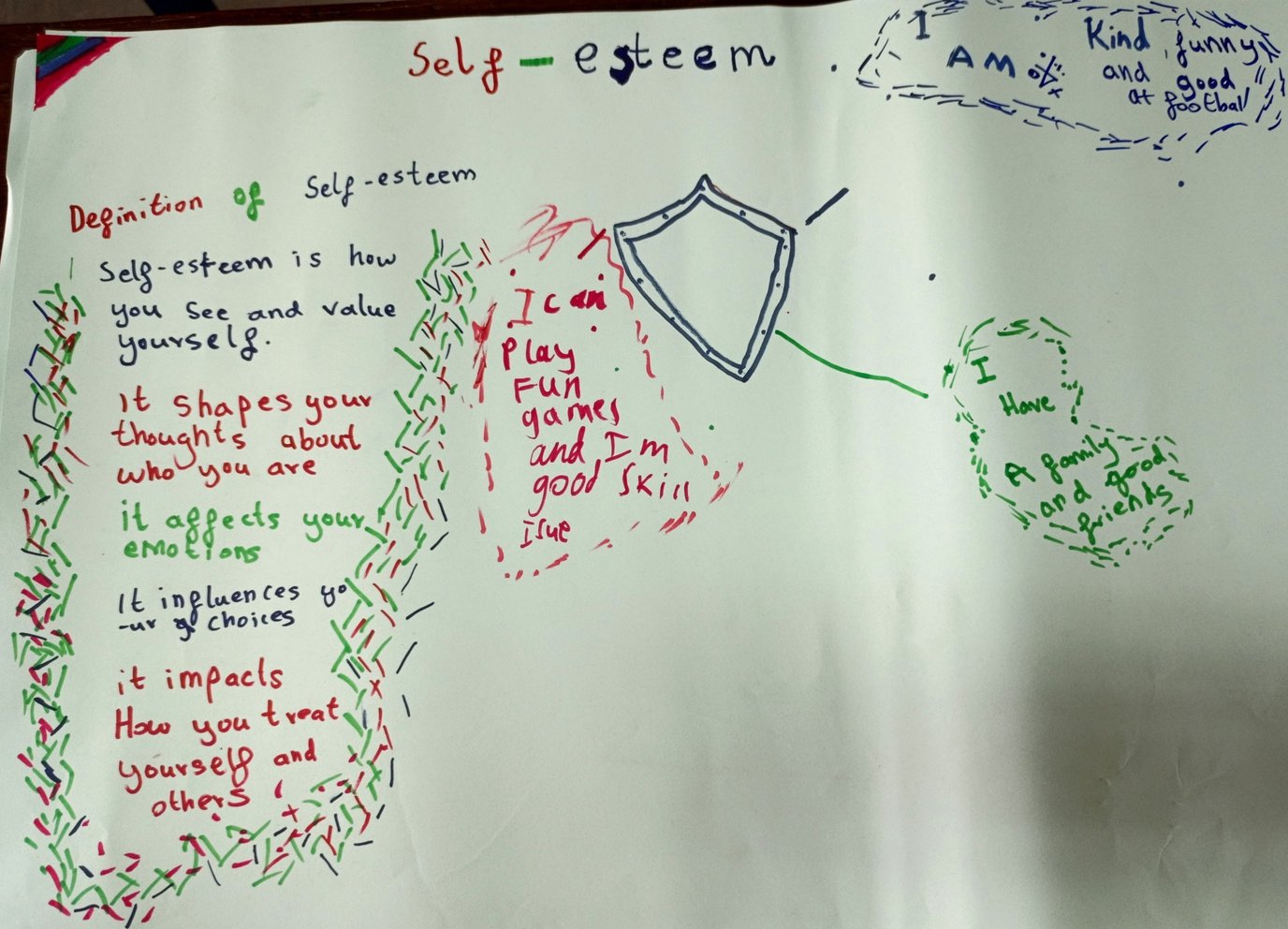
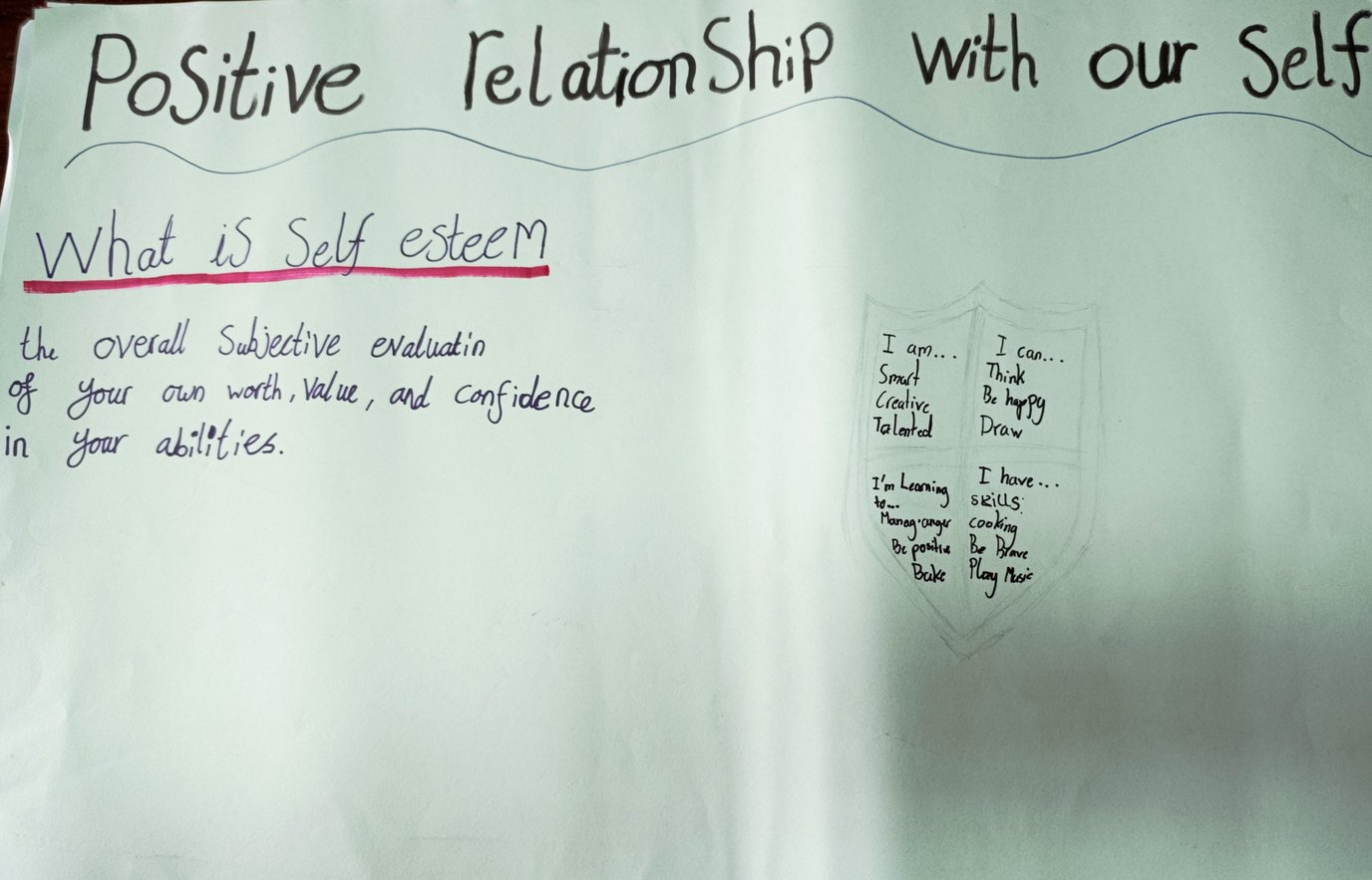
We then moved into self-esteem, exploring how a positive relationship with ourselves supports positive relationships with others. Students created a four-sided shield on manilla paper, writing:
I am… (how they see themselves),
I can… (skills they feel confident in),
I have… (what they are grateful for),
and I am learning to… (what they are improving).
This activity encouraged students to reflect, think deeply and feel proud and grateful for who they are and who they are becoming.
A big thank you to Year 7 for their excellent cooperation and thoughtful contributions throughout this unit. They shared their ideas confidently and captured them in writing in a truly beautiful way.
Ms Gitura
Year 7 PSHE teacher (Term 2a)
Year 8 - Emotional Wellbeing
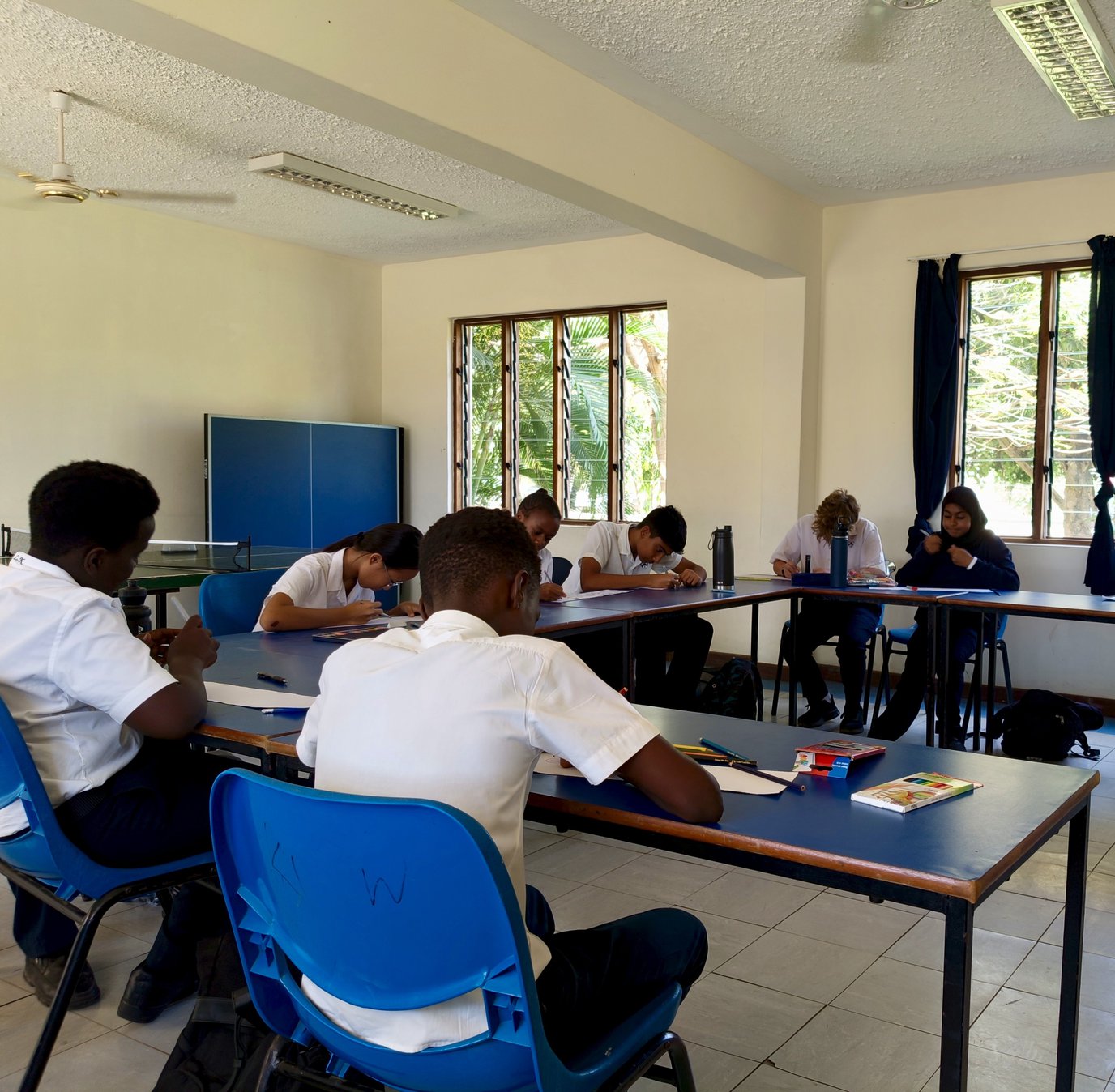
This term, Year 8 students have focused on emotional wellbeing, discovering how to understand and manage their feelings. They began by learning how to express emotions in a healthy way, using group discussions to practise talking openly rather than bottling things up. Once they understood how to identify these feelings, they moved on to practical strategies of dealing with stressful situations. They discussed and shared the different ways such as deep breathing, mindfulness, and the importance of taking breaks or exercising to clear the mind.
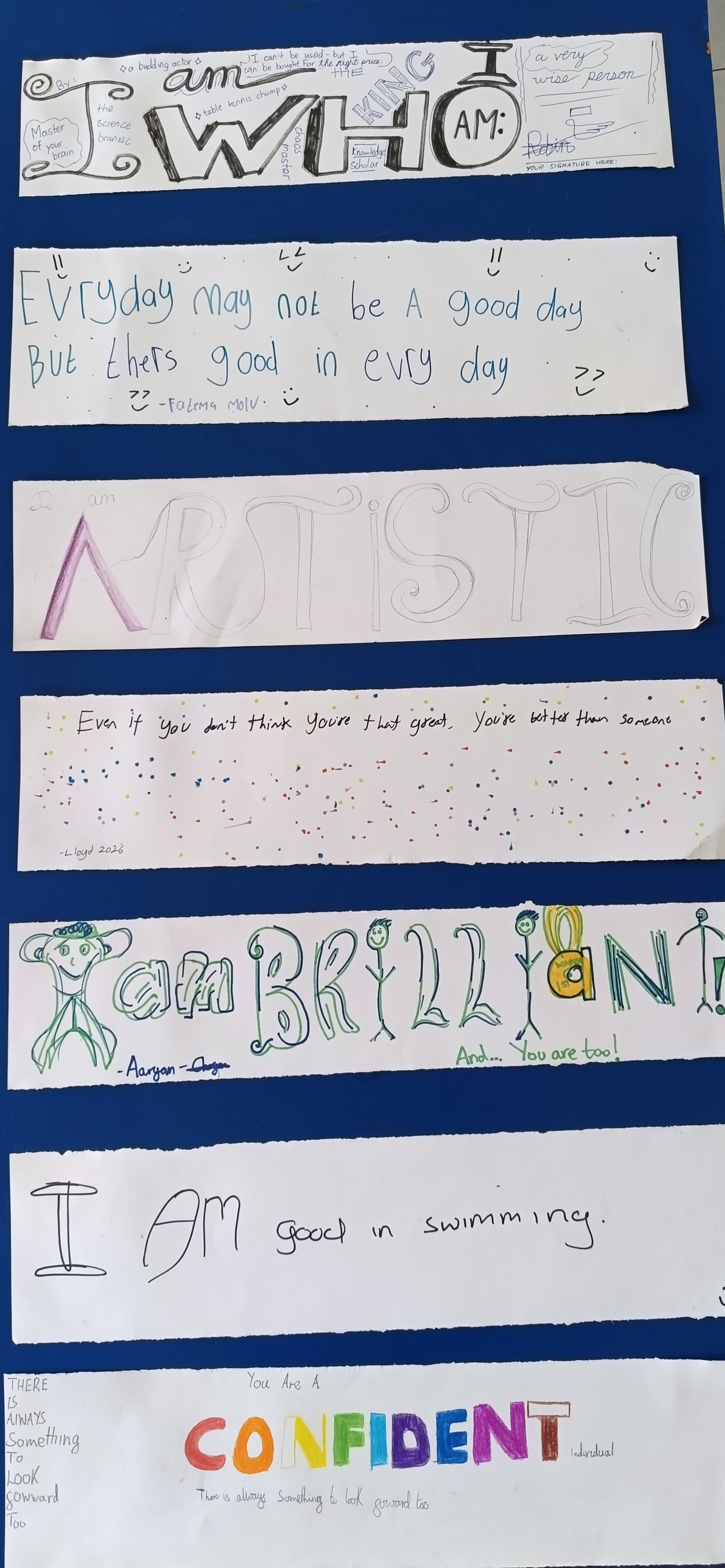
Following this, the students worked on building self-esteem and confidence. Through scenario cards, they explored "positive self talk" and identified their own personal strengths, helping them feel more confident in their own abilities and strengths. To help them handle life's challenges, the class also explored how to develop resilience. By watching videos and sharing stories, they learned how to "bounce back" from mistakes and view hurdles as opportunities to grow.
The students also tackled peer pressure and making the right choices through role play. They practised saying "no" firmly and discussed why sticking to their own values is more important than following the crowd. Finally, they looked at dealing with change, learning that feeling anxious about new situations is natural. They discussed ways to stay positive and how to ask for help from trusted adults when things feel uncertain.
Miss Barasa
Year 9 - Respectful relationships
The Year 9s started the term with a PSHE lesson dedicated to understanding how to choose their IGCSE subjects. We had the privilege of meeting Alex Manning, the Group University Admissions Manager, online for a presentation and questions and answers session. The Year 9 students were praised for their thoughtful questions that showed they had already considered future pathways.
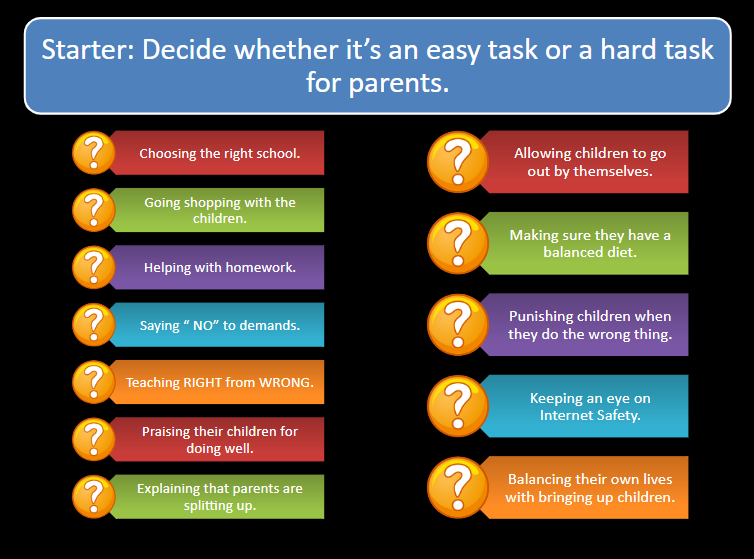
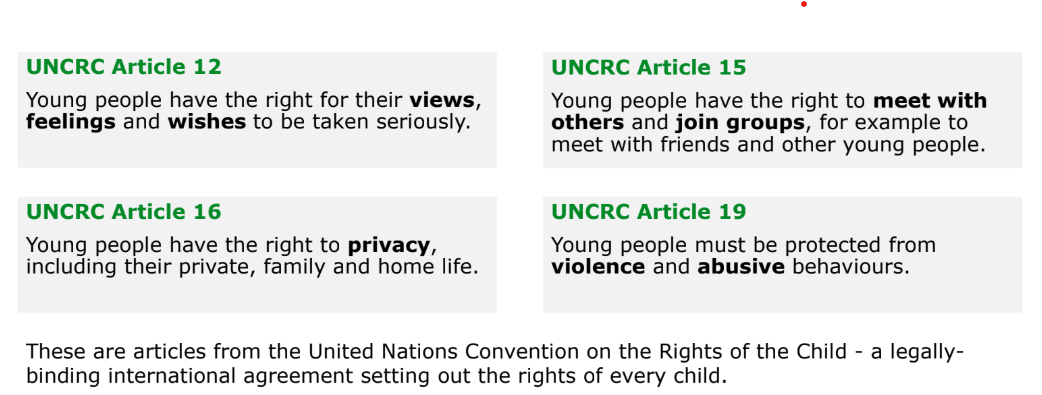
We then began our main topic on healthy relationships and studied parenting and families first. The students were asked to consider various statements about parenting and decide whether it was easy or difficult to raise a child and why. Following that session we talked about the different types of families and how they have evolved over human History. Positive words and descriptions were shared spontaneously when talking about families and relationships within families but we also explored how in some families relationships could be toxic and problematic. This led to studying friendships and romantic relationships and what the characteristics of healthy and unhealthy relationships are. We ended the term talking about consent and conflict resolution.
PSHE lessons are highly interactive and allow students to share their views and learn from each other. They are a crucial part of the curriculum as they enable us to educate the students to make safe and informed choices.
If you, or someone you know, is going through a difficult time, please speak to a trusted adult or call 116 Childline Kenya.
Mme Mwangi
Year 10 - Preparing for Work Experience Week
Our Year 10 students are currently preparing for their upcoming Work Experience Week, which will take place next term as part of the school’s careers education programme at Braeburn Mombasa International School. This valuable initiative gives students the opportunity to spend a week in a real workplace, helping them gain first-hand insight into different careers and professional environments.
Work experience is an important part of work-related learning. It allows students to explore potential career paths, understand workplace expectations, and begin developing the skills needed for a successful transition from school into further study or employment. It can also be extremely helpful when applying for university courses, apprenticeships, or jobs, particularly in fields such as teaching, medicine, journalism, business, and many others.
How does it work?
At Braeburn Mombasa, we work closely with parents, alumni, and local businesses to secure suitable placements for students. The school also supports students through preparation sessions covering professional conduct, communication skills, and health and safety expectations to ensure they are ready to make the most of the experience.
What do students gain?
- Real-world experience in a professional setting
- Greater independence, confidence, and responsibility
- Opportunities to develop key employability skills
- Insight into possible career paths and future aspirations
- In some cases, opportunities for holiday or part-time work if they make a strong impression
While the week away from school is exciting, students often discover that workplace routines can mean earlier starts, longer days, and new responsibilities, all part of the authentic experience!
Supporting Our Students
Students receive guidance throughout the application and preparation process during their PSHE lessons this term. However, we warmly welcome any support from parents or members of the school community who can offer placements or professional contacts within Mombasa and Kilifi. Such partnerships greatly enrich this programme and help our students benefit from meaningful, real-world learning experiences.
L. Mkok
Year 11 - Communication in Relationships
Building confident communicators, respectful relationships, and a safer school community.
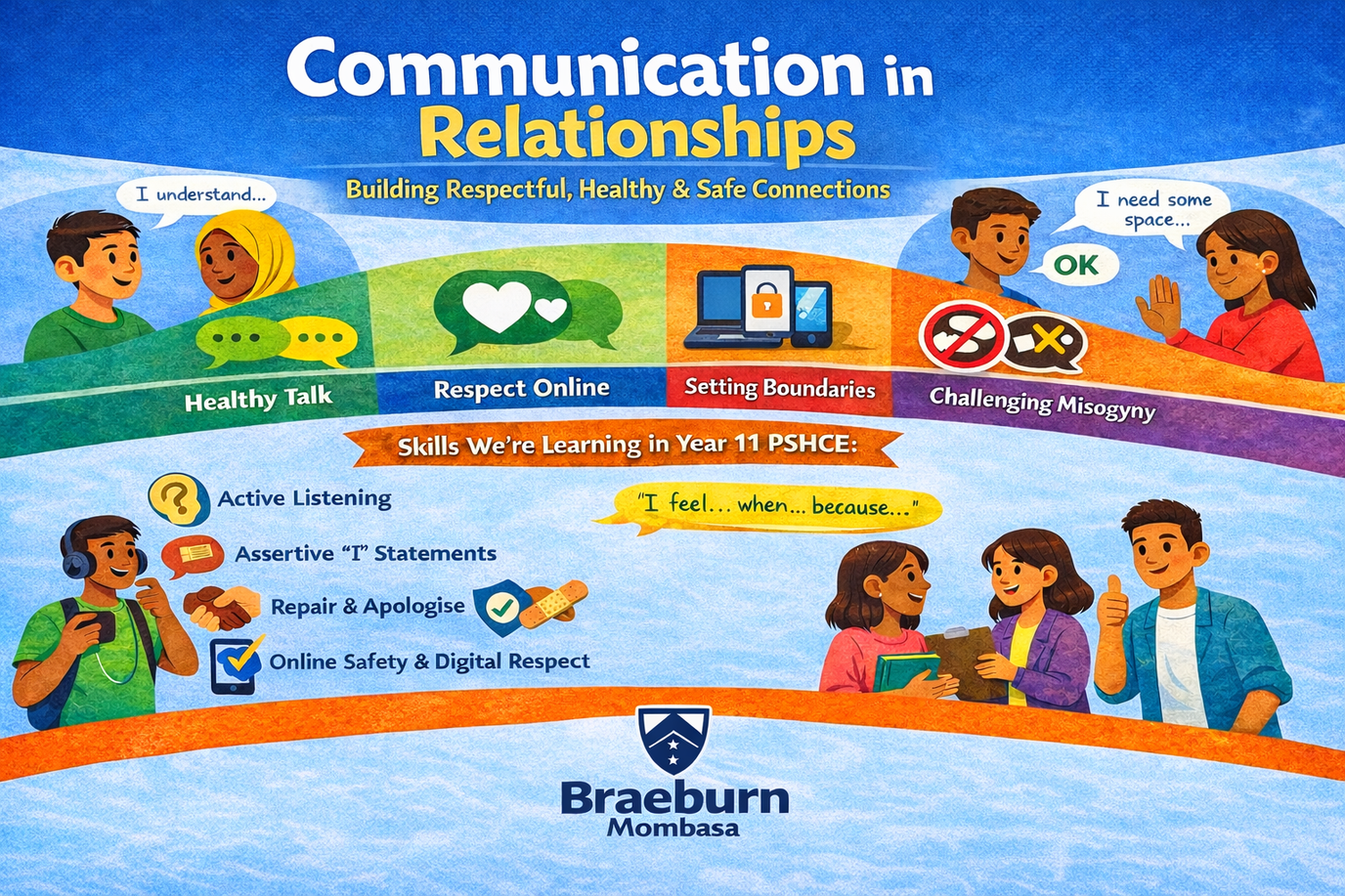
In the first phase of Term 2, our Year 11 students are focusing on an essential life skill that supports success in school and beyond: communication in relationships. Whether in friendships, family relationships, group work, or dating relationships, the ability to communicate clearly and respectfully helps young people manage conflict, protect their wellbeing, and build healthy connections.
At Braeburn Mombasa, PSHE is designed to be practical, relevant, and student centred. This unit gives learners the language and strategies to communicate needs, handle pressure, and make safe, respectful choices, both offline and online.
Students are developing skills in:
- Healthy communication: What respectful communication looks like and sounds like, and how to recognise healthy and unhealthy patterns, including grey areas that depend on context.
- Active listening and calm conflict management: Listening to understand, using de-escalation strategies, and learning how to repair after conflict through apology, responsibility, and agreed next steps.
- Assertiveness and boundaries: Communicating wants and needs clearly using I statements, setting boundaries respectfully, and responding to pressure and controlling behaviours without escalation.
- Online communication and digital respect: Understanding privacy and consent online, recognising red flags in digital communication, and knowing safe next steps and help seeking routes.
- Challenging harmful attitudes: Exploring how harmful language and stereotypes, including misogynistic attitudes, can shape behaviour, and practising safe ways to challenge disrespect and support peers.
Year 11 is a demanding year academically and socially. Strong communication skills help students:
- Work better in teams and manage disagreements.
- Express needs and limits confidently.
- Recognise unhealthy patterns early.
- Seek support for themselves or a friend when something does not feel right.
- Build emotional maturity that supports life beyond school.
How families can support at home
A few simple conversations can reinforce learning:
- What does respectful communication look like to you?
- What is a good way to disagree without escalating?
- What would you do if someone pressured you online?
- How would you support a friend who felt uncomfortable or unsafe?
Even modelling calm conflict resolution at home, listening, pausing, and repairing, makes a real difference.
Support and safeguarding
Students are reminded that they can speak to a trusted adult in school, their tutor, the school counsellor, or our Designated Safeguarding Leads if anything worries them. We encourage help seeking and reinforce that support is always available.
We are proud of the thoughtful discussions and mature engagement Year 11 have shown so far. This unit is about giving students practical tools, language, boundaries, and confidence, to communicate respectfully and build healthy relationships in every part of their lives.
Mr Nyabuto
Head of Humanities


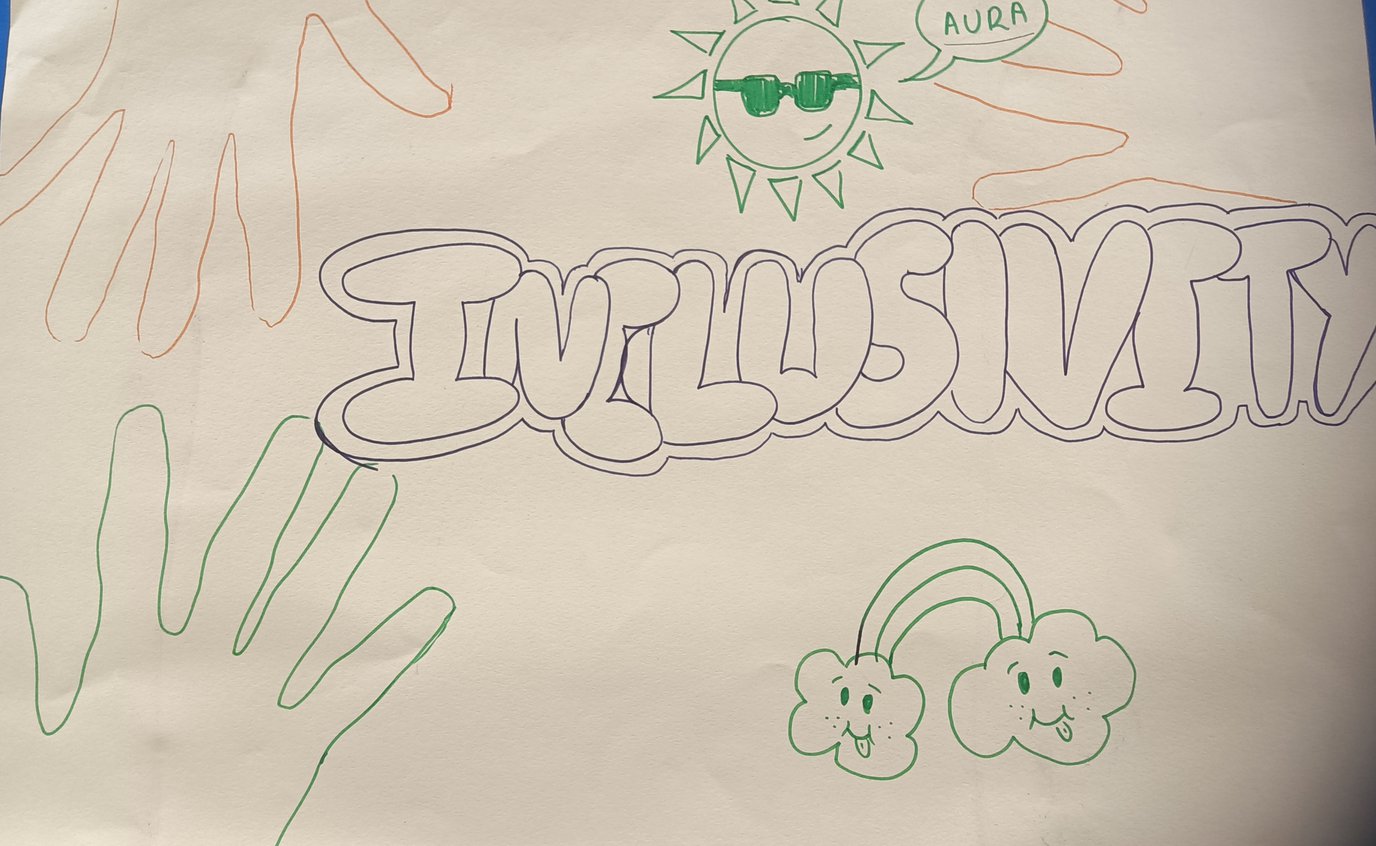
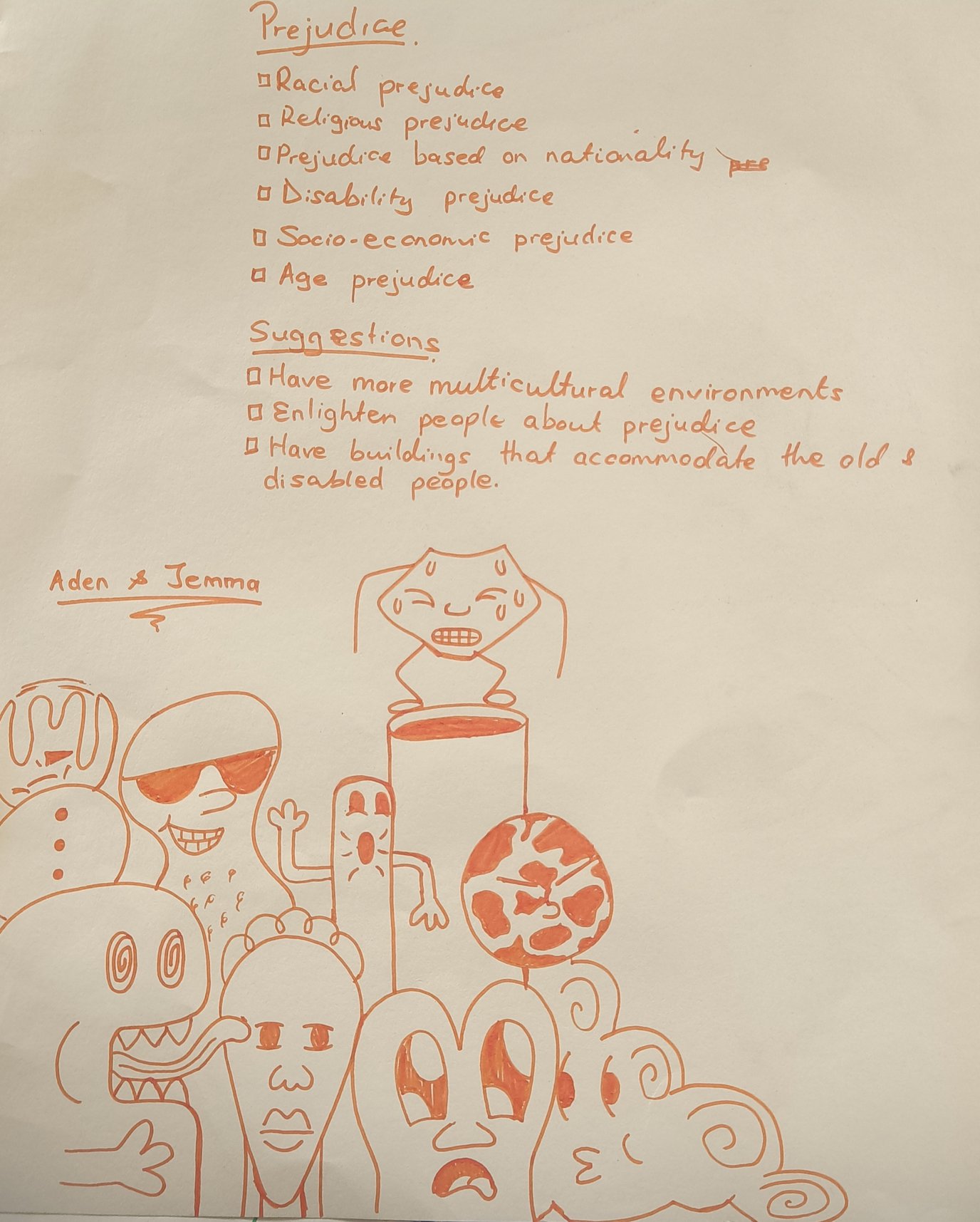
Year 12 - Diversity and inclusion
Year 12 students explored the themes of diversity and inclusion, focusing on understanding, respecting, and valuing differences. Through discussion and reflection, they learned that inclusion goes beyond tolerance and requires empathy, respectful language, and thoughtful actions. The lessons highlighted diversity as a strength and helped students develop skills to build fair, welcoming communities in their future studies, workplaces, and society.
Year 13 - Spotlight: Healthy Relationships
Our Year 13 students have been an absolute pleasure to work with this term. We explored the topic of healthy relationships by identifying their key characteristics and clearly distinguishing them from toxic relationships. Students examined the core principles that should guide healthy relationships and discussed the concepts of consent and respect where they overlap and where they differ.
We also focused on navigating conflict in relationships and collectively agreed that communication is the most effective way to resolve disagreements. Students reflected on the importance of choosing respectful communication over the need to be “right.”
The role of social media in relationships sparked particularly engaging discussions. Many students highlighted the pressure to portray an “ideal” relationship online and how this can be harmful and unrealistic.
In addition, we explored love and attraction, with a strong emphasis on self-love. Students learned that self-love involves self-care, personal growth, and making choices that help them become better versions of themselves each day. They also reflected on the importance of never allowing anyone to make them feel small, trapped, or unvalued in the name of love. Healthy relationships, they concluded, should be mutual, joyful, and based on appreciation.
To conclude the half term, our final week will focus on attraction versus intimacy, as well as sexual health and intimacy, ensuring students are equipped with age-appropriate knowledge and understanding.
Ms Oira