Secondary Gallery
25th April 2026
Biology
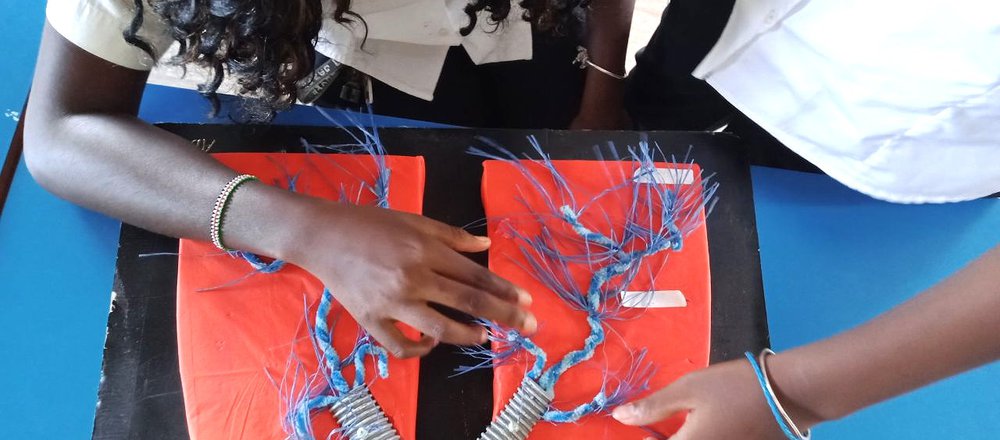
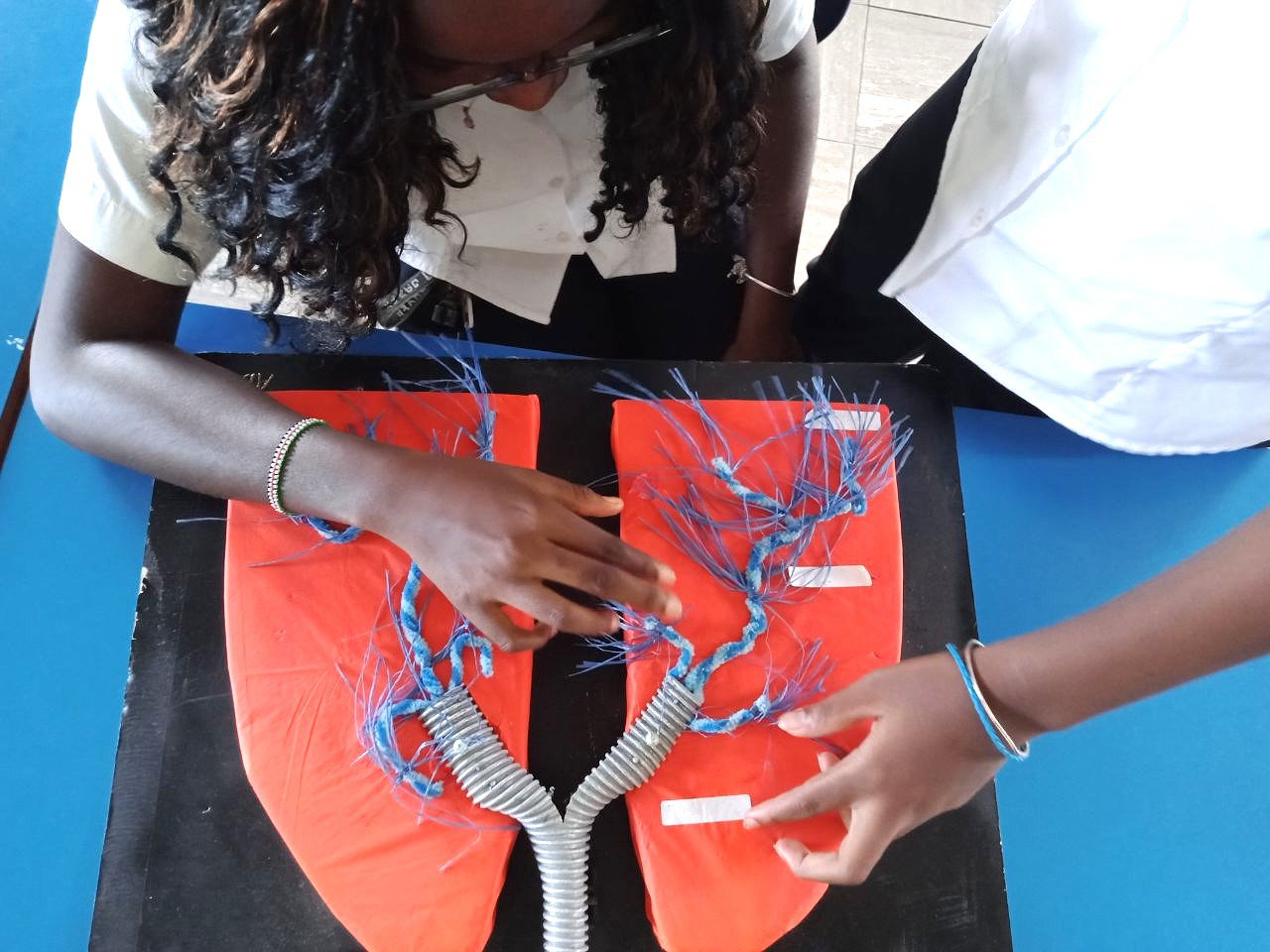
Year 10 Biology students have stepped into Term 3 with an exciting exploration of gas exchange, embarking on unpacking how the respiratory system is perfectly designed to keep the body supplied with oxygen while removing carbon dioxide. From identifying the features of efficient gas exchange surfaces to comparing inspired and expired air, investigating breathing during physical activity, and understanding the roles of the intercostal muscles, tracheal cartilage, and pressure changes in the lungs, learners have started the term with curiosity, sharp scientific thinking, and strong engagement. It has been a brilliant start that is already bringing textbook biology to life in meaningful and memorable ways.
Science fact: Your lungs take around 20,000 breaths a day, working continuously to keep every cell supplied with oxygen.
Abel Morang’a
Business
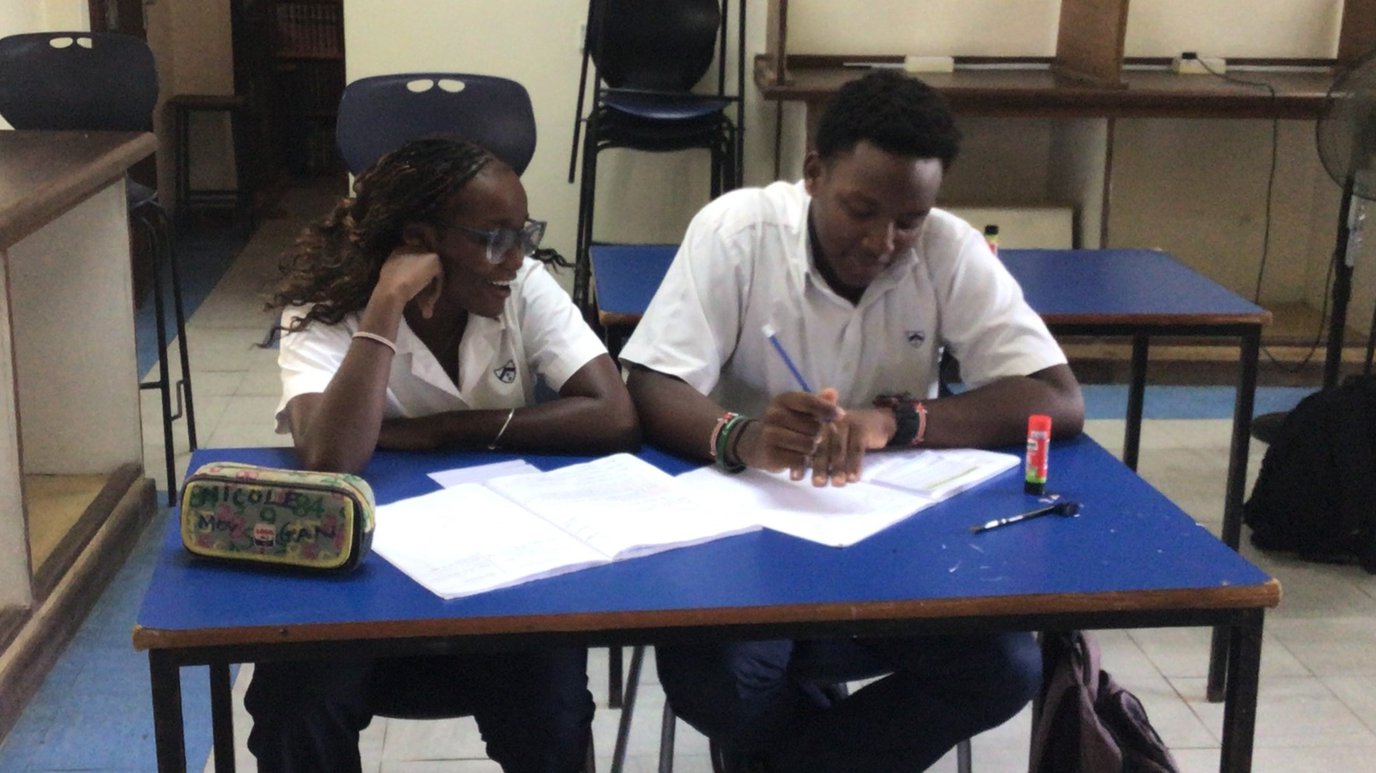
It’s been wonderful to see our students actively engaging in their learning, as captured in this moment of collaboration and reflection. During our recent Business lesson, learners revisited their educational trip to Pwani Oil, discussing and analysing how the company segments its market to meet the needs of different consumers. Through thoughtful discussion and teamwork, students were able to connect real-world experiences to classroom concepts, deepening their understanding of marketing in action.
Ms Omondi
Creative & Calculated: In Computing
It’s been a busy week in Computing!
- Year 8 are stepping into the role of graphic designers, mastering colour and shape tools to craft logo designs.
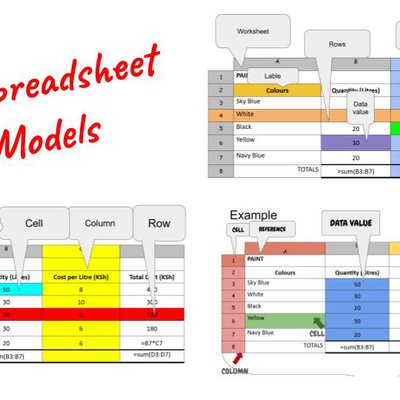
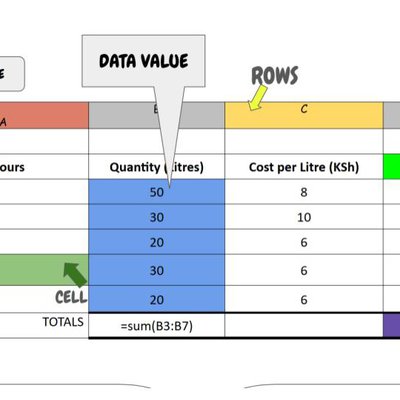
- Year 7 are becoming data experts, building spreadsheet models to test scenarios and automate calculations.
From artistic flair to analytical logic, our students are proving that Computing is the perfect blend of imagination and intelligence.

English
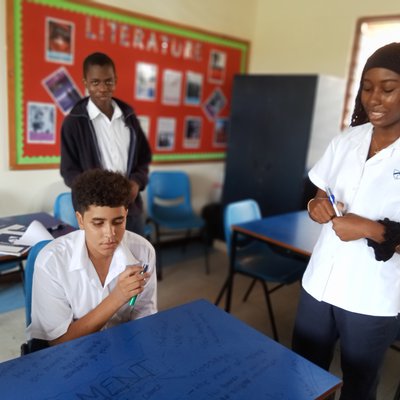
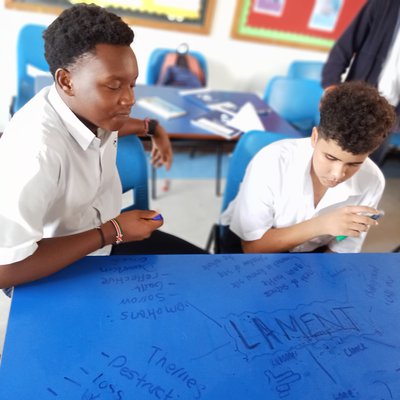
"What was the best thing that happened to you this week?"
It might be a good grade, a fun interaction with a friend, a great moment in a game, or even a nice piece of cake in the cafeteria! Whatever it is, acknowledging it can bring positive energy to your day. Have a Gratitude break !

French
“Jamais la langue française n’a compté autant de locuteurs.”
This is the key information to take away from the 2026 report on the French Language in the World by the Organisation Internationale de la Francophonie.
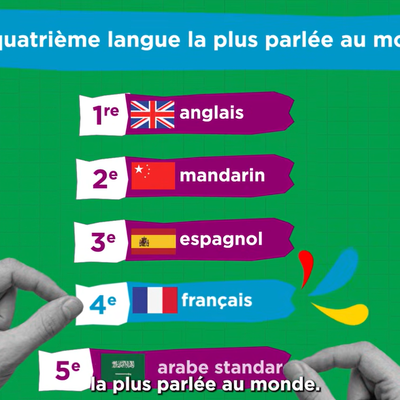
It is the 4th most used language on the internet and the 3rd most used language in the fields of economics and business. 396 million people will speak French in 2026.
It is now the 4th most spoken language in the world.
Summary of the report: La langue française dans le monde (2026)
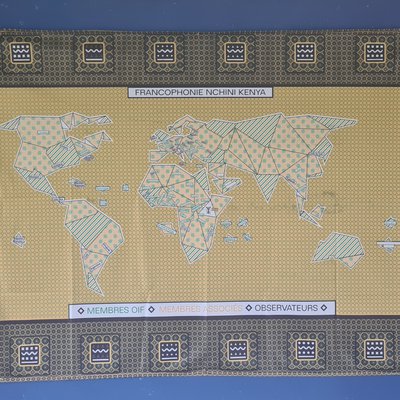
The Year 9 students used the map of the Organisation Internationale de la Francophonie displayed in the classroom to create a game of Top Trump. For each country they chose categories such as population, birth rate, size, geographical features, etc. Once the cards were created they were able to play their own game.
Mme Mwangi
Geography - Year 7


KS3 Geography
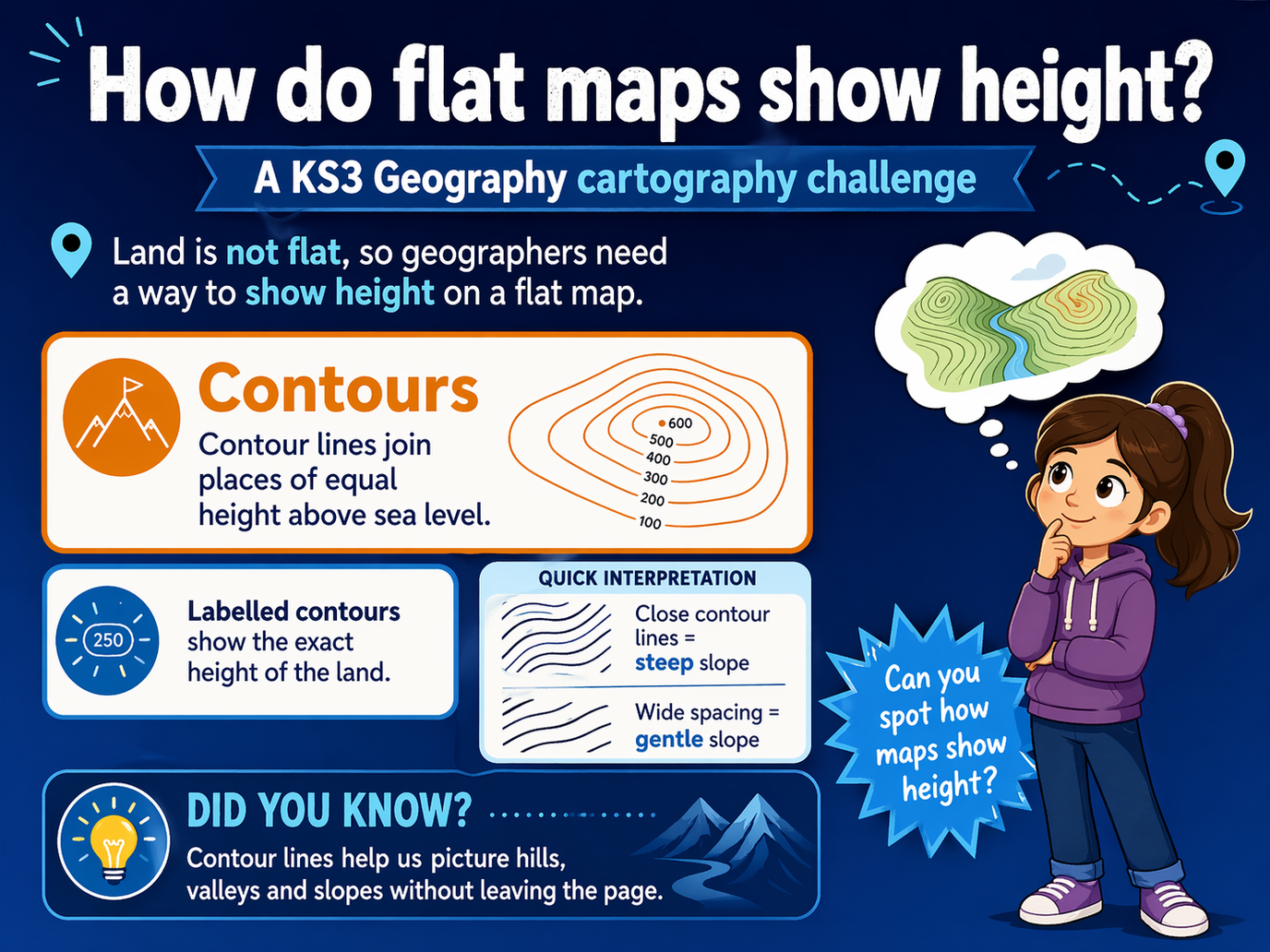
How do flat maps show hills, valleys and steep slopes?
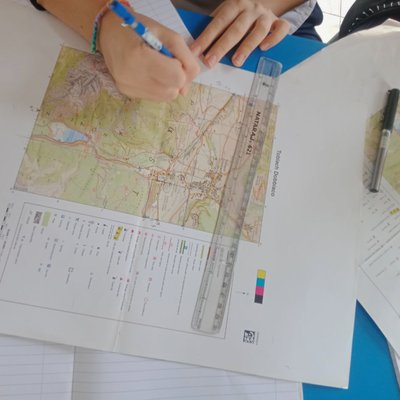
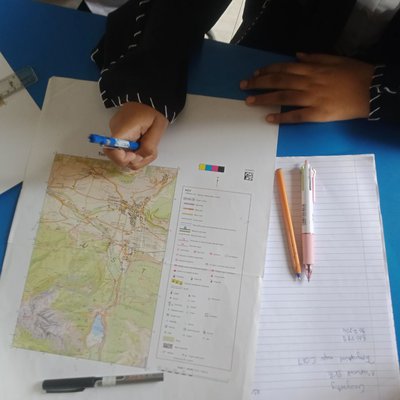
Meet our little map thinker, asking a brilliant geography question: “If maps are flat, how do they show height?” The answer is contours. Contour lines are curved lines on a map that join places of the same height above sea level. When these lines are close together, the land is steep; when they are far apart, the slope is gentle. Some of these are labelled contours, which means the exact height is written on the line to help map readers interpret the landscape more accurately.
KS3 Geography has started Term 3 with energy and curiosity as students sharpen their cartographic skills through grid referencing, directions, bearings and contour interpretation.
Did you know? Every contour line connects points of equal elevation, helping us “see” the shape of the land without leaving the page.
Abel Morang’a
KS4 Geography
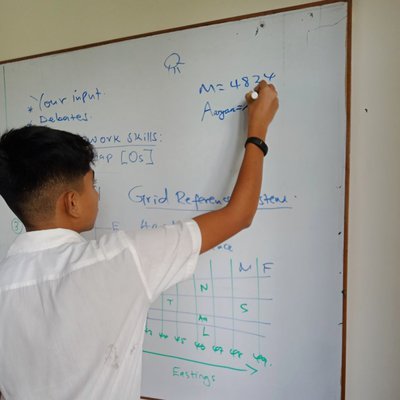
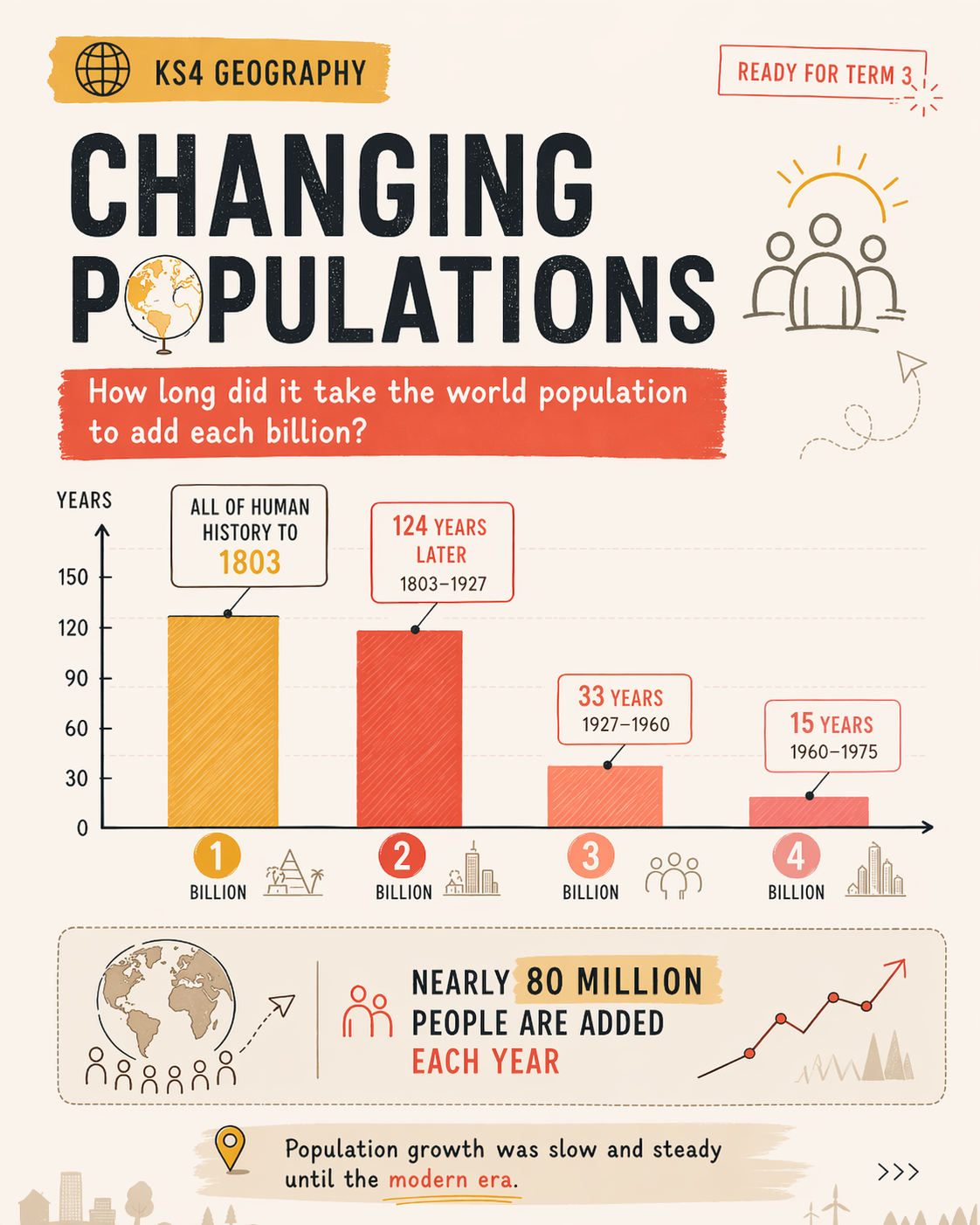
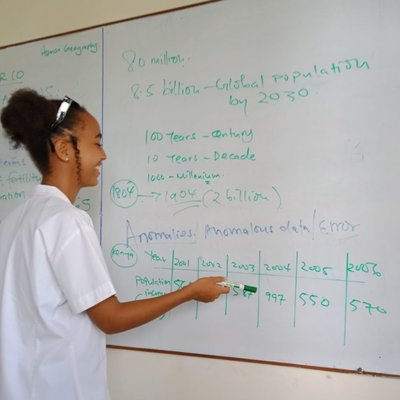
KS4 Geography has launched Term 3 with sharp thinking and global perspective as students explored Changing Populations, tracing how the world’s population has grown by each additional million and using data-handling skills to calculate and interpret anomalies with precision at the centre of their learning. It was an excellent start to the term, with students showing confidence in reading trends, questioning unusual figures and linking population change to wider geographical understanding.
Did you know? Although the world’s population is still increasing, the rate of growth has slowed significantly, falling from about 2% in 1970 to under 1% by 2022, and the United Nations predicts that global population may stabilise at around 11 billion by 2100 - a powerful reminder that Geography helps us understand not just where people live, but how our world is changing over time.
Abel Morang’a
History
History: A Vibrant Start to the New Term
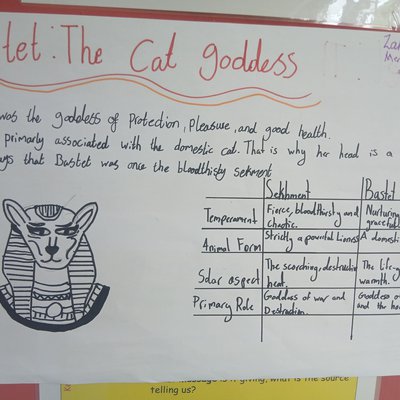
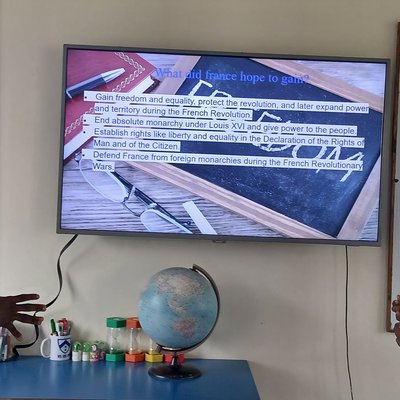
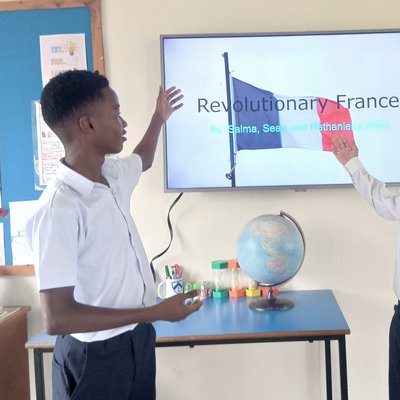
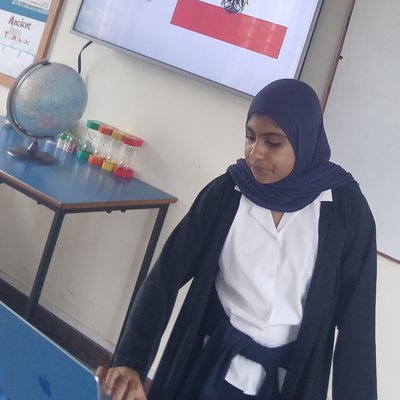
Our History learners have opened the new term by investigating revolutionary France and reflecting on how ideas, leadership, and conflict shaped change in Europe. We look forward to a meaningful term of inquiry, debate, and historical discovery.
Mr Nyabuto
Mathematics
It is important to remember that Mathematical ability must be developed through practice. Whatever ability you start with, you can nurture it and become far more able if you have a growth mindset and positive attitude to learning. Similarly, being born with ability is not enough, if you do not nurture it you will fall behind those willing to work.
You can read the article on this from last term if you want to know more.

Music
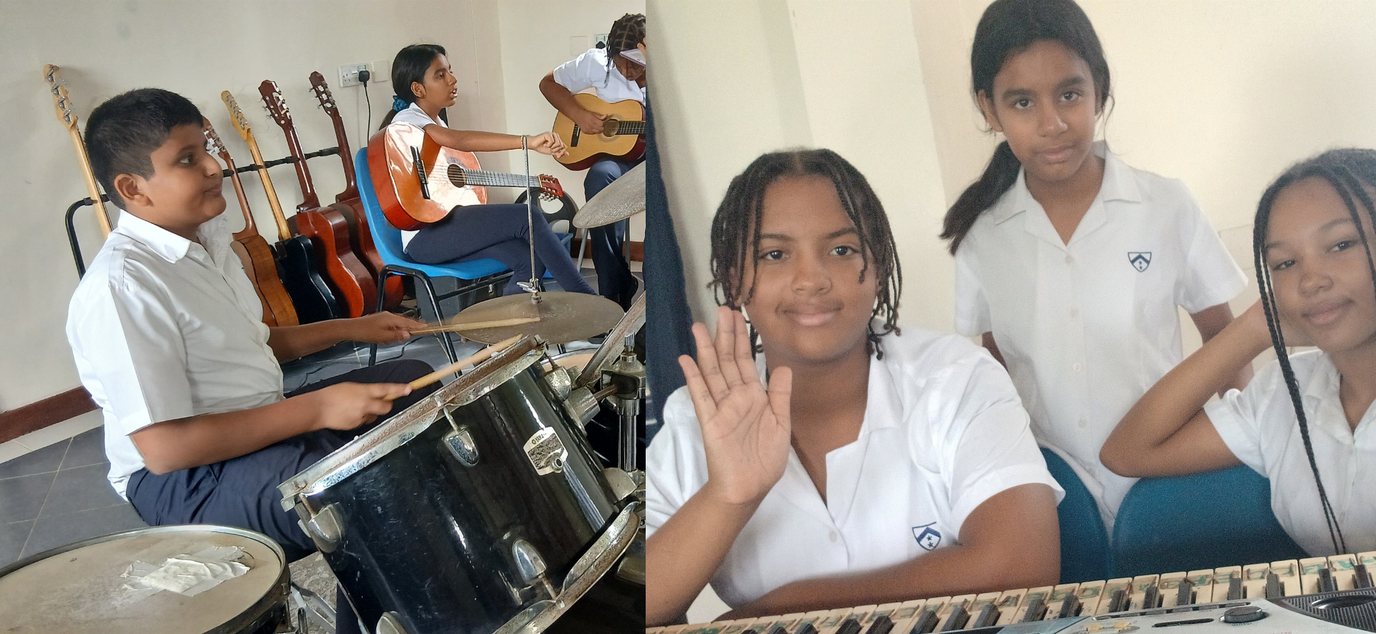
Where creativity meets sound.
We begin the new term full of excitement and ready to make music! With a range of inspiring new after-school clubs, including orchestra and band, students have wonderful opportunities to explore their talents and let their creativity flourish.
Ms Kihuha
KS4-5 PHYSICS
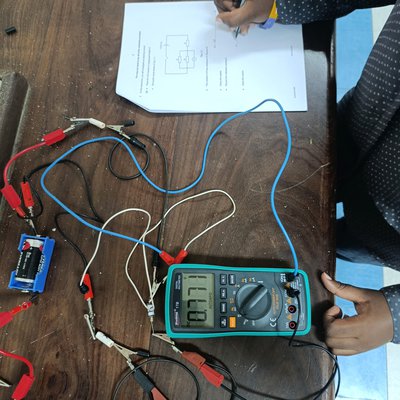
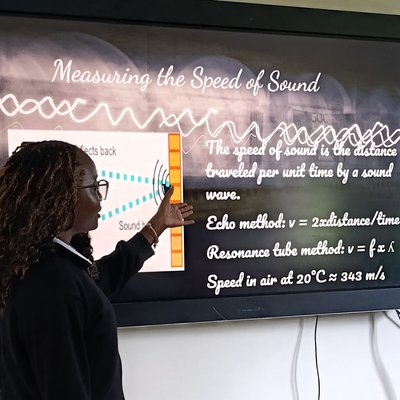
Year 10 Physics students made a strong and purposeful start to Term 3. Students’ presentations on different topics such as waves demonstrated strong knowledge and growing confidence in their learning. Year 11 and 13 students focused on their Paper 4 theory paper revision. Year 12 have been refining their practical skills with particular emphasis on electrical circuits.
Ms Gitura
Physics Teacher.
YEAR 9 SCIENCE
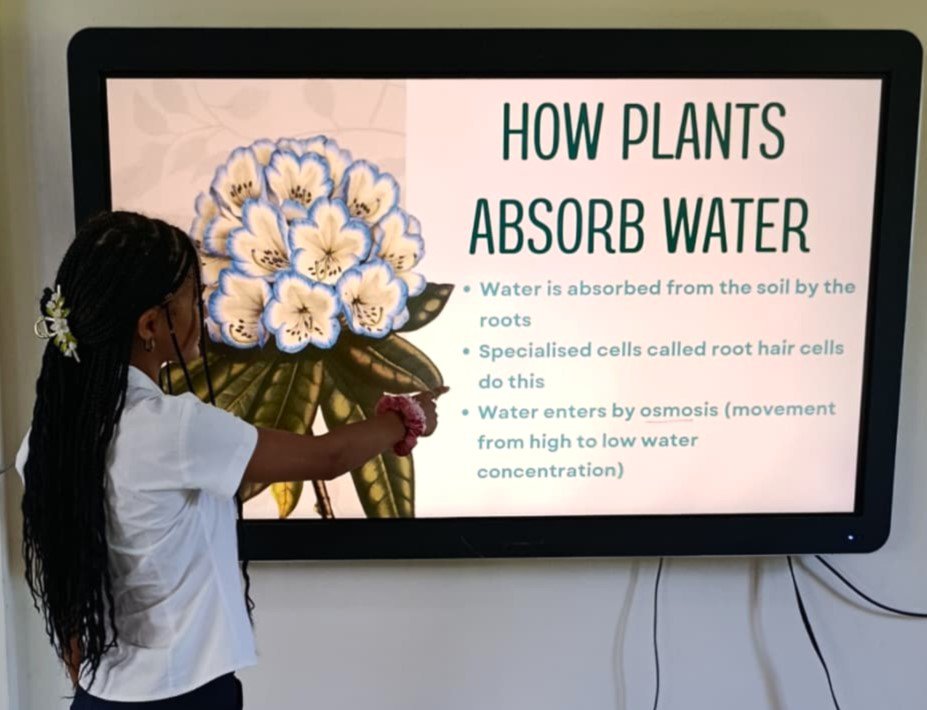
Term 3 begun with great enthusiasm, as students returned ready to learn and participate actively. In Science, our learners confidently presented a topic on plants and water to their peers. This was a pleasing reflection of growing confidence, preparation and subject understanding. It was wonderful to see such positive engagement which set a strong and encouraging tone for the 10 weeks ahead.
Lucy Gitura
Year 9 Science Teacher
Sociology
A Thoughtful Start in Sociology
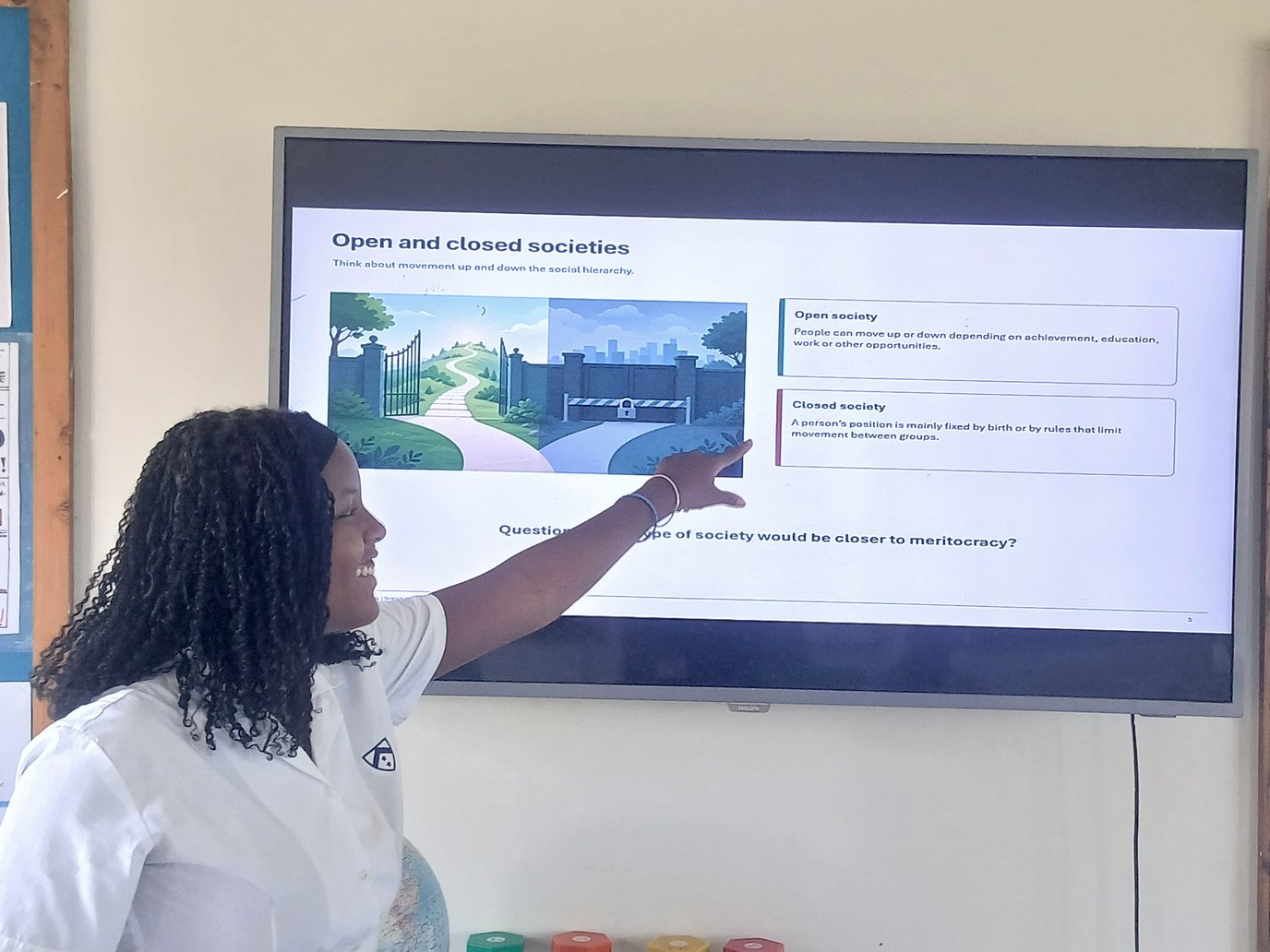
This term has started with students engaging with key sociological ideas through questioning, discussion, and presentation. Learners are already building confidence in analysing how society is organised and how opportunity is distributed. Wishing our learners a lovely and engaging term ahead.
Mr Nyabuto