KS3–KS4 Geography
9th January 2026
Week one has set the standard in KS3–KS4 Geography: tidy presentation, precise vocabulary, and evidence-led thinking. From day one, pupils have been challenged to explain processes clearly, use key terms accurately, and support every claim with diagrams and examples.
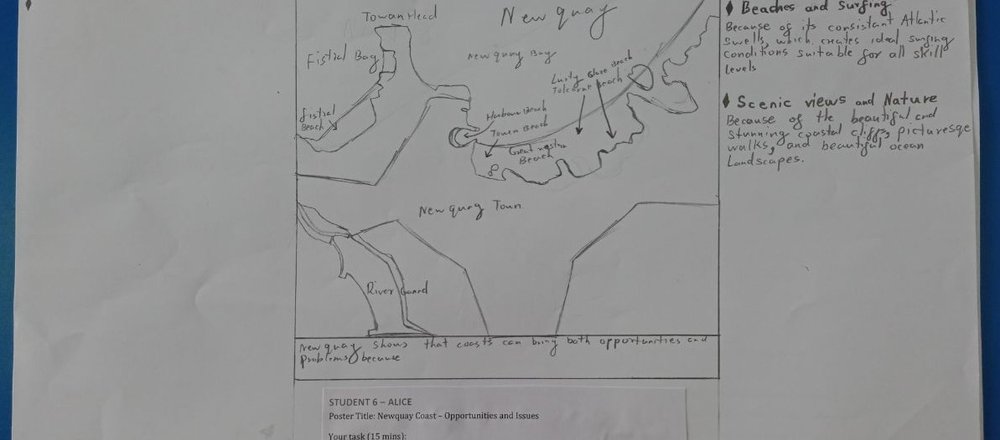
In KS3, we launched our coasts unit by exploring how waves shape headlands and bays, and how longshore drift moves sediment along the shoreline. Students produced clear annotated sketches showing fetch, swash and backwash, erosion and deposition, then applied these ideas to Newquay weighing opportunities such as tourism, surfing and scenic landscapes against pressures including crowding, litter and coastal erosion.
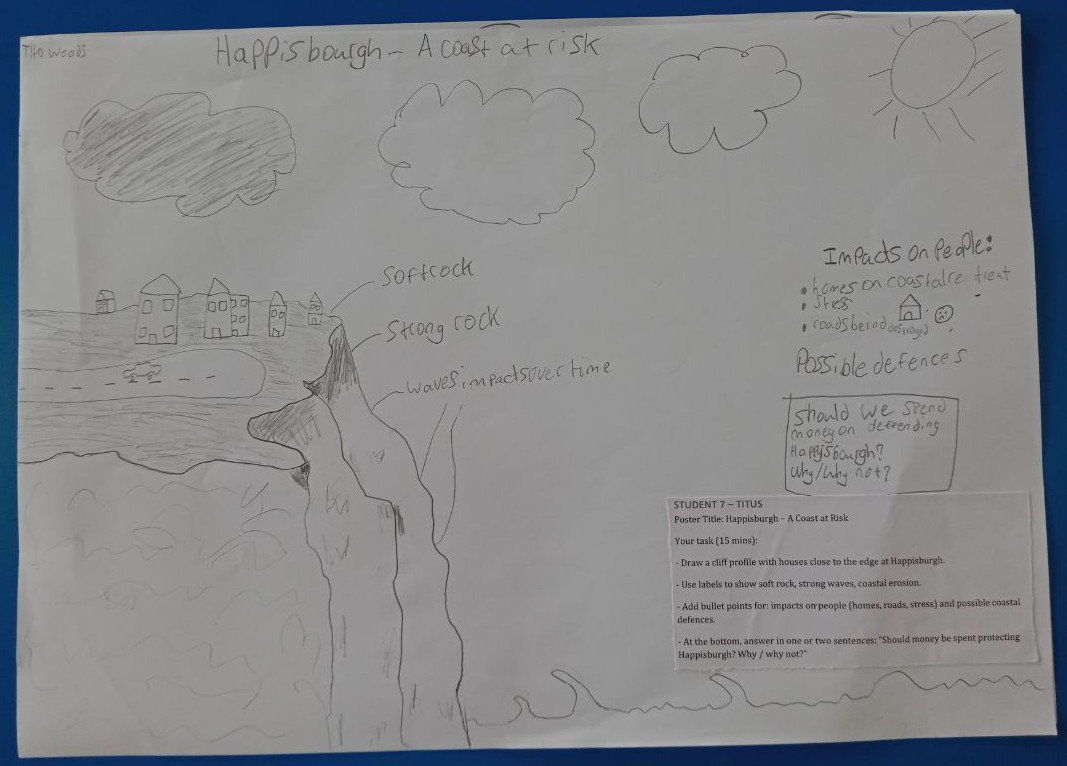
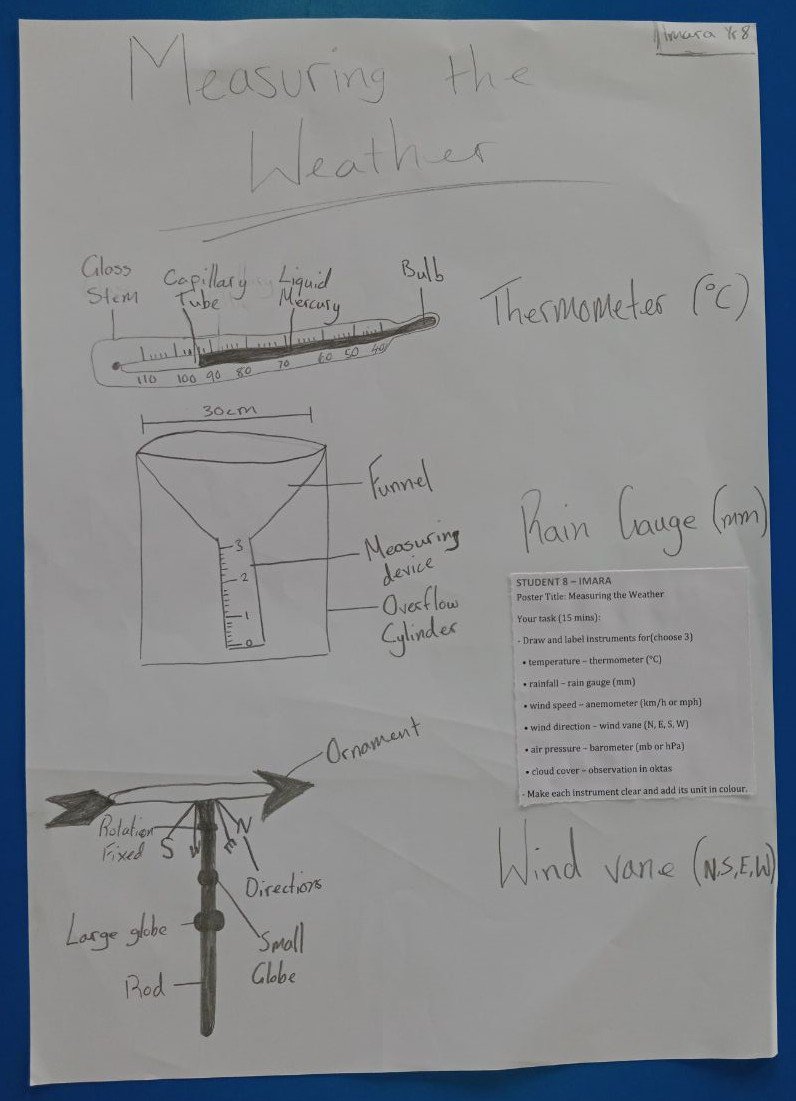
KS4 moved into sharper geographical decision-making, using Happisburgh as a ‘coast at risk’ case study to debate whether, where and how we should defend vulnerable coastlines. Alongside this, we strengthened fieldwork foundations by designing and labelling weather instruments (thermometer, rain gauge and wind vane) a strong start to a term focused on accuracy, resilience, and high-quality geographical writing.