KS3 & KS4 PSHE
21st March 2026
Year 7 - HEALTH AND PUBERTY
This half term in PSHE, Year 7 students have been learning about the important topic of health and puberty. Through a range of discussions, activities, and practical tasks, students have developed a better understanding of how to take care of themselves both physically and emotionally.
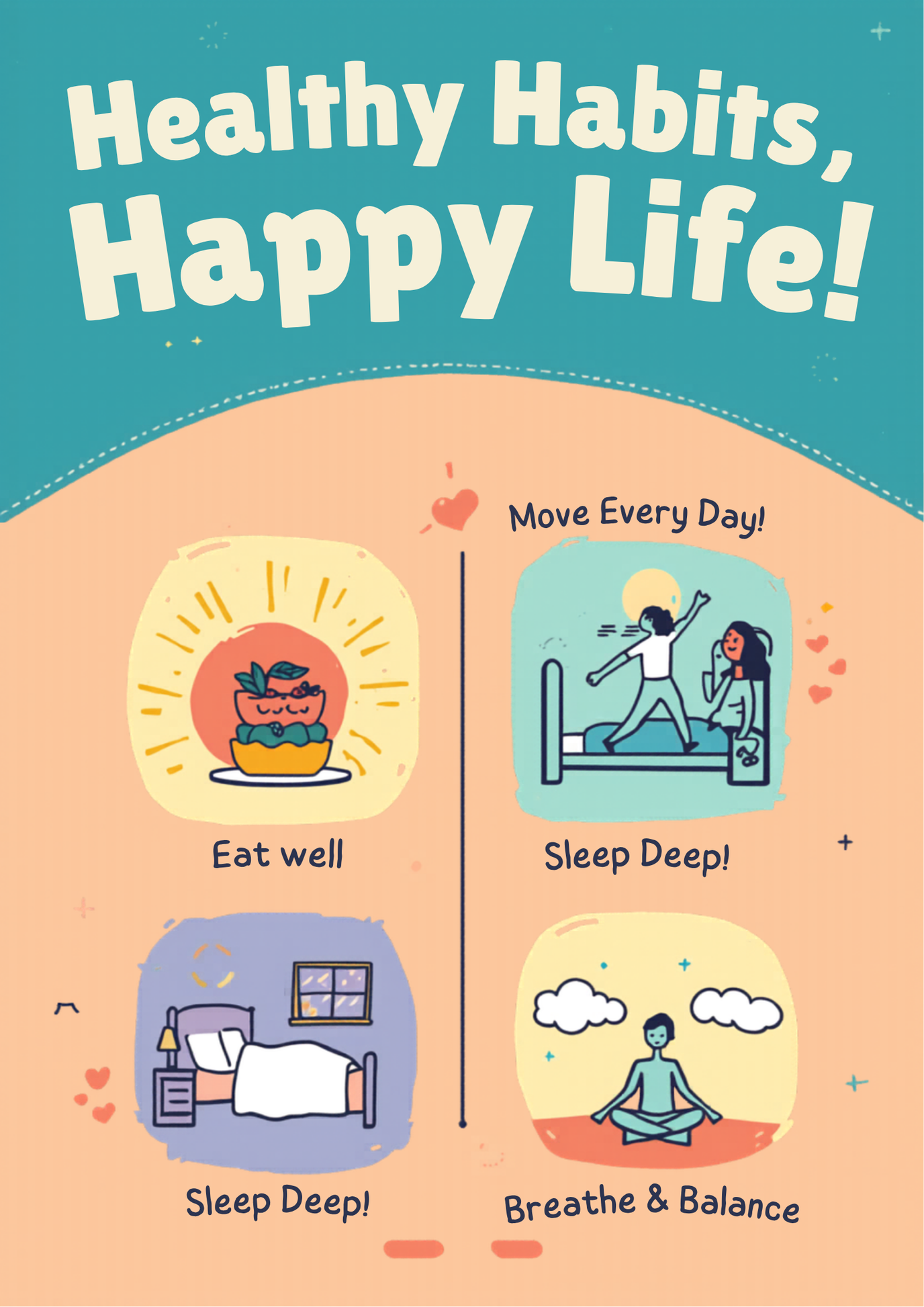
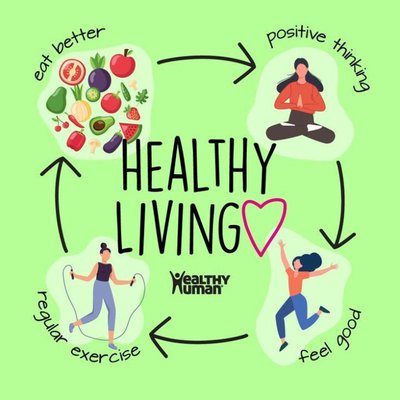
A key focus has been on making healthy lifestyle choices. Students explored what it means to have a balanced diet and discussed the importance of eating a variety of nutritious foods. They also learnt about dental health, including how to properly care for their teeth and why regular brushing and check ups are important. In addition, lessons highlighted the value of physical activity and good sleep habits, helping students understand how these contribute to overall wellbeing. As part of this, students shared their own best practices and set personal goals to improve their daily routines.
Another important area of learning was managing influences. Students discussed how factors such as caffeine, smoking, and alcohol can affect health and decision making. They explored the side effects of drugs and talked about the risks involved. Importantly, they also considered how to support friends or others who may be at risk, developing awareness and empathy in these situations.
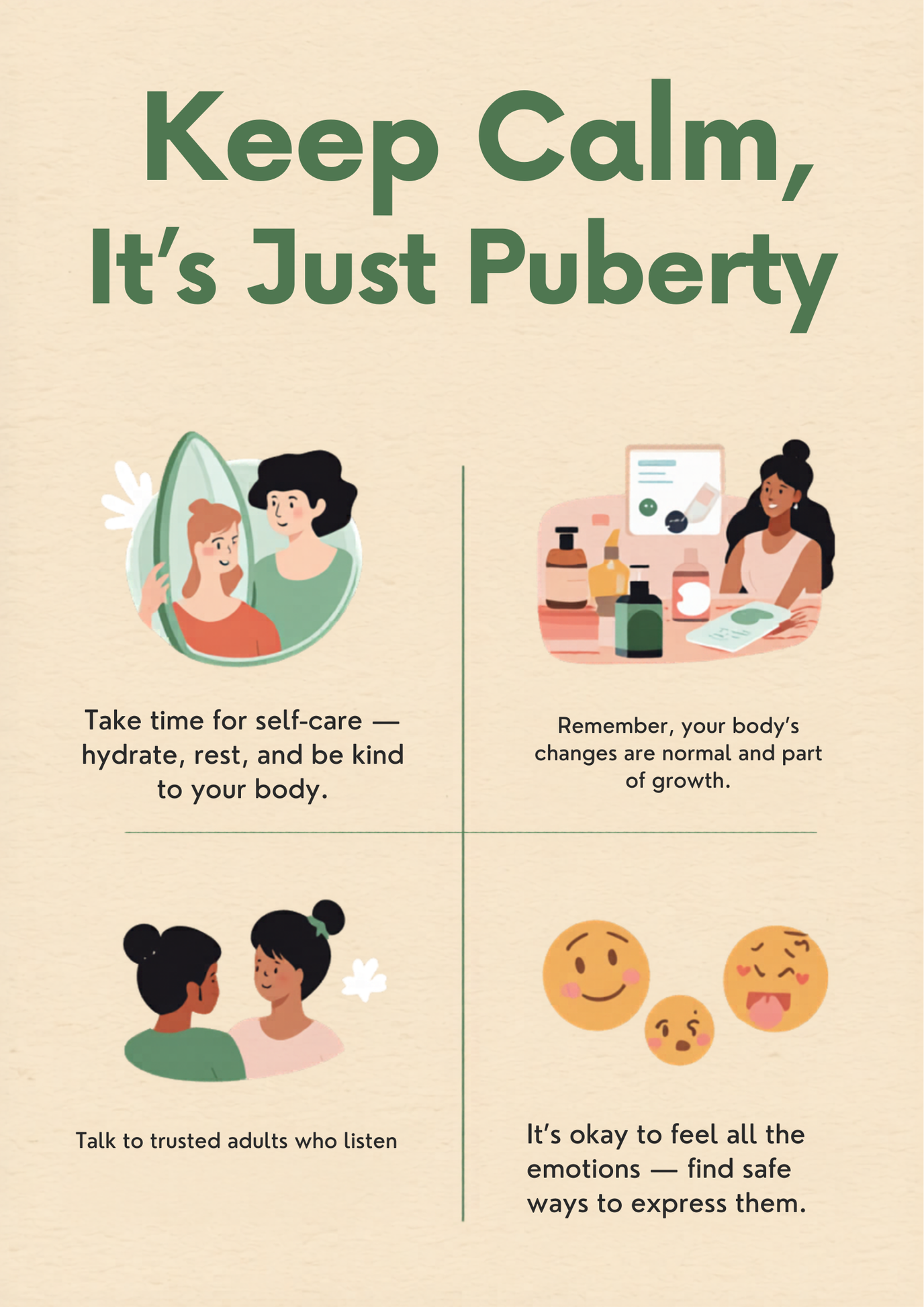
Year 7 students also spent time learning about puberty, focusing on both the physical and emotional changes that take place during this stage of life. Through scenarios and role play activities, students were able to practise how to manage these changes in a positive and respectful way. These sessions helped to build confidence, understanding, and reassurance during what can sometimes be an uncertain time.
Overall, it has been a very productive half term. Year 7 students have shown maturity and engagement throughout, gaining valuable knowledge and skills that will support their health and wellbeing now and in the future.
Year 8 PSHE This Term: Community and Careers
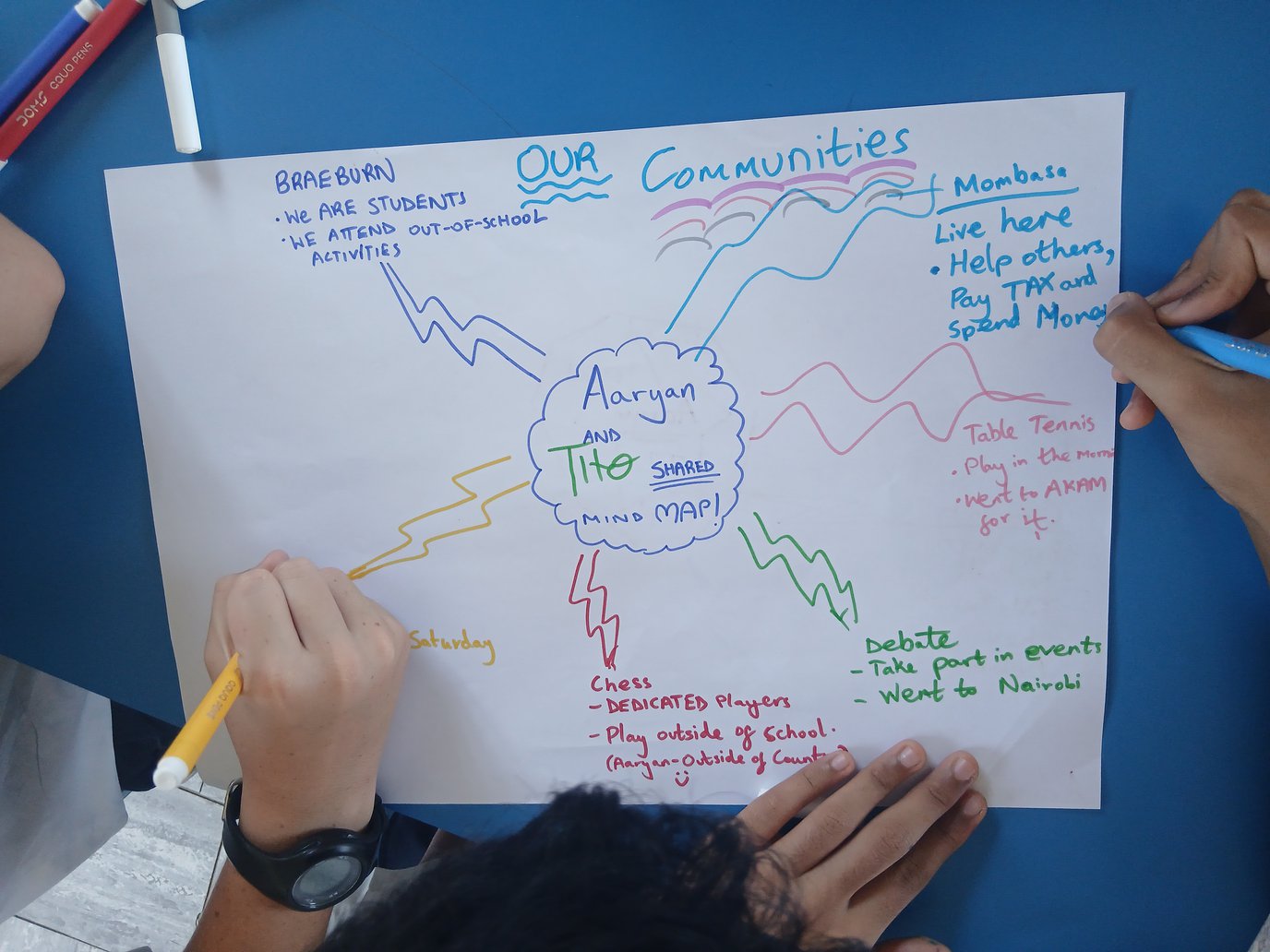
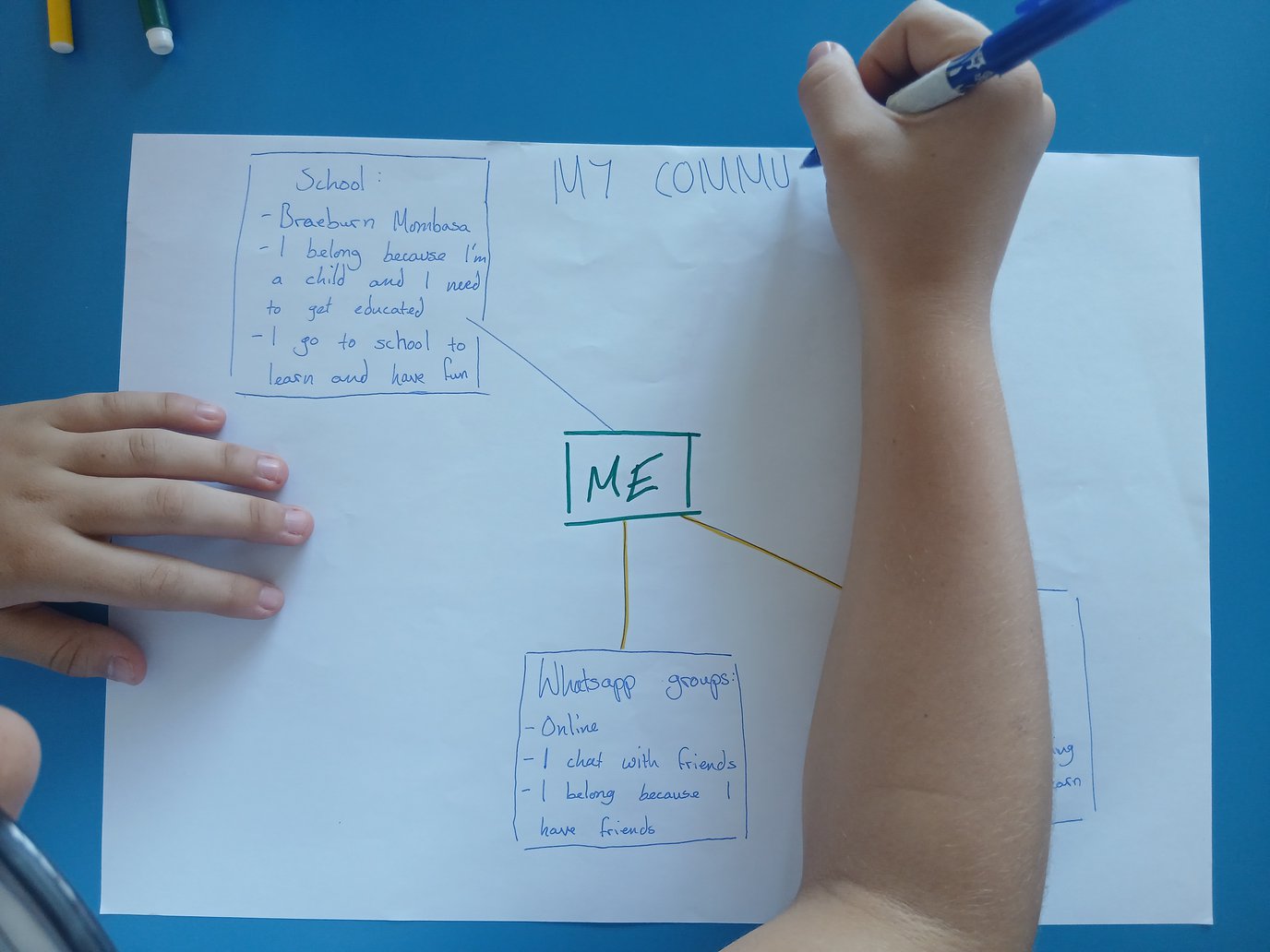
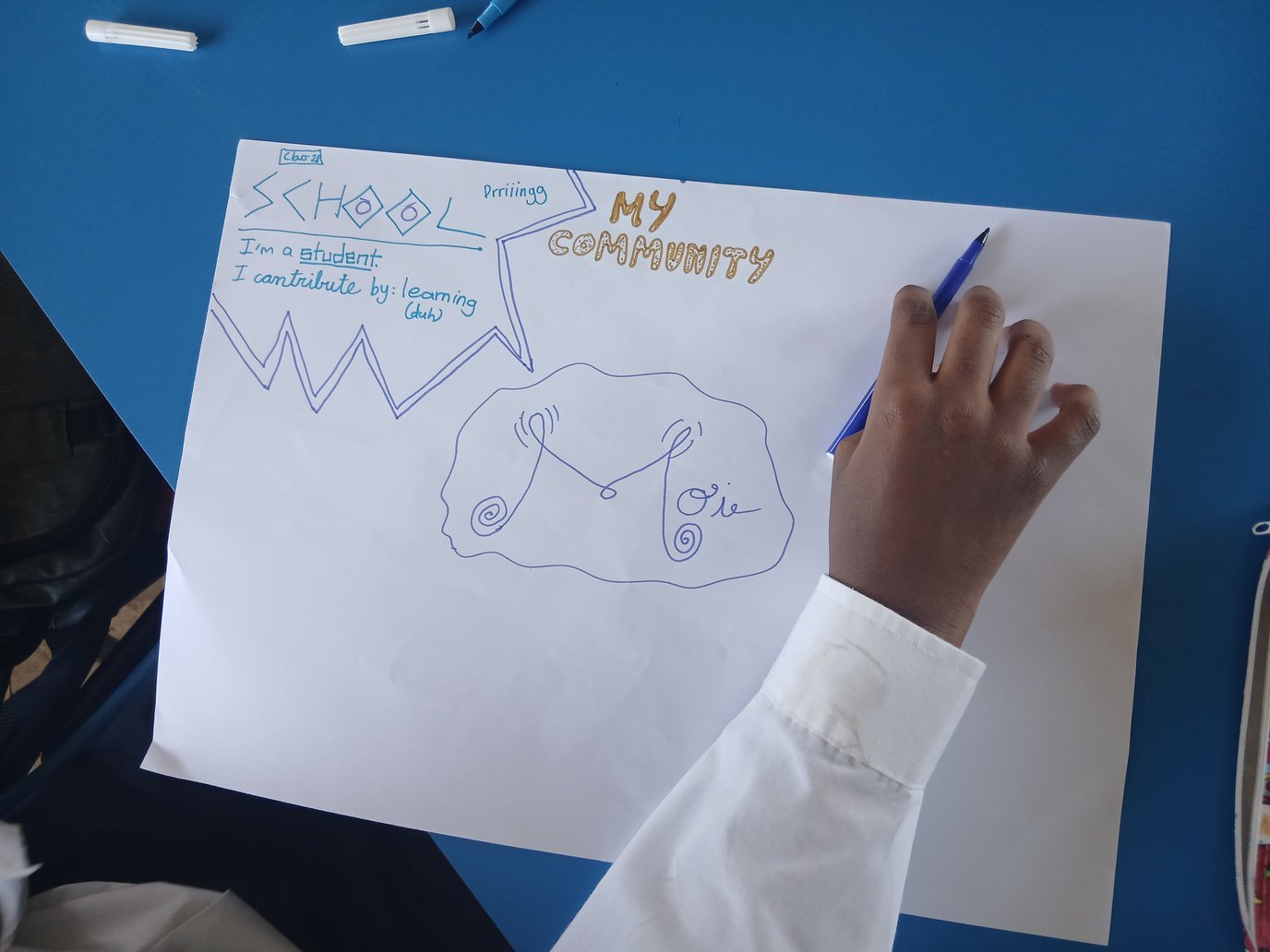
This term in Year 8 PSHE at Braeburn Mombasa International School (BMIS), students have been exploring the theme “Community and Careers”. The unit is practical and student centred, helping learners connect their strengths, interests, and values to real life.
Rather than seeing careers as something far in the future, Year 8 students have been learning that future pathways begin with everyday habits such as communication, teamwork, resilience, responsibility, and curiosity. At the same time, students have explored how communities function and how different careers support people’s wellbeing, safety, opportunities, and the environment.
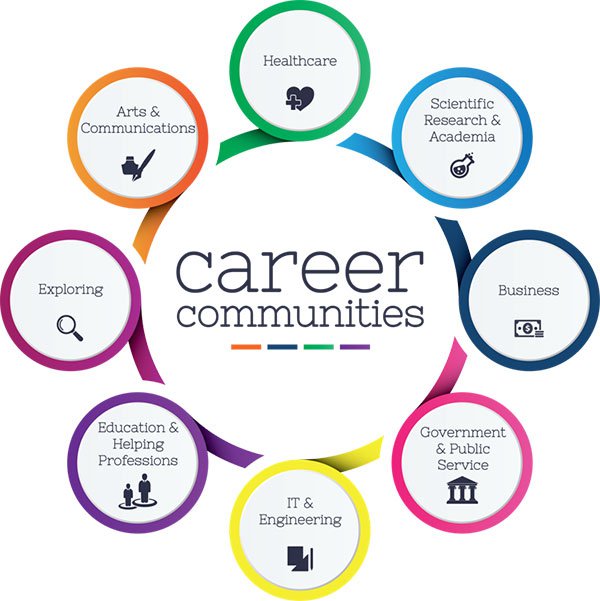
Across the term, students investigated careers linked to the life of Mombasa and beyond by examining what different roles involve, what skills are required, and how these jobs contribute to community needs. Students explored a wide range of sectors, including healthcare and public service, education and youth development, tourism and hospitality, marine and environmental work, business and entrepreneurship, technology and media, and transport and logistics. This approach helped students recognise that communities depend on many roles that may not always be visible, and that meaningful work is often defined by impact and service, not just status.
A major focus this term has been helping students identify and strengthen transferable skills, meaning skills that are useful across many careers. Students reflected on how school life already develops important workplace skills such as leadership, organisation and time management, problem solving, creativity, respectful communication, active listening, and resilience when faced with challenges. Students also created personal targets by choosing one skill to improve and setting a practical action step they can apply in lessons, clubs, and daily routines.
The community side of the theme encouraged students to think beyond themselves and consider real needs in school and society. Through discussion and short research tasks, students explored what responsible community involvement looks like, including inclusion and respect, environmental responsibility, wellbeing and safety, and positive digital citizenship. Students were encouraged to move from noticing issues to proposing realistic solutions, developing confidence, empathy, and a stronger sense of citizenship.
As the term continues, students will keep developing their ability to connect learning to life beyond the classroom by building stronger self awareness, decision making, and community minded thinking. The aim is simple: to help Year 8 students grow into informed, capable, and responsible young people who are ready to contribute positively wherever they are.
Well done to Year 8 for their maturity and engagement with this theme. We are proud of how they have approached Community and Careers with curiosity and purpose.
Mr Nyabuto
Humanities Lead (History and Sociology Teacher)
Year 9 PSHE
It’s okay to have a crush—what matters is how you handle it.
During our Year 9 PSHE lesson on healthy lifestyles, the topic of mental well-being led us to an honest and insightful discussion. One challenge many adolescents face, often silently, is developing a crush on a peer and not knowing how to navigate those feelings.
The students engaged openly, sharing ideas and reflecting together. They were able to identify healthy and unhealthy ways of coping, thoughtfully eliminating choices that could lead to frustration or emotional distress. In the end, they agreed that respect and self-worth are the most important values to uphold.
They also recognised that while crushes are a normal part of growing up, staying focused on their academic goals should remain a priority.
PSHE lessons continue to provide a safe and supportive space where students can express themselves, learn from one another, and better understand their everyday experiences. It was truly rewarding to see them realise that having a crush is simply part of being human.
Year 10 PSHE: Exploring Influences & Personal Safety
"The person who influences you is the one who can change your mind when you are not even trying to change it." Kelly Barnhill
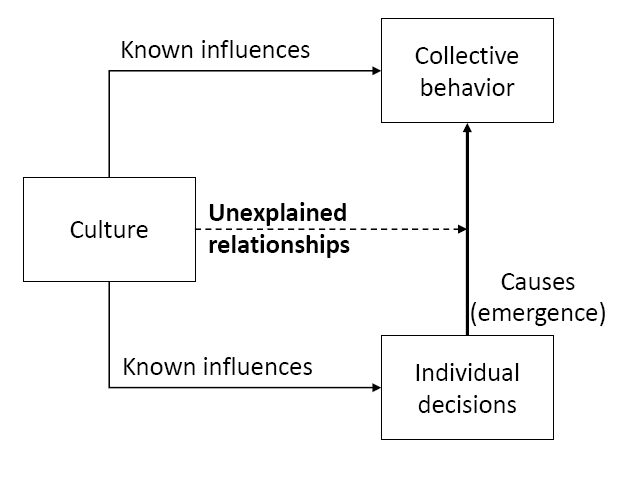
This term, our Year 10 students at Braeburn Mombasa International School have begun a vital unit of work titled "Exploring Influences". As they move toward greater independence, navigating social scenes across the coastal region and beyond, it is essential they understand the forces that shape their choices. We began the unit by deconstructing the "media myth" of global gang culture seen in music videos and TikToks. Students are learning to see the reality behind the filter, including the long-term risks to their digital footprint and how an impulsive post today can become a "red flag" for university admissions or visa officers years down the line.
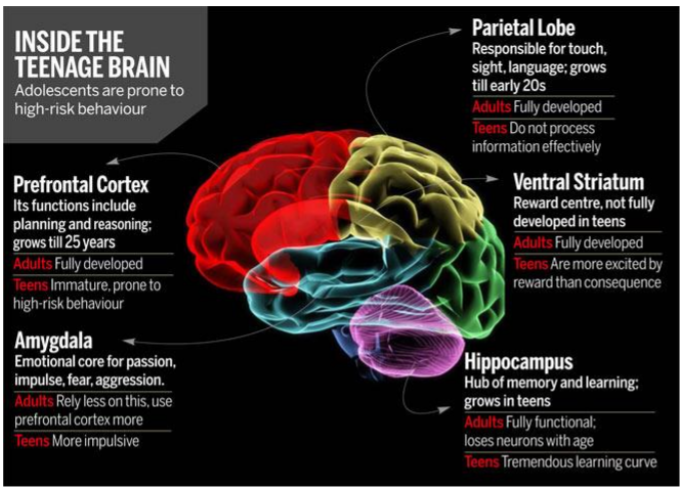
We then moved into the neurobiology of the teenage brain to explain why risk-taking feels so rewarding at this age. Students explored the "biological brake": the fact that their brain’s reward system is fully developed, while the logic centre (the prefrontal cortex) is still under construction. We discussed how substances like alcohol and vapes can "cut these brake lines" of good judgement, leading to the "International Ripple Effect". Living in an international community in the coastal region brings unique responsibilities; one impulsive choice does not just impact a student’s health but can jeopardise a family’s residency permits, a parent’s work contract, and the student's own global future.
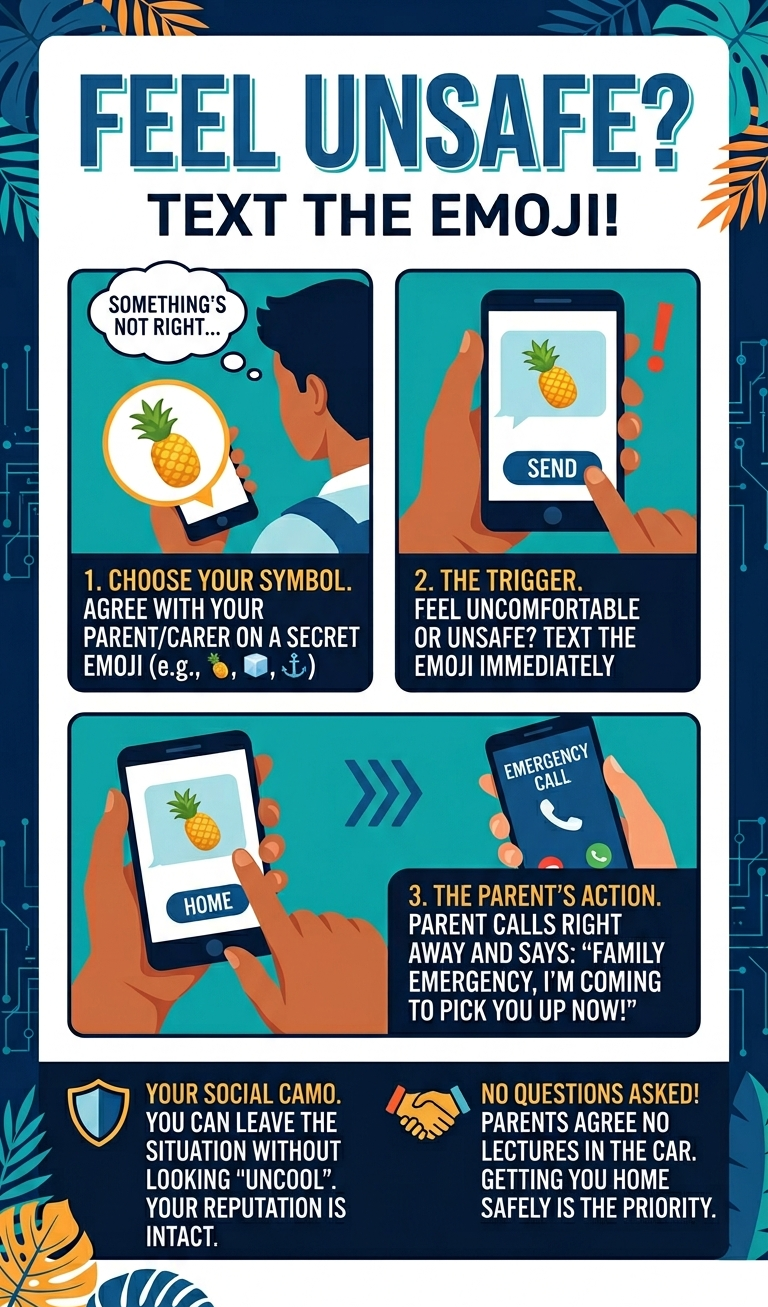
To support this learning at home, we encourage carers to be active mentors in their child’s digital life. Monitoring social media is not just about privacy; it is about helping them curate a "Global ID" they can be proud of. We also recommend that every family establish an "X-Plan": a secret code word or emoji that your child can text if they ever feel unsafe or uncomfortable in a social setting. The agreement is simple: if they send the code, you call immediately with a "family emergency" and pick them up with no questions asked. This provides them with "social camo", allowing them to leave a risky situation without losing face among their peers.
Our ultimate goal is to help our students move from being "consumers" of other people's influences to being positive role models for the younger years at Braeburn Mombasa. By equipping them with refusal skills and practical safety knowledge—including upcoming lessons on the recovery position and "medical amnesty"—we ensure they can stay safe without losing their sense of belonging. We want our young people to have the tools to navigate a diverse society with confidence, integrity, and a clear plan for the future.
If your digital footprint was the only "reference" a university had to judge your character, what story would it tell them about who you are?