Humanities Department News
31st January 2026
Introduction
We are proud of the strong and purposeful start our Humanities learners have made this term. Across our classrooms, students have shown commendable focus, curiosity, and commitment, sustaining an impressive pace while taking increasing ownership of their learning.
Key Stage 3
Geography
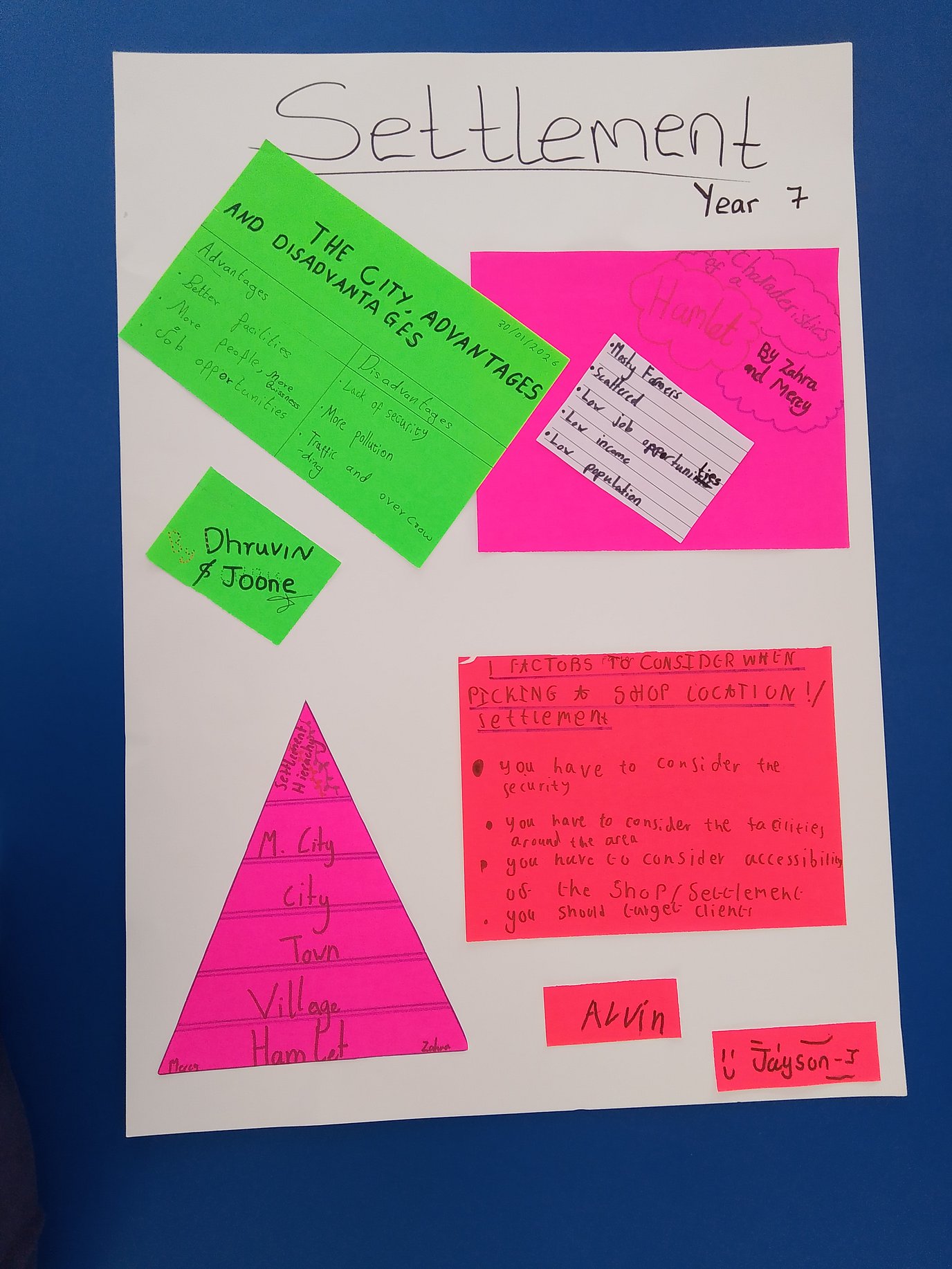
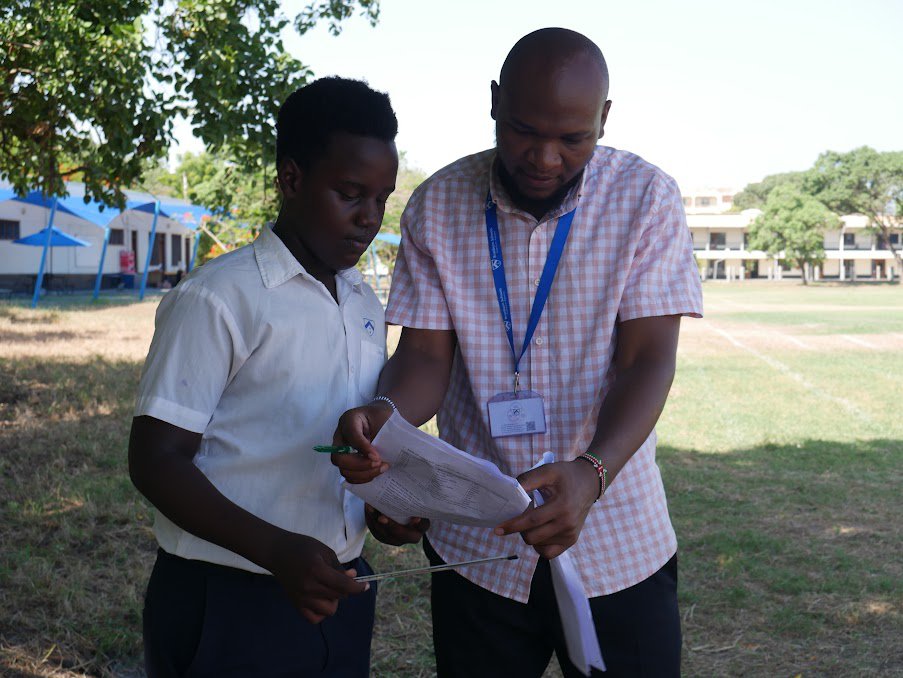
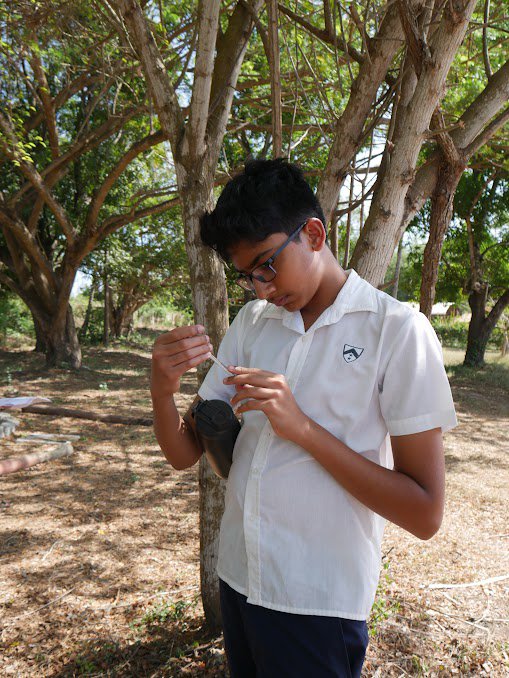
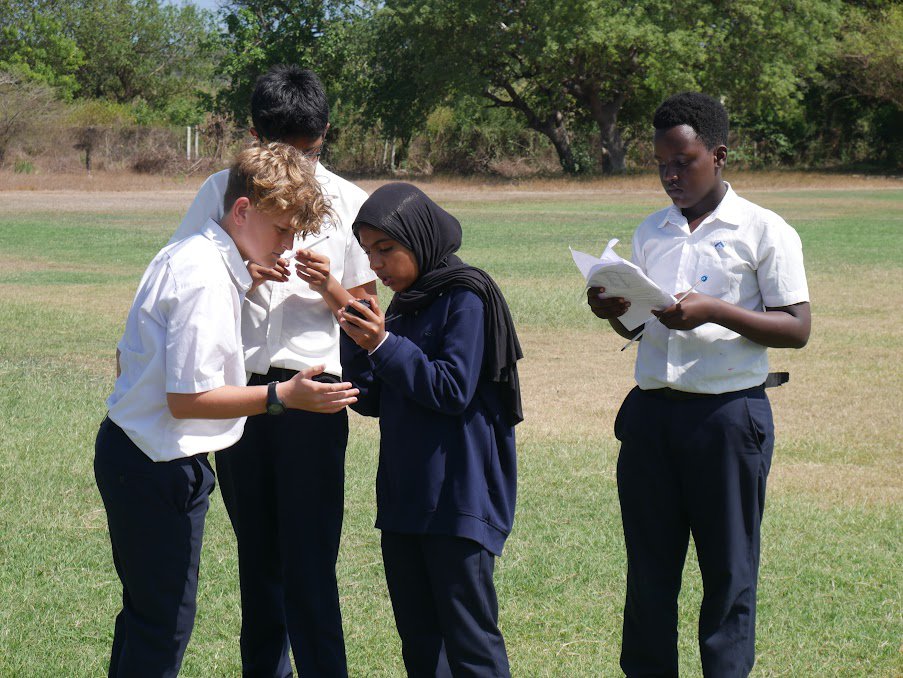
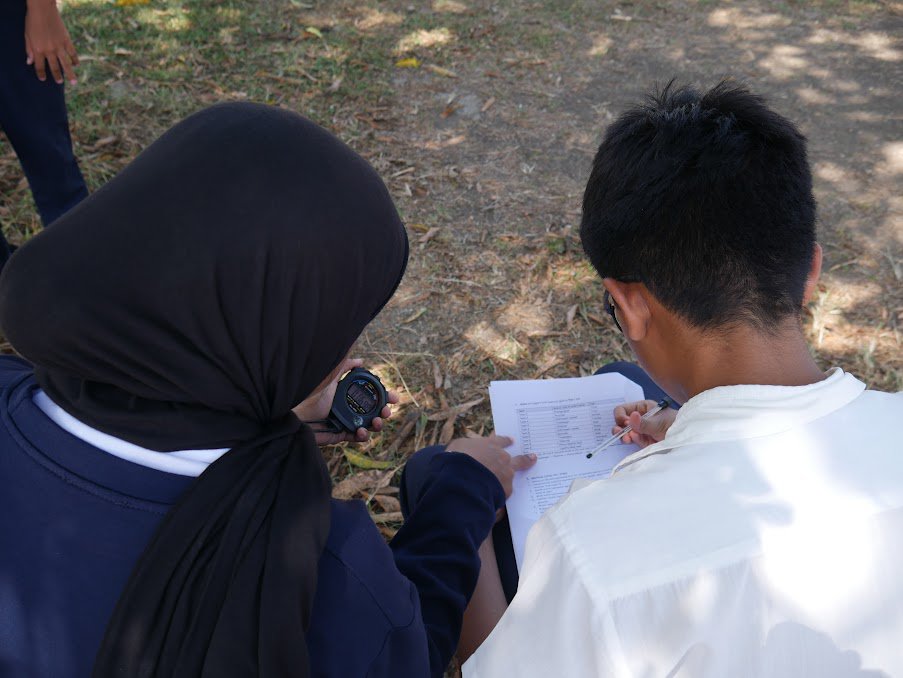
In KS3 Geography, students are developing the skills that underpin confident enquiry and sound geographical judgement. Year 8 have built momentum through fieldwork and GIS, recently completing their Test 2A assessment in Week 4. Alongside this, microclimate fieldwork around the school has strengthened students’ ability to collect primary data reliably, work systematically in teams, and interpret patterns by linking local conditions to factors such as shade, surface type, and site characteristics. This practical learning is now being extended through GIS, as students explore how data can be mapped and analysed spatially.
Year 9s have begun the term with purposeful taster lessons that introduce the demands and expectations of IGCSE Geography. Current learning has centred on Earth’s natural resources, with a focus on water scarcity, soil degradation, and food shortages, supporting students to evaluate causes, consequences, and realistic responses. This foundation will lead into upcoming lessons on industries, linking resources to development and decision-making.
History
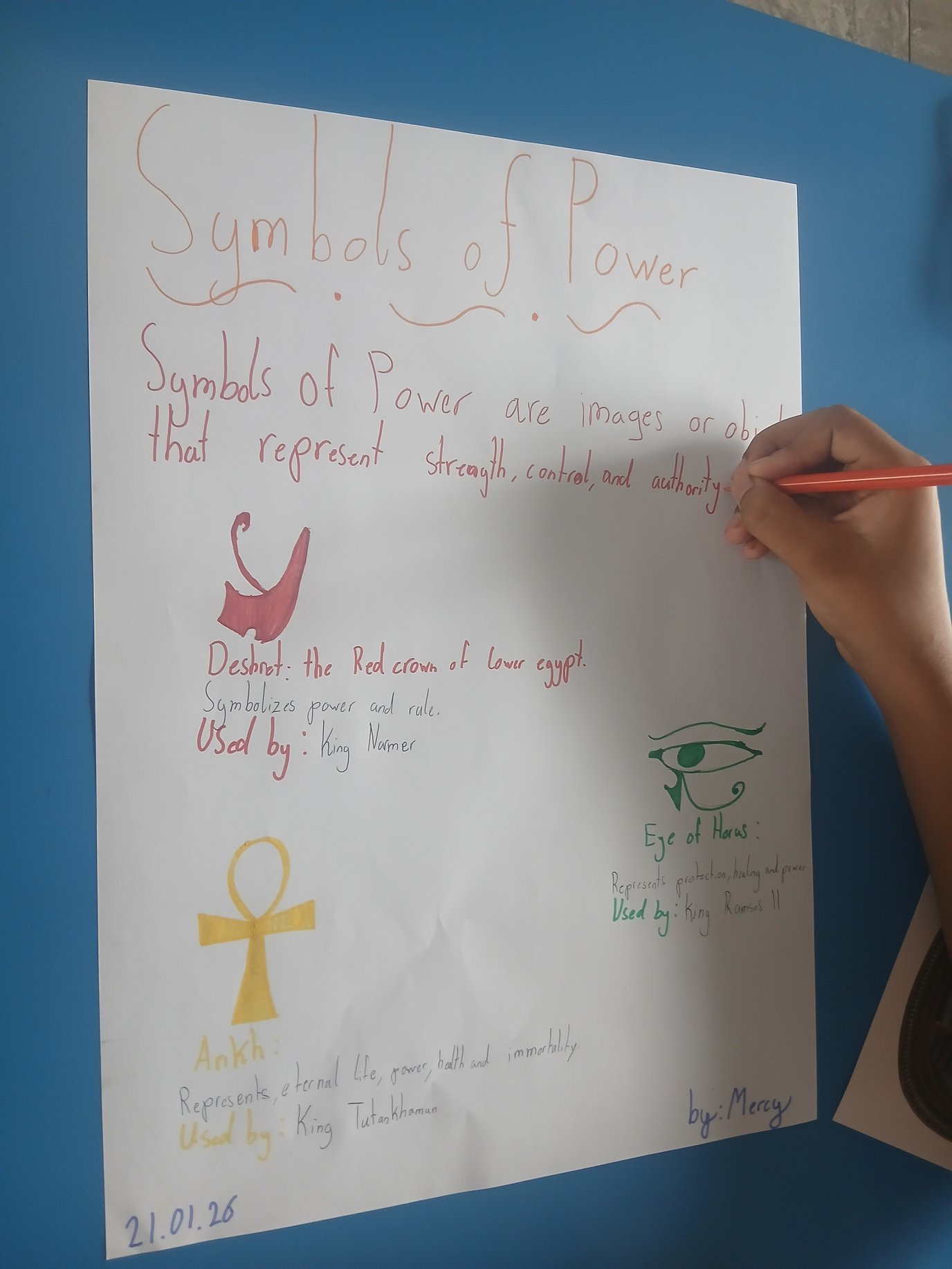
KS3 History has begun with a strong focus on building secure knowledge and strengthening the core skills that underpin success across the curriculum: careful use of evidence, clear explanation of cause and consequence, and confident interpretation of sources. Year 7 learners are exploring Ancient Egypt as an early civilisation, examining how governance, religion, social hierarchy, trade, and communication shaped daily life. Alongside developing content knowledge, students are being guided to handle historical evidence thoughtfully using artefacts, monuments, and written sources to infer what life may have been like, while recognising the limitations and potential bias within different types of sources.
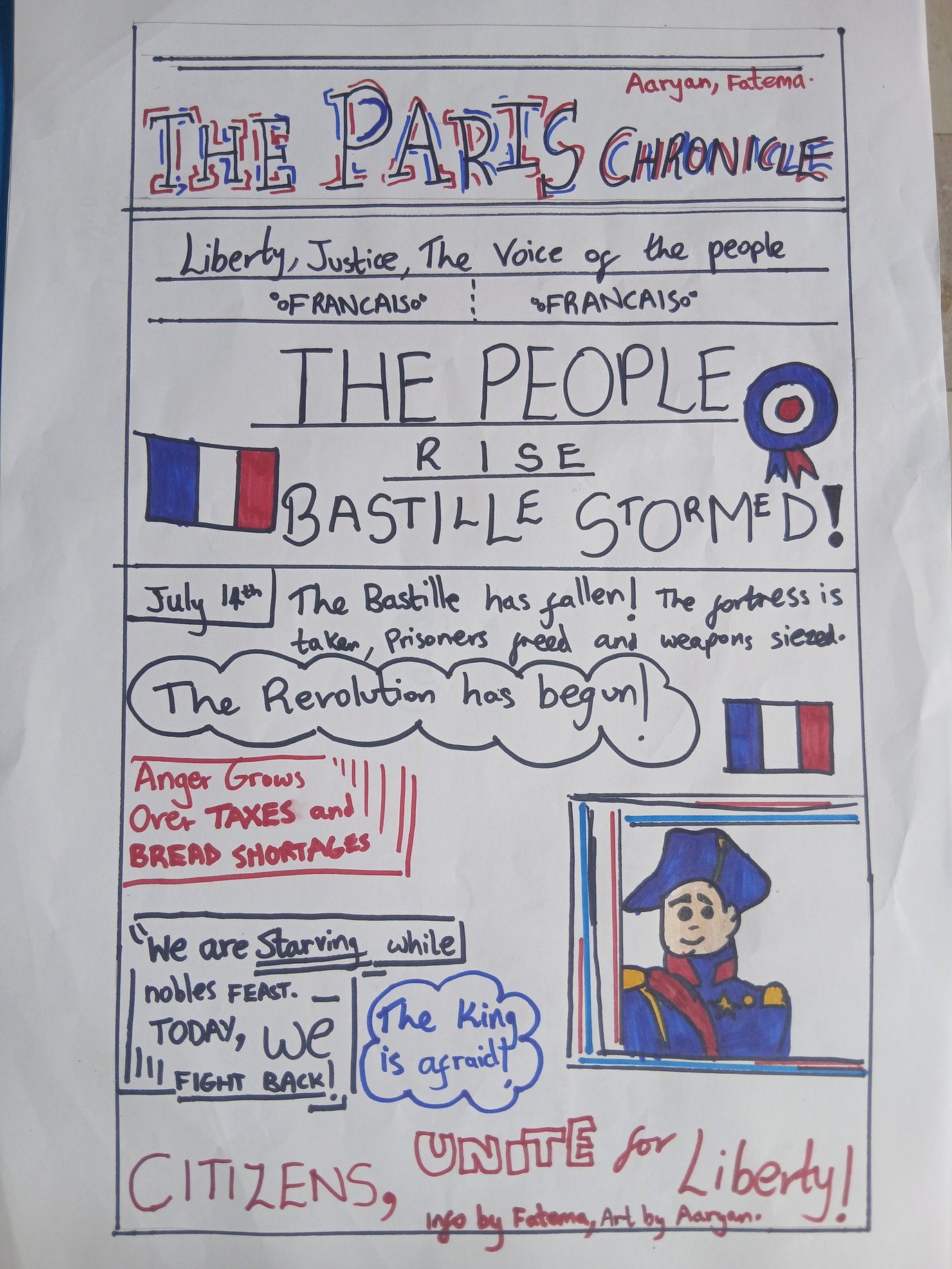
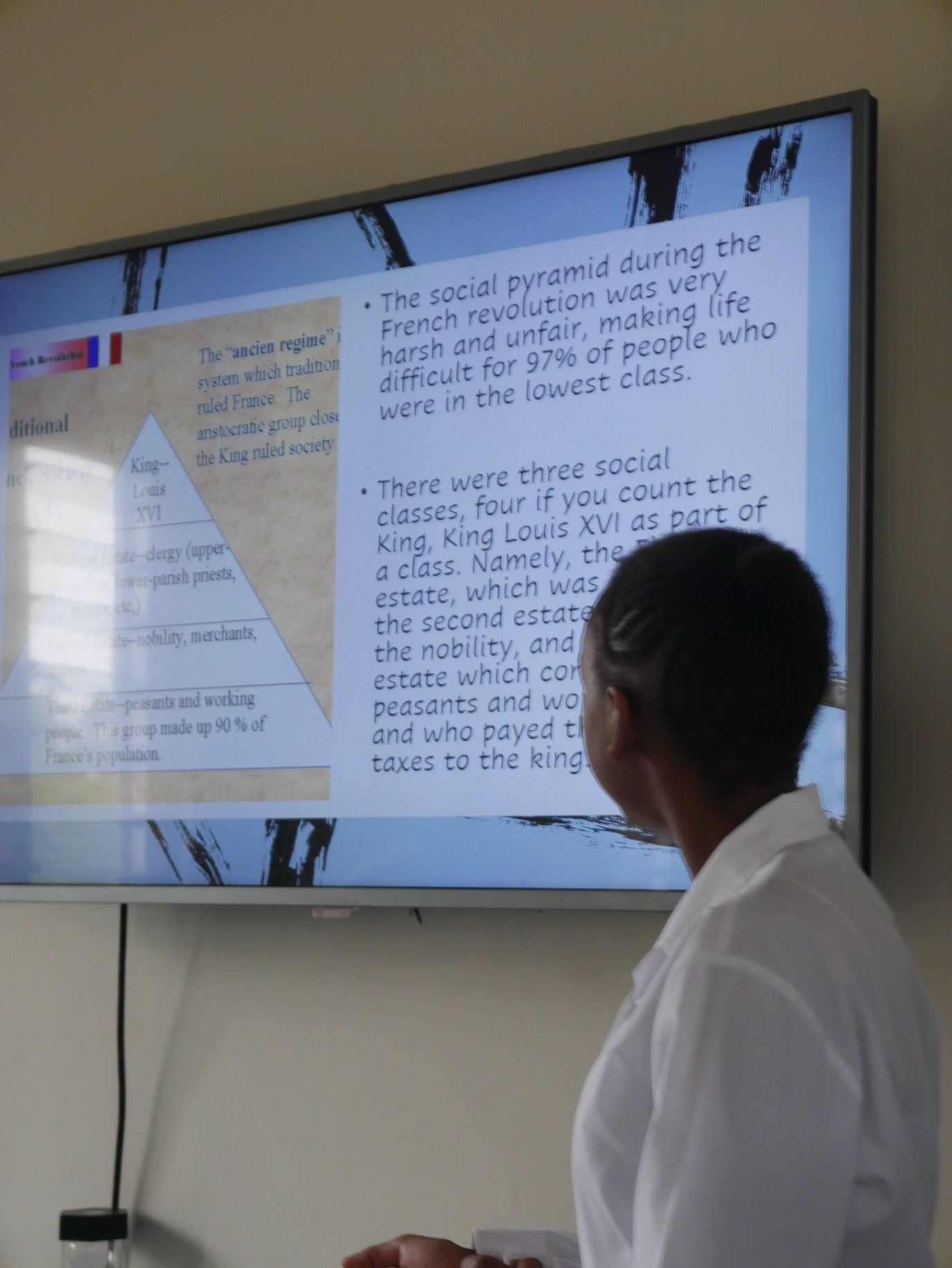
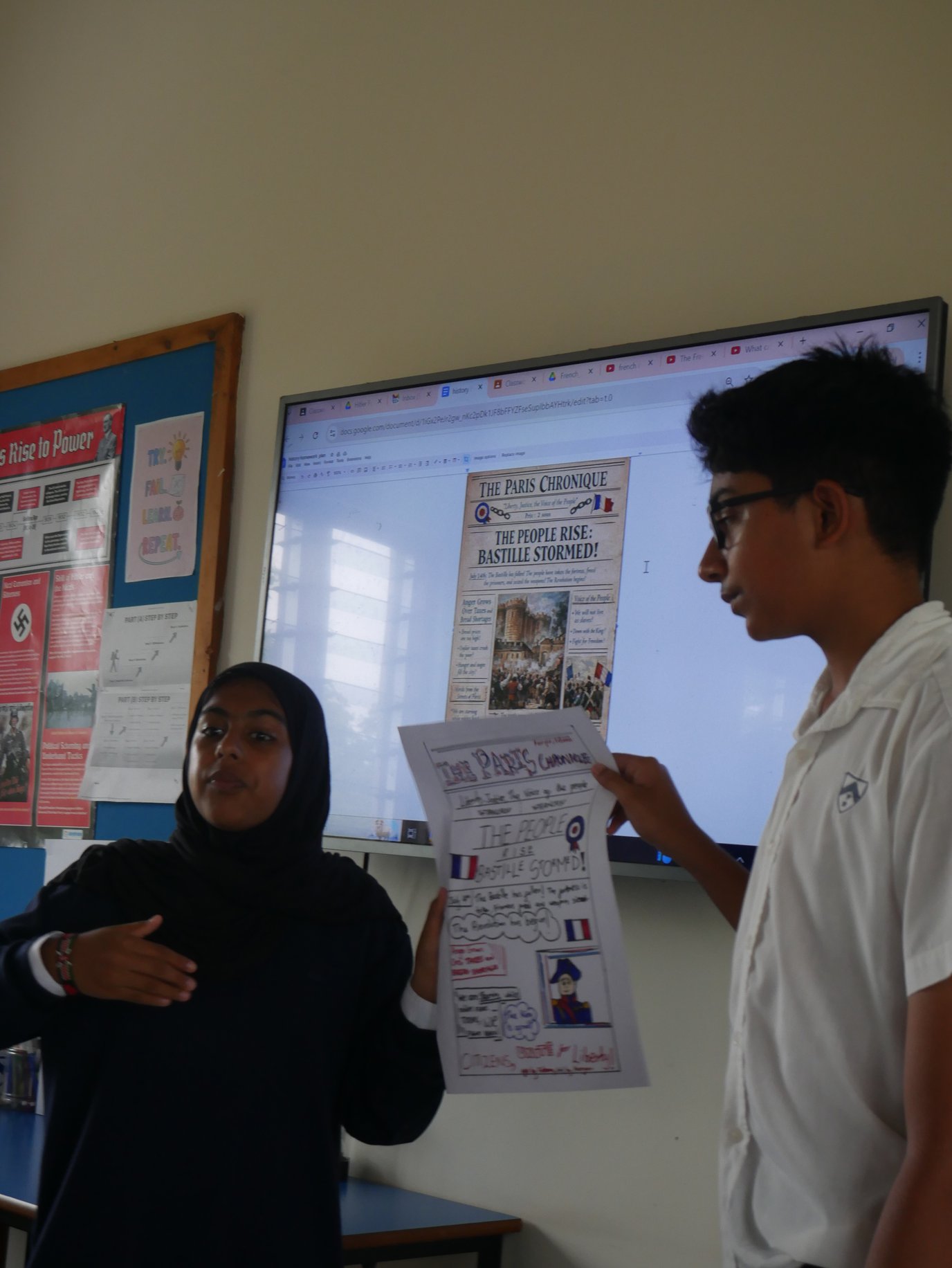
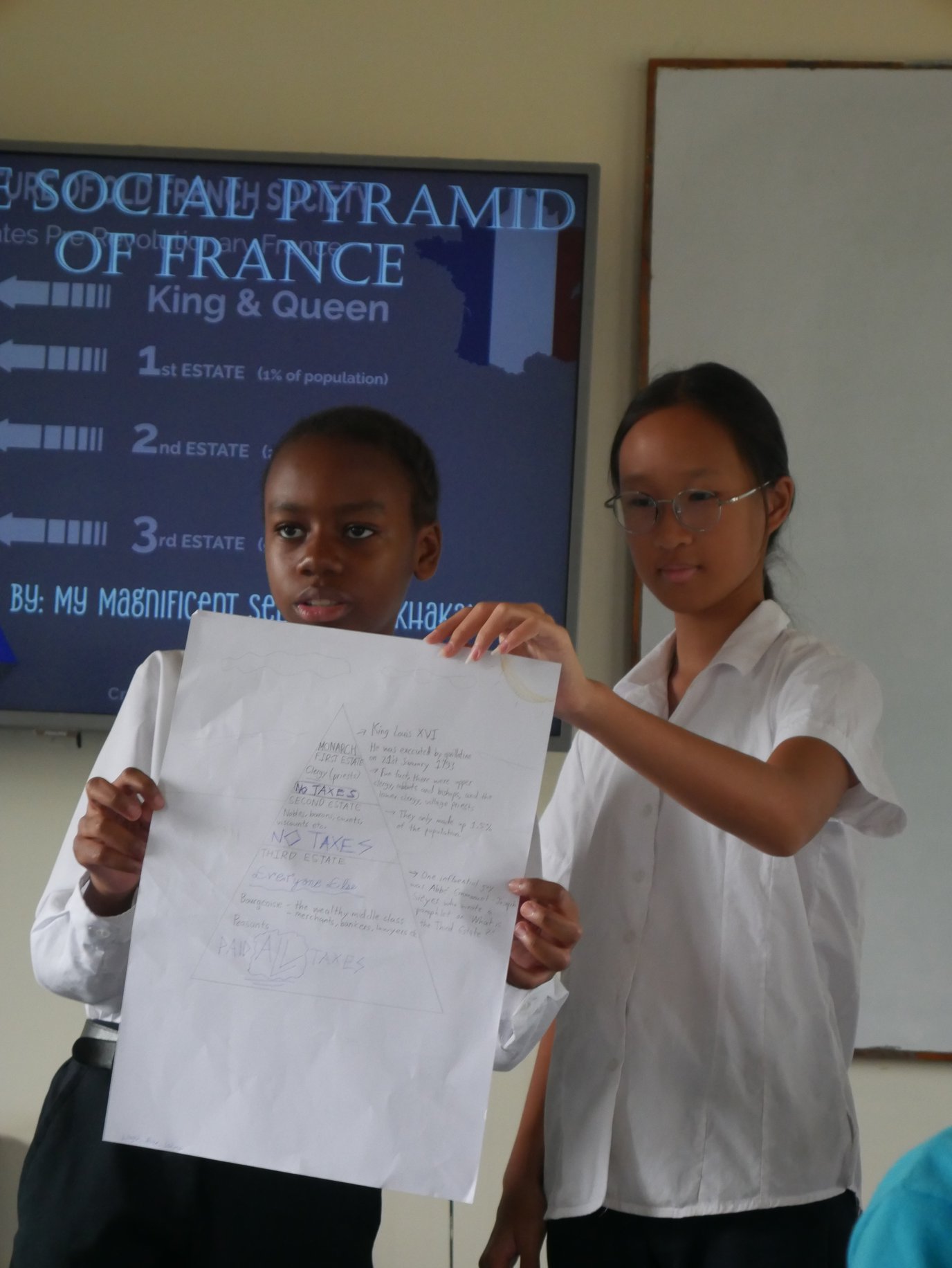
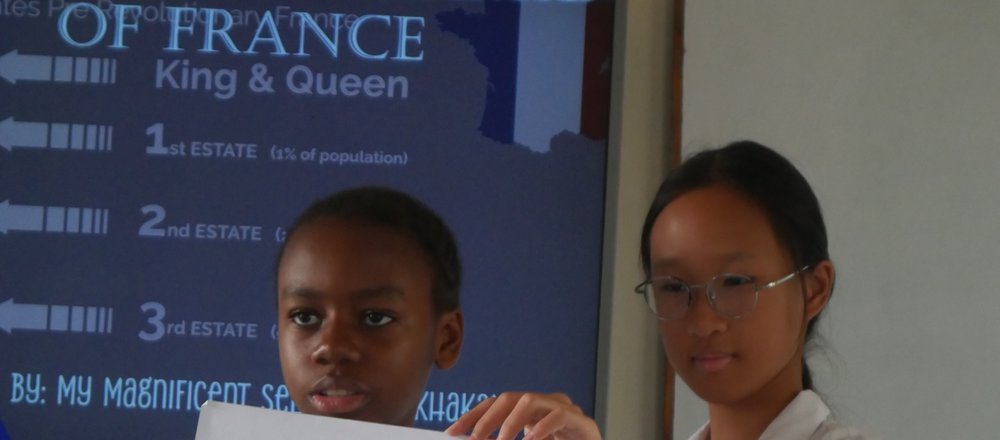
As students move through KS3, they are applying these same skills to more complex historical change and political turning points. Year 8 students are studying the French Revolution, focusing on long-term and short-term causes such as inequality within the Three Estates, financial crisis, and Enlightenment ideas, as well as key events including the Storming of the Bastille and the emergence of new political structures. Year 9 students are examining Russia from 1900–1941, tracing the challenges of Tsarist rule, the growth of unrest, revolutionary shifts in leadership, and the impact of authoritarian control on society and the economy. Across Years 7–9, learners are encouraged to revise by using timelines to secure chronology, linking causes to consequences with precision, and producing structured explanations that show not only what happened, but why it mattered.
Key Stage 4
Geography
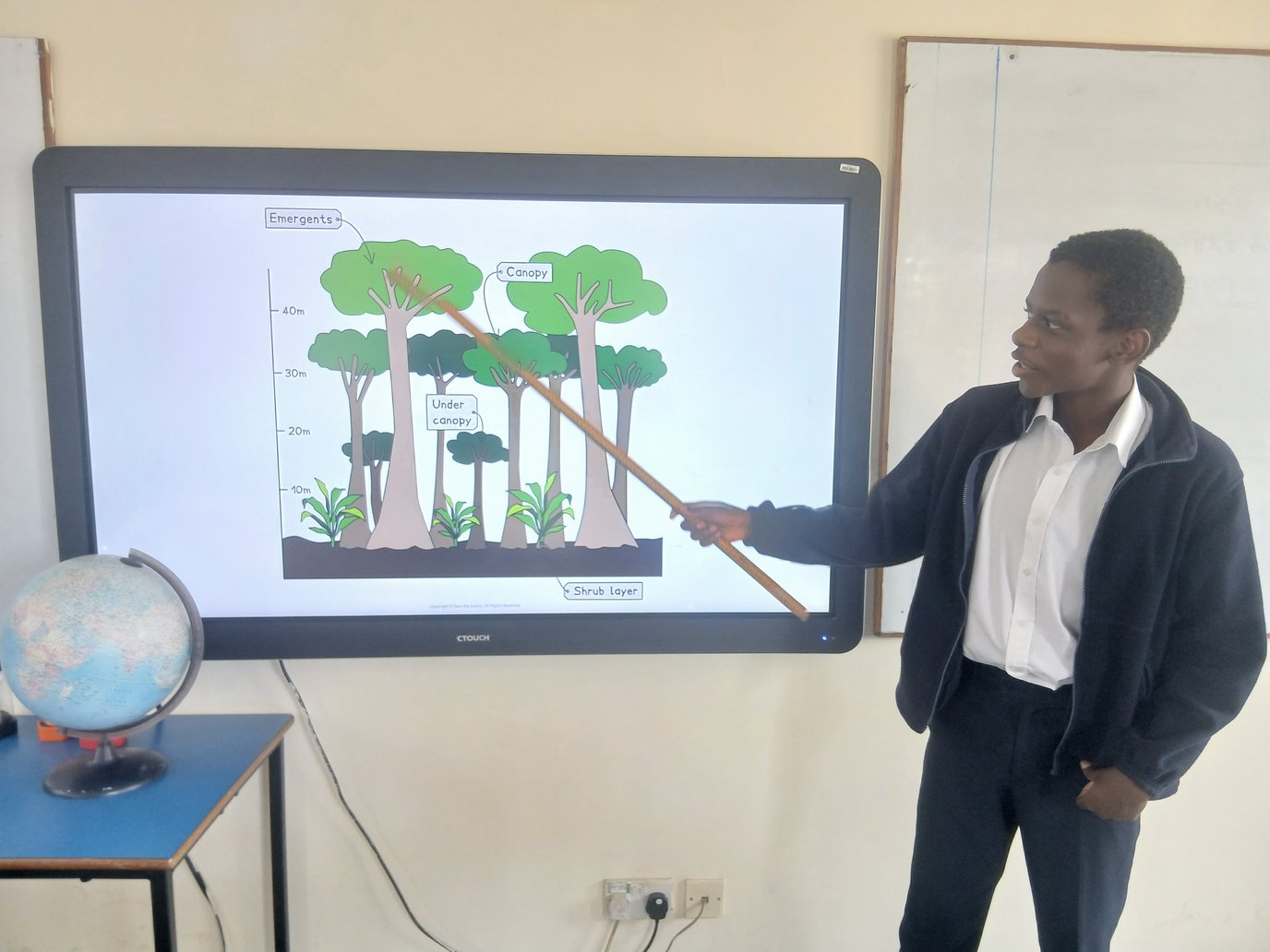
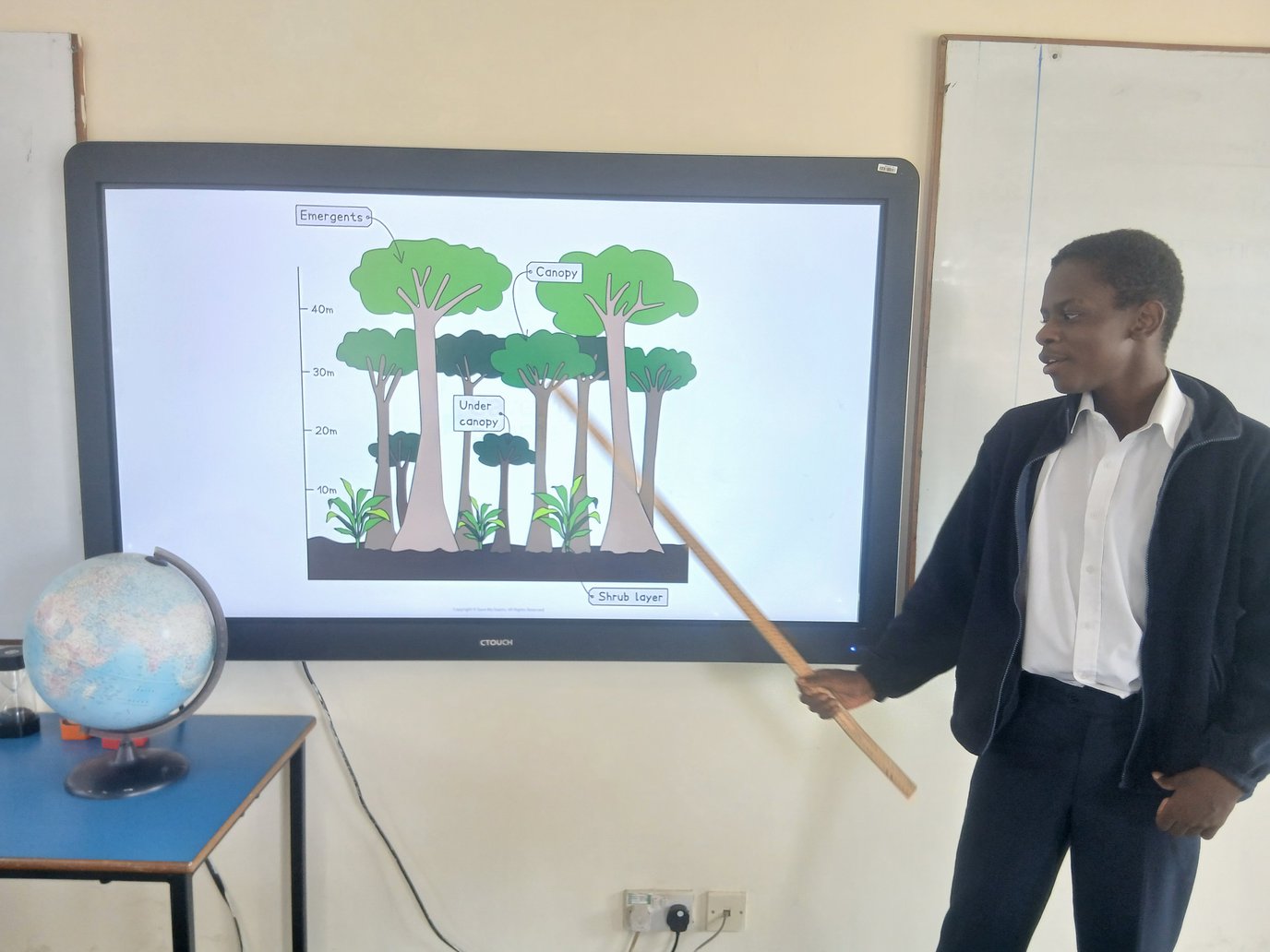
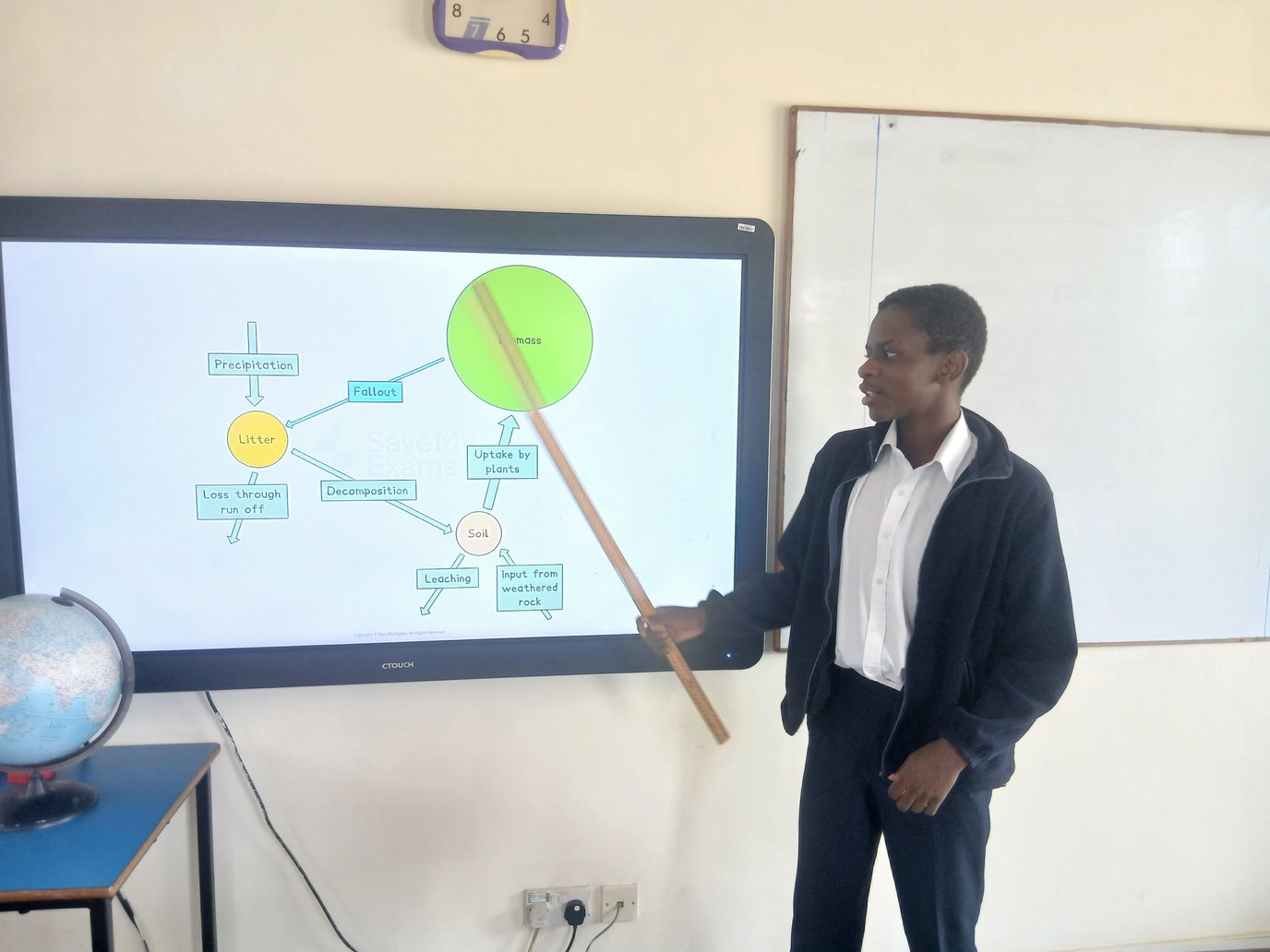
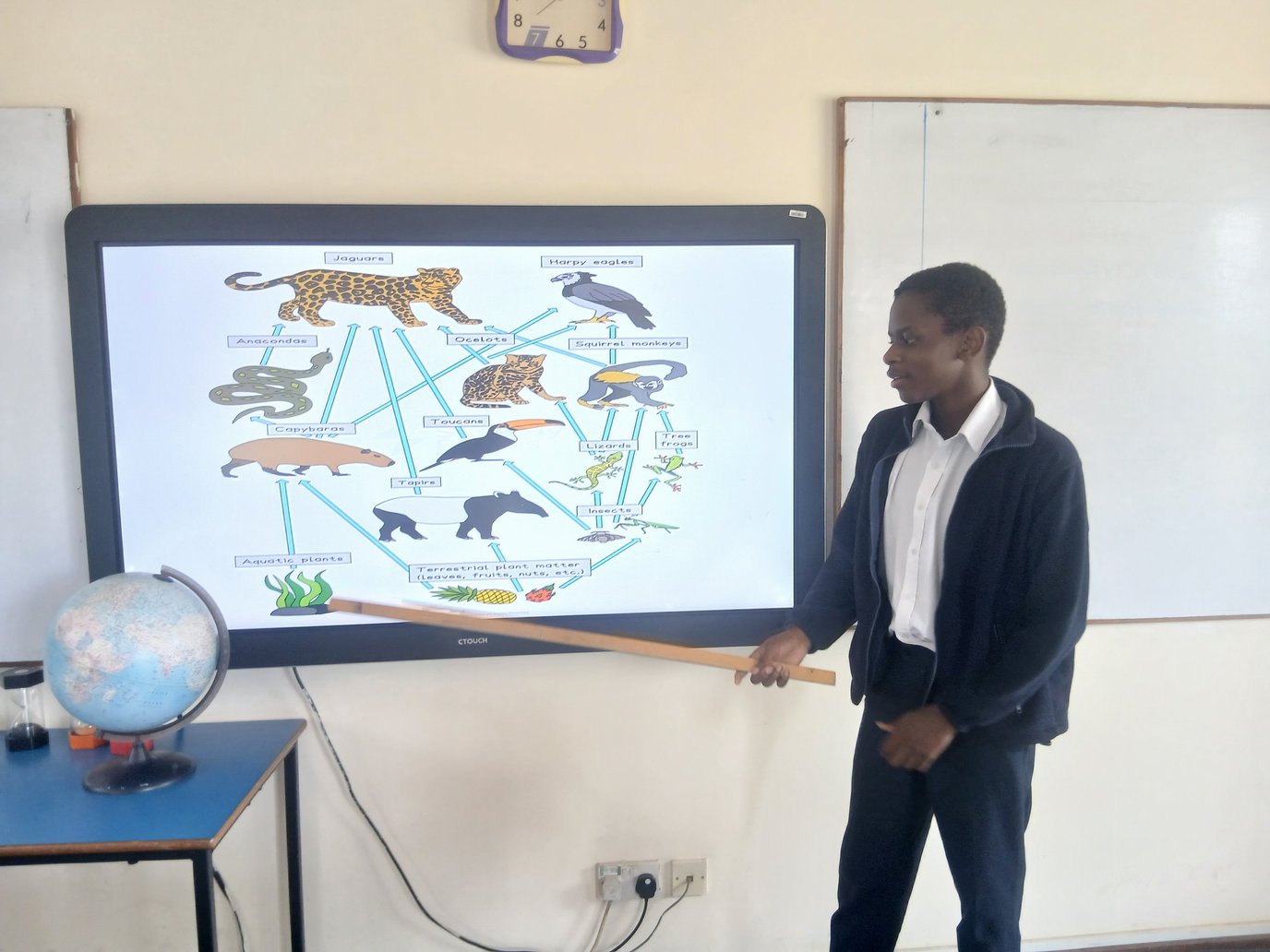
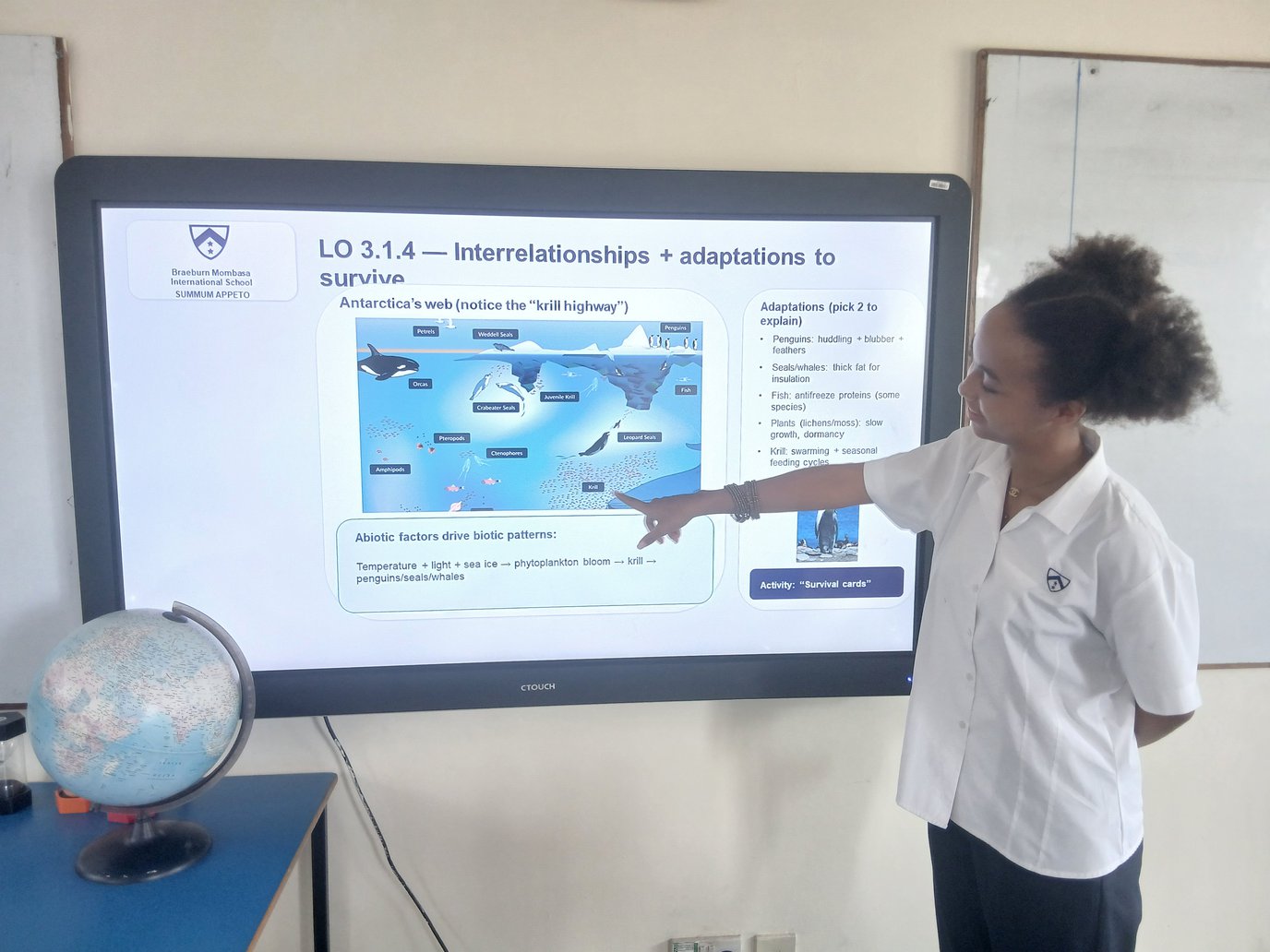
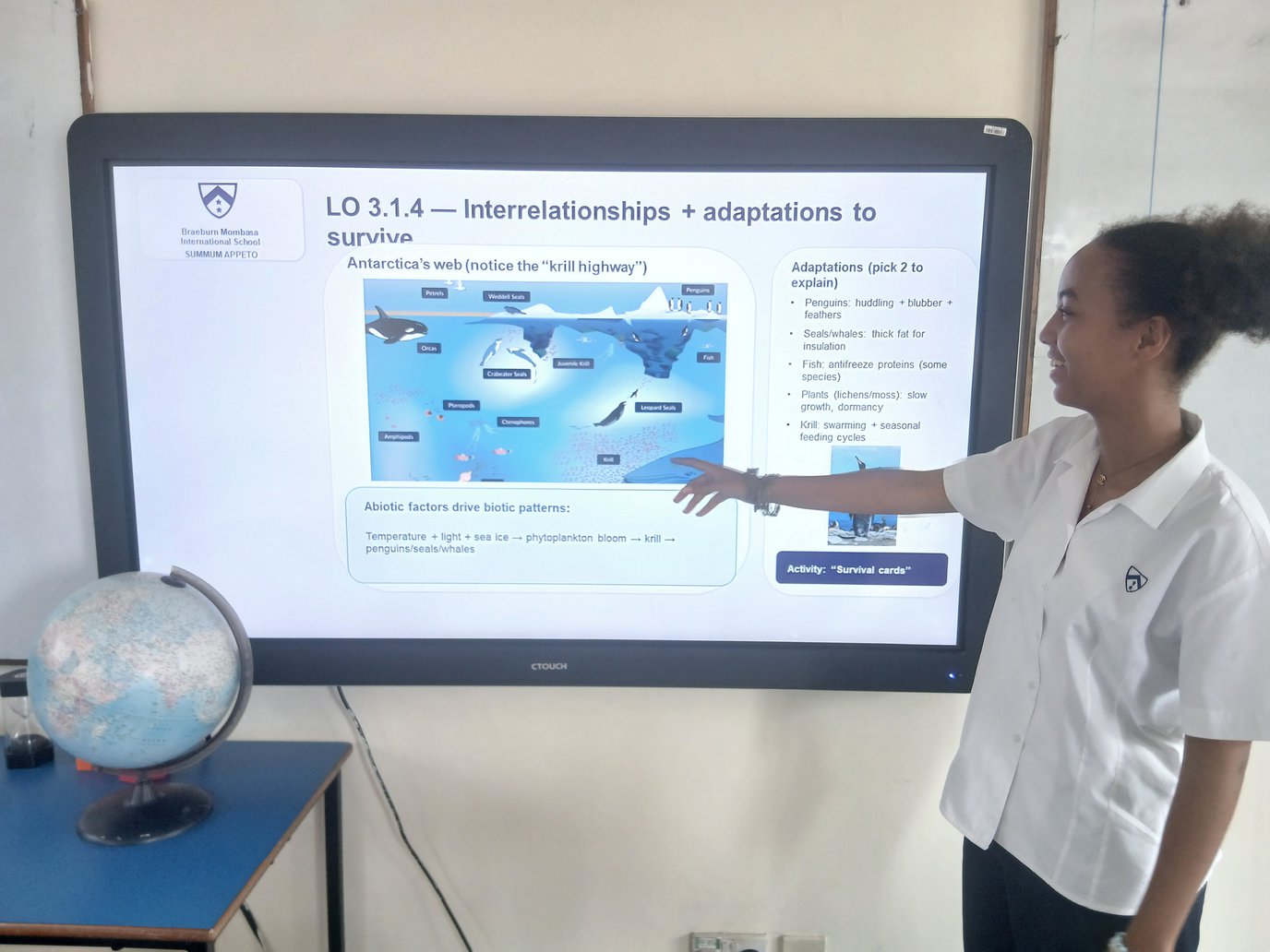
At KS4, students continue to make excellent progress through the IGCSE Geography programme. Year 10 have already covered four of the ten topics and are now studying Changing Ecosystems, with a strong focus on Antarctica and tropical rainforests. Students have engaged confidently with interdependence, adaptations, nutrient cycling, and ecosystem fragility, supported by high-quality presentations that reflect both subject knowledge and growing confidence in communication. The second half of the term will move into climate change, aligning closely with recent Cambridge curriculum updates and offering powerful opportunities to connect case studies to global challenges and solutions.
Year 11s have completed the syllabus and finished mock examinations. Current learning is targeted and purposeful: reviewing mock performance, strengthening examination technique, reinforcing fieldwork and geographical skills, and addressing areas for improvement identified through marking. Revisiting key content such as changing river systems is supporting students to secure accuracy, clarity, and consistency under examination conditions.
History
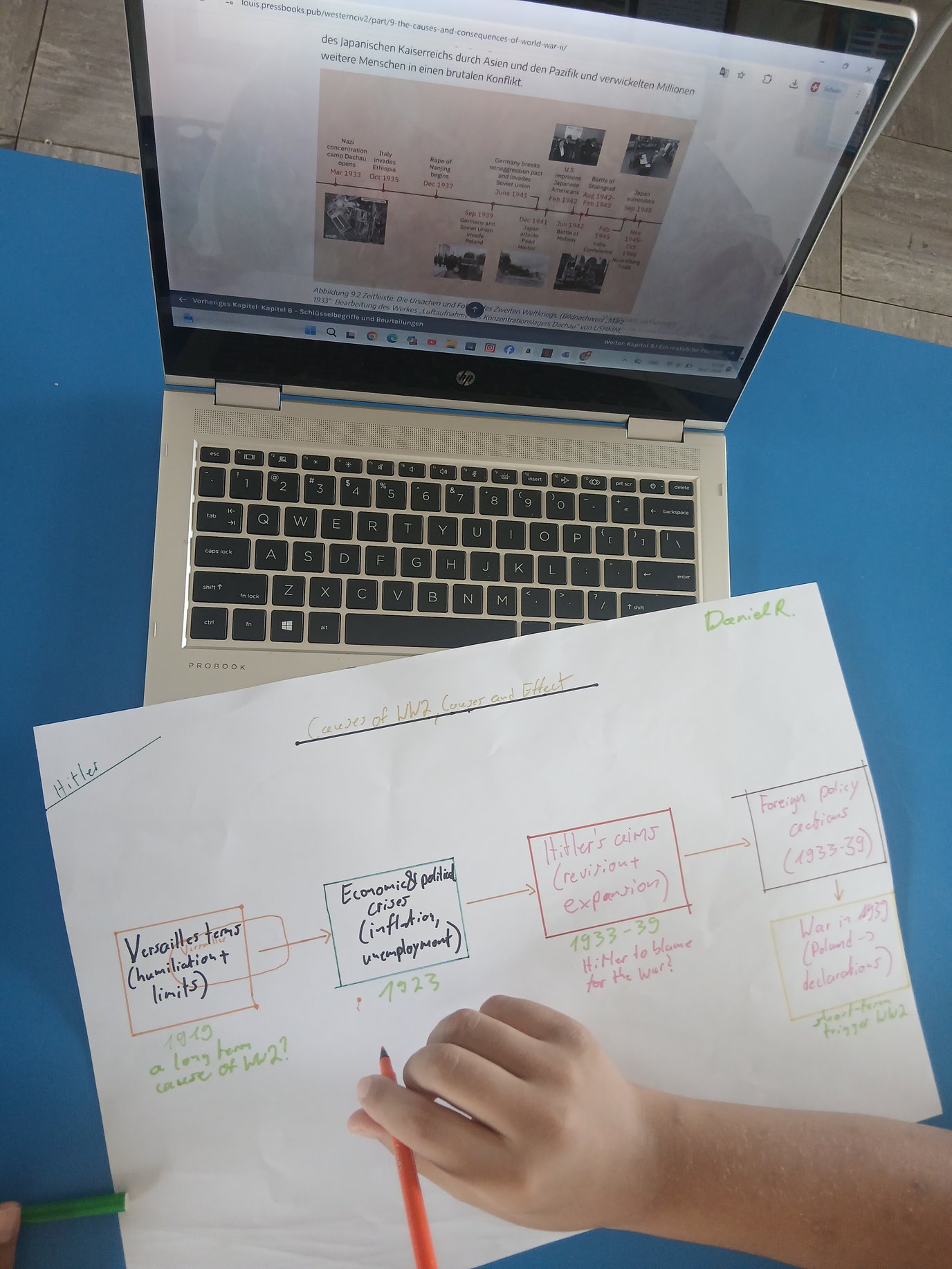
Year 10 History is currently focusing on the causes of World War II and Hitler’s foreign policy, strengthening students’ understanding of the post World War I international
context and the factors that contributed to instability in Europe. Students are being supported to develop examination-ready analysis by using precise evidence, making clear causal links, and explaining how decisions and responses shaped wider outcomes.
Sociology
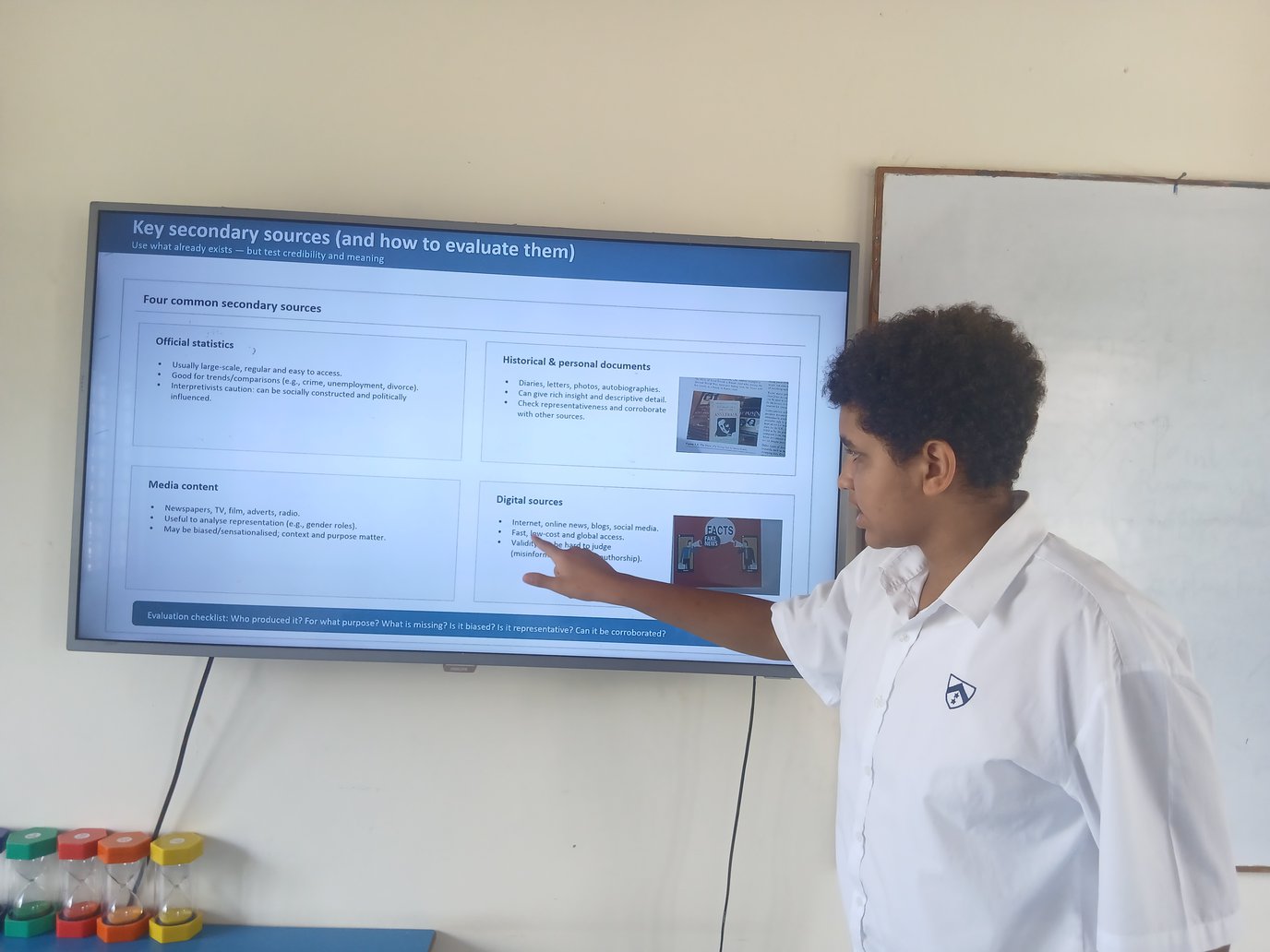
In KS4 Sociology, Year 10s are building a strong foundation in research methods, including the distinctions between primary and secondary data and between quantitative and qualitative approaches. Students are revising key methods such as questionnaires, interviews, observations, and experiments, alongside sampling and essential concepts including reliability, validity, representativeness, and ethics.
Year 11s are concluding their study of education while sustaining structured examination revision. Focus areas include sociological perspectives on the role of education, factors affecting achievement, in-school and out-of-school influences, and the impact of educational policies. Students are encouraged to strengthen their use of sociological terminology, apply ideas effectively to examples, and develop balanced evaluation in extended responses through timed practice and careful attention to examiner expectations.
Key Stage 5
History
At KS5, A-Level History students are working with clear purpose following the completion of mock examinations, with current revision centred on Russia under Stalin. Key areas include Stalin’s consolidation of power, mechanisms of state control, economic transformation through the Five-Year Plans and collectivisation, and the social consequences of rapid change and repression. Students are also revisiting historical debates and interpretations to ensure that written responses sustain argument, demonstrate judgement, and engage directly with the demands of the question.
Conclusion
We remain proud of the progress being made across Humanities, and we are committed to maintaining high expectations alongside strong academic support. We are also grateful for the school’s continued provision of the resources and materials that enable engaging, practical learning experiences and contribute to the smooth running of our programmes. Together, we will continue to build confident, informed learners who can think critically, communicate clearly, and apply their understanding thoughtfully to the world around them.
HUMANITIES DEPARTMENT
Geography | History | Sociology